
Cocaine is hard on the body in many ways. Few of its effects are as easy to see, or as misunderstood, as the damage it does to the nose. Coke nose is the common name for the problems that come from snorting cocaine. These problems range from frequent nosebleeds to, in severe cases, a collapsed nasal structure. The damage is not a myth, because cocaine directly harms the soft tissue inside your nose. The longer the use goes on, the more serious and lasting that damage can become. This article explains how cocaine damages your nose, why it causes nosebleeds, and whether any of it can heal.
If cocaine is running your life, our men’s inpatient rehab in Phoenix can help you find a way out.
What Is Coke Nose?
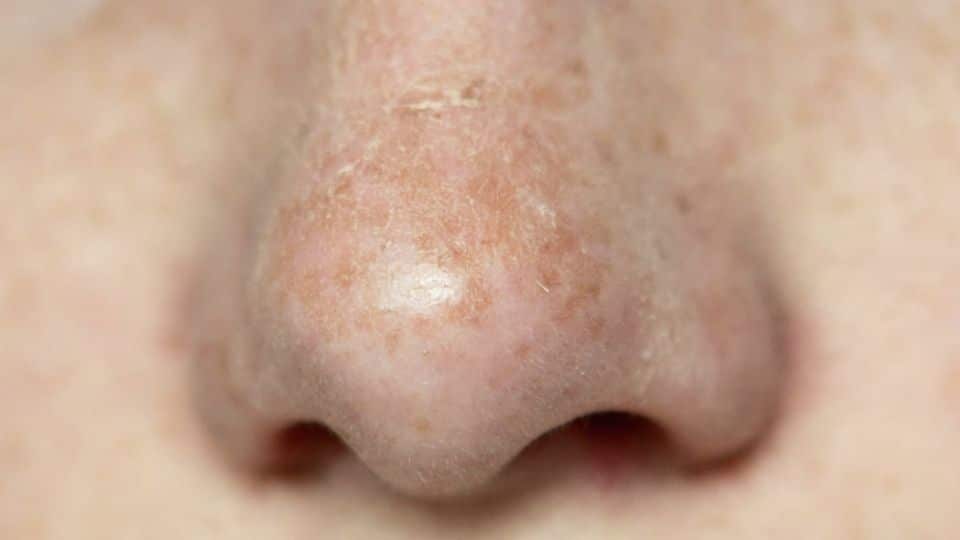
Coke nose is a slang term for the damage caused by snorting cocaine again and again. It covers a wide range of harm. At one end is early irritation of the nose lining, which can often heal. At the other end is severe, permanent loss of cartilage and tissue. That sets it apart from the so-called alcoholic nose, which is not actually caused by alcohol at all, despite its name. Coke nose, on the other hand, is a direct and well-documented result of cocaine use. The damage is real, and it keeps getting worse the longer use goes on.
How Does Cocaine Damage Your Nose?
So what does cocaine do to your nose? The answer comes down to blood flow. Cocaine is a powerful stimulant, and it is also a strong vasoconstrictor. That means it squeezes blood vessels and makes them much narrower. Cocaine is different from drugs whose type people still argue about, such as whether weed is a stimulant or depressant. It is clearly a stimulant, and its effect on blood vessels is exactly what makes it so harmful to the nose.
When you snort cocaine, it tightens the blood vessels that line the inside of your nose. This cuts off blood and oxygen to the tissue around them. The cartilage that gives your nose its shape has no blood supply of its own. Instead, it depends on the thin layer of tissue that covers it. When repeated cocaine use starves that tissue of blood, the cartilage starts to die. Over time, this tissue death, called necrosis, leads to the most serious forms of coke nose damage.
Why Cocaine Causes Nosebleeds
One of the first questions people ask is whether cocaine causes nosebleeds, and the answer is a clear yes. So why does cocaine cause nosebleeds? Several things work together to make them happen. The drug dries out the lining of your nose and makes it sore. The powder and the cutting agents mixed into it also scratch the tissue. On top of that, blood vessels that tighten and widen over and over become weak and break easily. A cocaine nosebleed can be one of the first warning signs of tissue damage, but nosebleeds can have other causes too.
The Stages of Cocaine Nasal Damage
Cocaine nose damage does not happen all at once. It often moves through stages as use goes on, from minor irritation toward severe damage to the structure of the nose. Not everyone follows the same step-by-step path, though. The table below shows how the damage usually progresses.
| Stage | What Happens | Reversibility |
|---|---|---|
| Early | Irritation, dryness, frequent nosebleeds, runny or stuffy nose | Often reversible if use stops |
| Moderate | Loss of smell, chronic congestion, crusting, recurring infections | Partially reversible, some lasting effects |
| Severe | Septal perforation, collapsed nasal bridge, palate damage | Usually permanent without surgery |
Spotting the early signs gives you the best chance of avoiding permanent harm. Common symptoms of coke nose include:
- Frequent nosebleeds, which are often one of the first signs of tissue damage
- A runny or stuffy nose that does not seem to go away
- A weaker sense of smell, or losing it completely, as the tissue breaks down
- Crusting and scabbing inside the nostrils
- Frequent sinus infections and constant irritation
- A whistling sound when you breathe, which can mean there is a hole in the septum (the wall between your nostrils)
What Cocaine Does to Your Nose Over Time
With continued use, the damage can spread past irritation into the parts that give your nose its shape. One of the most serious problems is a septal perforation. This is a hole in the wall of cartilage between your two nostrils. As that cartilage dies and falls in, the bridge of the nose can cave inward. Doctors call this a saddle nose deformity. In the worst cases, the damage reaches the roof of the mouth and opens a hole into the nose. These injuries are devastating and can change a person’s life for good. They show just how serious cocaine use can become.
Severe damage inside the nose can look like other illnesses. These include infections, autoimmune disease, tumors, and other conditions that destroy tissue. For that reason, see an ENT specialist, a doctor for the ear, nose, and throat, if you notice certain signs. These signs include bleeding that keeps coming back, crusting, a septal perforation, or problems with the roof of the mouth.
Does Coke Nose Heal?
This is the question that matters most to people who are worried about the damage they have already done. The answer depends on how far the damage has gone. Above all, it depends on whether the cocaine use stops.
Early damage can often heal. Dryness, irritation, and small nosebleeds often get better once you stop using cocaine and let the tissue heal.
Structural damage usually does not heal on its own. This includes cartilage that has died, a hole in the septum, or a nose bridge that has collapsed. These injuries may need surgery to rebuild the nose, if repair is possible. Surgeons usually will not operate until a person has stopped using and the tissue has settled down.
Stopping cocaine use is the most important part of healing. If use goes on, the damage is much more likely to get worse. Quitting gives your body the best chance to recover what it can, and it stops more damage from happening.
Cocaine and Other Substances
Cocaine is often used with other substances, and that raises the risks to your body and brain. Mixing it with alcohol is both common and very dangerous. That is because the body can form cocaethylene, a toxic compound that puts extra strain on the heart. Heavy drinking does its own serious harm, too, such as the alcohol shakes that come once the body depends on alcohol. In general, mixing substances makes the effects harder to predict and the dangers harder to handle. That is true for cocaine and alcohol, and it is also true for being crossfaded on alcohol and weed. Using more than one substance, called polysubstance use, can be a serious warning sign that it is time to get help.
Getting Help for Cocaine Use
If you are reading this because you are worried about damage to your nose, that worry is worth listening to. Nosebleeds and a nose that stays sore are your body’s way of telling you something is seriously wrong. The good news is that recovery is possible. When you stop using cocaine, you protect both your health and your future. Treatment can help you stop safely, deal with the reasons you use, and rebuild your life. The sooner you reach out, the more damage you can prevent and the more your body can heal.
At Into Action Recovery, our men’s drug rehab program in Phoenix helps men stop using cocaine and other drugs. We help them build a life that does not depend on drugs. Call our team at (623) 745-0719 to talk about your options. Every call is confidential, and there is no obligation.
Coke Nose: Frequently Asked Questions
Does cocaine cause nosebleeds?
Yes. Cocaine dries out the lining of the nose and makes it sore, and the powder and cutting agents scratch the tissue. It also makes blood vessels tighten and widen over and over until they become weak. A cocaine nosebleed can be one of the first warning signs of tissue damage, but nosebleeds can have other causes too.
What does cocaine do to your nose over time?
Cocaine tightens blood vessels and starves the tissue in your nose of oxygen, which causes that tissue to die. Over time, this leads to loss of smell and constant congestion. In severe cases, it can cause a perforated septum, a collapsed nose bridge, or even a hole in the roof of the mouth.
Does coke nose heal if you stop using?
Early damage, like irritation and nosebleeds, often heals once you stop using and the tissue recovers. Damage to the structure of the nose is a different story. A perforated septum or a collapsed bridge usually does not heal on its own. It may need surgery, which is done after the person has stopped using and the tissue has settled down.
This article is for informational purposes only and is not a substitute for professional medical advice, diagnosis, or treatment. If you or someone you know is in crisis, call or text 988, or call 911 in an emergency.