
Alcohol can work against muscle growth and recovery. Heavy and binge drinking can reduce the post-workout protein-building response, disrupt sleep, increase fluid loss, and damage muscle over time. These findings do not mean that alcohol completely stops all muscle growth or that every drinking episode has the same effect.
If you train hard and drink hard, you are working against your own health and fitness. When drinking has started to cost more than your training, information about alcohol rehab for men in Arizona is there when you want it.
Does Alcohol Stop Muscle Growth?
Muscle grows when the body builds new muscle protein faster than it breaks old protein down. Training provides a signal, dietary protein supplies amino acids, and adequate nutrition and rest support muscle repair. Hormones help regulate this process rather than supplying its raw materials.
A 2023 review in Alcohol Research: Current Reviews, NIAAA’s journal, describes how acute and chronic alcohol exposure can reduce muscle protein synthesis and alter protein breakdown [1]. Much of the detailed mechanistic evidence comes from animal and cell studies, so it should not be treated as a precise prediction for every man who drinks.
These changes can push muscle protein balance in the wrong direction. The evidence is strongest for substantial alcohol exposure, while the size of the effect depends on drinking pattern, nutrition, and the exercise studied.
Hormones are part of that balance too. Our post on alcohol and testosterone covers what drinking does to a hormone that plays a central role in male strength.
What the Research Shows
A small 2014 study published in PLoS One tested eight physically active men after resistance exercise and cycling [2]. They consumed 1.5 grams of alcohol per kilogram of body weight over three hours beginning one hour after exercise. The paper’s roughly 12 standard drinks used Australian units, not U.S. drink sizes.
Compared with protein alone, muscle protein synthesis was 24 percent lower with alcohol plus protein and 37 percent lower with alcohol plus carbohydrates. Synthesis still rose above resting levels in every condition. The study measured the response during the first eight hours of recovery, not long-term changes in muscle size.
That was a large binge-level alcohol dose. The findings show that heavy drinking can blunt the early muscle-building response, but the percentages should not be described as the amount of muscle or lifetime gains lost.
Why Protein Does Not Cancel It Out
A post-workout shake did not eliminate alcohol’s effect in that study. Muscle protein synthesis was still about a quarter lower with alcohol plus protein than with protein alone during the measured recovery period.
The study did not establish any supplement that cancels alcohol’s effect, or exactly how long that effect lasts. Our post on drinking alcohol after a workout breaks down what happens to your body in the hours after a session when alcohol enters the picture.
How Alcohol Undercuts Muscle Recovery
Adaptation takes place between workouts as well as during the response to training. Alcohol can interfere with several parts of recovery, including sleep, hydration, and post-workout protein synthesis.
Hormones and Testosterone Levels
The 2023 review describes a lower testosterone-to-cortisol ratio after an exercise-related alcohol binge in one study, but other studies found different hormonal responses [1]. These changes may affect muscle protein balance. A short-term hormone ratio does not by itself prove muscle loss, and the review says definitive studies are still needed.
Sleep
Recovery depends on sleep. NIAAA explains that people may fall asleep faster after drinking, but their sleep is fragmented and they tend to wake up earlier [3].
Broken sleep means less of the steady, uninterrupted rest that recovery depends on. A night of drinking can cost you the next day’s training quality as well, since sleep is essential for recovery and muscle growth.
Hydration
Muscles need water to perform and recover. NIAAA explains that alcohol suppresses vasopressin, a hormone that tells the kidneys to hold onto fluid, so consuming alcohol increases urine production and fluid loss.
That mild dehydration shows up as thirst, fatigue, and headache, and dehydration drags down muscle function and performance. Training in the Arizona heat on top of it adds to the strain on an already depleted body.
Strength and Performance the Next Day
Some studies summarized in the review found reduced lower-body performance in rugby players after heavy drinking and shorter cycling time to exhaustion 18 to 24 hours later. Other strength and power measures were unchanged. Performance effects vary with the drinking dose, exercise, and outcome measured.
Alcohol metabolism also creates acetaldehyde, a toxic byproduct that NIAAA links to inflammation throughout the body. NIAAA also notes that during a hangover, attention, decision-making, and muscle coordination can all be impaired. That is a poor state for heavy lifts, where focus and control keep you safe.
How Long the Effects Can Last
In one small study cited by the review, alcohol consumed after muscle-damaging eccentric exercise was associated with greater strength loss at 36 and 60 hours than exercise alone.
This suggests that impaired recovery can outlast the drinking episode. It does not establish that a heavy night erases several days of muscle growth.
Alcohol’s Impact on Muscle Repair
Intense training causes small amounts of muscle damage, and the body responds with a short burst of inflammation that switches on repair. The review reports that binge drinking around resistance exercise dampens that early inflammatory response in trained men.
Laboratory studies also suggest that alcohol can impair muscle stem-cell development. These findings identify possible repair mechanisms, but do not establish exactly how much recovery is delayed in people.
Heavy Drinking and Muscle Damage
Beyond slower gains, excessive alcohol consumption can damage muscle directly. The NIAAA review describes two forms of alcohol-related muscle disease.
The acute form can involve rhabdomyolysis, the breakdown of damaged muscle tissue, even after a single binge. Severe cases can cause kidney failure. Unexpected severe muscle pain, weakness, or dark urine needs immediate medical attention, not a wait-and-see period without alcohol [4].
The chronic form is associated with years of heavy drinking and causes progressive weakness, especially around the hips and shoulders, along with muscle-fiber changes. The review cites older estimates of alcohol-related myopathy in 40 to 60 percent of people with alcohol misuse [1]. It also stresses the need for updated prevalence studies.
Our chapter on alcoholic myopathy explains the warning signs and what recovery looks like.
Effects of Alcohol on Muscle Mass Over Time
Long-term heavy alcohol consumption has been linked to smaller muscles, weaker grip, and lower muscle function in observational studies. These associations do not isolate alcohol from factors such as nutrition, activity, and other health conditions, but they reinforce concern about chronic heavy drinking.
Chronic alcohol-related muscle damage often becomes apparent in middle age. It may add to age-related muscle loss, although the review notes that evidence on aging remains limited. Protecting muscle health matters throughout adulthood.
Alcohol, Stimulants, and Training
Many pre-workout supplements contain caffeine and other stimulants. Combining caffeine with alcohol does not balance their effects. The CDC warns that caffeine may make a person feel more energized or less affected while alcohol’s effects on the body remain [5].
That makes it harder to judge your own limits. Our chapter on why you should not mix pre-workout and alcohol explains the risks in detail.
What Happens to Your Muscles When You Stop Drinking
The good news is that the body responds when alcohol is gone. The NIAAA review calls abstinence the most effective treatment for alcohol-related muscle damage, and studies show strength improves after quitting.
In one study cited by the review, people with a history of heavy drinking had higher average strength after five years of abstinence, but remained weaker than age-matched controls. Recovery varies with the extent of muscle damage, nutrition, other illnesses, and treatment.
The same review suggests that exercise and adequate nutrition may support muscle recovery, while noting that their effectiveness in alcohol-related myopathy needs more study. Training becomes an asset in recovery, not just a hobby. Our post on the benefits of exercise in men’s addiction recovery covers why physical work matters so much in early sobriety.
Alcohol, Calories, and Body Composition
Alcohol also works against the body composition side of training. Alcohol provides about seven calories per gram, almost as much as fat, but unlike other macronutrients, it offers almost none of the protein, vitamins, or minerals that muscle development requires.
Those calories add up quickly over a night of alcohol consumption, and they often push out the nutrient-rich foods and balanced diet that support muscle growth. For men pursuing weight loss alongside strength, alcohol can make it harder to meet nutrition and calorie goals.
Why This Matters for Your Fitness Goals
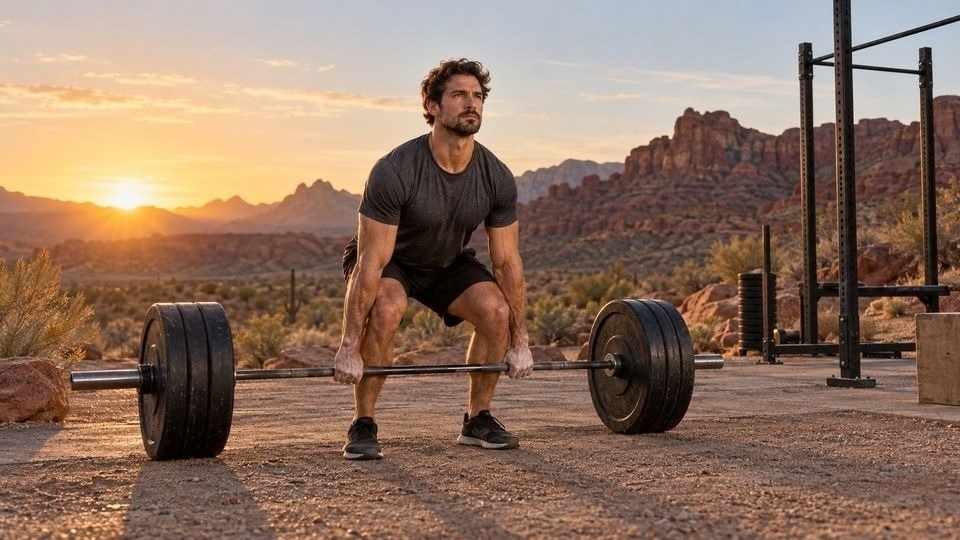
For a lot of men, the gym is where discipline lives, and consistency is crucial for muscle growth. Repeated heavy drinking can interfere with that work by disrupting recovery and training habits.
Strength, endurance, and size come from consistency. Heavy drinking can disrupt that consistency through poor sleep, fluid loss, and reduced protein synthesis, and excessive drinking can damage the muscle itself and your long-term health.
If you have noticed your training slipping or your fitness goals stalling, it is worth looking honestly at the role alcohol plays. Addressing drinking can support recovery and make it easier to maintain the habits that help training pay off.
Frequently Asked Questions About Alcohol and Muscle Growth
Does Alcohol Kill Your Muscle Gains?
Heavy drinking can blunt the early muscle-building response. In a small 2014 study, muscle protein synthesis was 24 percent lower with alcohol plus protein and 37 percent lower with alcohol plus carbohydrates than with protein alone. Those short-term changes do not measure the percentage of long-term gains lost.
How Does Alcohol Affect Muscle Growth?
Heavy drinking can reduce muscle protein synthesis, disrupt sleep, and increase fluid loss. Laboratory evidence also shows changes in protein breakdown. Hormonal effects vary between studies rather than consistently shifting toward muscle loss. Over years of heavy drinking, alcohol can cause muscle disease known as alcoholic myopathy.
Does Alcohol Affect Muscle Recovery?
Heavy drinking can impair parts of muscle recovery, including the protein-building response, sleep, and hydration. Some studies found poorer performance the following day or greater strength loss after muscle-damaging exercise, while other measures were unchanged. The size and duration of the effect vary with the dose and exercise.
Will Quitting Alcohol Help Me Build Muscle?
Stopping heavy drinking can support muscle health. The review describes improved strength with abstinence in people with alcohol-related myopathy, although recovery may be incomplete. Training, nutrition, and sleep remain important, and exercise may need medical guidance when muscle damage is present. Seek medical advice before stopping if you drink heavily.
Getting Help
If alcohol consumption is getting in the way of your training, your health, or your life, help is available. A doctor can check for alcohol-related muscle damage and explain what recovery could look like. Seeking support is a strong first step.
The Substance Abuse and Mental Health Services Administration (SAMHSA) National Helpline at 1-800-662-4357 is free and confidential, and anyone in a mental health or suicide crisis can call or text 988. Into Action provides men’s residential treatment in Phoenix built around structure, accountability, and physical conditioning.
This article is for informational purposes only and is not a substitute for professional medical advice, diagnosis, or treatment. If you drink heavily, talk to a doctor before stopping, because suddenly quitting after heavy drinking can cause dangerous withdrawal. If you are in crisis, call or text 988; in an emergency, call 911.
Sources
- Simon L, Bourgeois BL, Molina PE. Alcohol and Skeletal Muscle in Health and Disease. Alcohol Research: Current Reviews (National Institute on Alcohol Abuse and Alcoholism). 2023;43(1):04. Published November 2, 2023. doi:10.35946/arcr.v43.1.04. https://pubmed.ncbi.nlm.nih.gov/37937295/
- Parr EB, Camera DM, Areta JL, et al. Alcohol Ingestion Impairs Maximal Post-Exercise Rates of Myofibrillar Protein Synthesis following a Single Bout of Concurrent Training. PLoS One. 2014;9(2):e88384. doi:10.1371/journal.pone.0088384. https://journals.plos.org/plosone/article?id=10.1371/journal.pone.0088384
- National Institute on Alcohol Abuse and Alcoholism. Hangovers. Updated December 2025. https://www.niaaa.nih.gov/publications/brochures-and-fact-sheets/hangovers
- Centers for Disease Control and Prevention, NIOSH. Signs and Symptoms of Rhabdomyolysis. https://www.cdc.gov/niosh/rhabdo/signs-symptoms/index.html
- Centers for Disease Control and Prevention. Effects of Mixing Alcohol and Caffeine. https://www.cdc.gov/alcohol/about-alcohol-use/alcohol-caffeine.html