
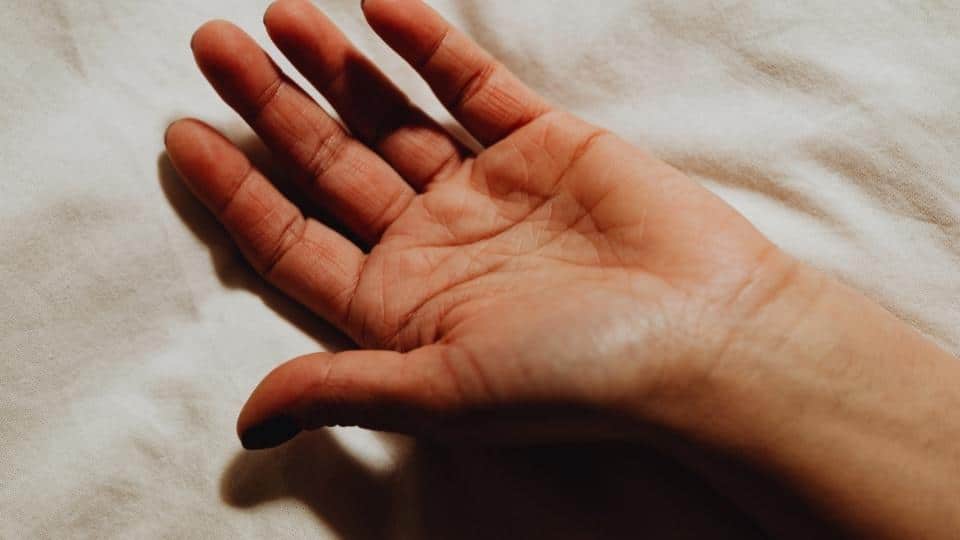
You pour your morning coffee and notice your hand will not hold steady. Or you wake up after a heavy night, and your fingers are trembling before you have even gotten out of bed. If this sounds familiar, you may be experiencing what most people call alcohol shakes, and they are trying to tell you something important. Alcohol shakes are not a random quirk or a sign of weakness. They are often a physical signal from a nervous system that has adapted to heavy alcohol use and is struggling as alcohol levels fall. Understanding why your hands tremble, when the shakes become dangerous, and what actually helps can be the difference between a frightening experience and a safe path forward. At our inpatient rehab in Phoenix, we help men move through alcohol withdrawal safely every day, and we want you to have the same clear, honest information we give them.
This guide explains the biology behind alcohol tremors, walks through the withdrawal timeline, flags the warning signs that require emergency care, and lays out how to get rid of alcohol shakes the safe way. If you are feeling shaky after drinking, read on, because what you do next genuinely matters.
What Are Alcohol Shakes?

Alcohol shakes are involuntary tremors, most often in the hands, that occur when a person who drinks heavily either stops drinking or simply lets too much time pass between drinks. They are one of the earliest and most recognizable symptoms of alcohol withdrawal. For someone whose body has adapted to regular heavy drinking, the shakes can appear within hours of the last drink, which is why so many people first notice them in the morning before they have had anything to drink.
The phenomenon of being shaky after drinking, or more accurately after the alcohol has started to leave your system, has a lot of nicknames. People talk about the morning shakes, the jitters, or having the shakes until they can get a drink. That last detail is the most telling. If a drink consistently steadies your hands and calms the trembling, that relief is not a coincidence. It can be a strong warning sign that your body has become physically dependent on alcohol.
What Alcohol Tremors Feel Like
Alcohol tremors usually present as a fast, fine shaking of the hands, especially noticeable when you hold your arms out in front of you or try to perform a small, precise movement like buttoning a shirt or signing your name. Some people feel an internal trembling or shakiness even when their hands are not visibly moving. The tremor often comes bundled with other unpleasant sensations, including a racing heart, sweating, restlessness, and a deep sense of unease. For many, it feels like their whole nervous system has been switched into overdrive, because in a very real sense, it has.
Why Do Your Hands Tremble? The Science Behind Alcohol Tremors
To understand alcohol shakes, you have to understand what alcohol does to the brain over time. Alcohol is a central nervous system depressant. It slows down brain activity and produces that familiar sense of relaxation and sedation. It does this largely by boosting a calming brain chemical called GABA and by suppressing an excitatory chemical called glutamate. In the short term, this is why a few drinks make you feel loose and calm.
How Chronic Drinking Rewires the Brain
When someone drinks heavily for a long period, the brain tries to restore balance. It adapts to the constant depressant effect of alcohol by dialing down its own calming GABA activity and ramping up excitatory glutamate activity. Essentially, the brain pushes back against the alcohol to keep functioning. As long as alcohol keeps flowing, this creates an uneasy equilibrium. The drinker may feel relatively normal only because the alcohol and the brain’s adaptations are now canceling each other out. This is the same process of escalating tolerance and dependence that explains why alcohol is so addictive for so many people.
Why the Shakes Hit When You Stop
Now remove the alcohol. Suddenly, the brain is left with all of its ramped-up excitatory activity and almost none of the calming counterweight it had been suppressing. The nervous system swings into a state of hyperexcitability, firing far too easily. That overactivity shows up physically as tremor. The same imbalance also drives the anxiety, sweating, rapid heartbeat, and insomnia that often accompany withdrawal. The trembling hands you see after drinking heavily are the visible edge of a brain that has lost its chemical brakes and is racing without them. This is why alcohol tremors are not something to wait out casually, particularly in heavy, long-term drinkers.
When Do Alcohol Shakes Start? The Withdrawal Timeline
Alcohol withdrawal has common timing patterns, but symptoms do not follow a fixed schedule. Early symptoms often begin within 6 to 24 hours of stopping or significantly reducing heavy, regular drinking. Some people experience mild symptoms, while others develop serious complications without passing through every stage below [1].
| Time after stopping or significantly reducing drinking | What may happen |
|---|---|
| About 6 to 24 hours | Hand tremors, anxiety, nausea, sweating, headache, and trouble sleeping may begin. |
| About 12 to 24 hours | Hallucinations may develop and require urgent medical evaluation. |
| About 8 to 48 hours | Withdrawal seizures can occur, sometimes without obvious warning symptoms. |
| About 48 to 96 hours | Delirium tremens may develop, causing severe confusion and other potentially life-threatening symptoms. |
| Over the following days | Uncomplicated withdrawal generally improves, but symptoms and monitoring needs vary. Passing 72 hours does not guarantee that the danger has passed. |
These ranges overlap and are a general guide, not a way to diagnose withdrawal or decide whether it is safe to stay home [1,3]. For more detail on those first critical days, our breakdown of the quitting alcohol timeline for the first weeks covers the full arc of early recovery. The key takeaway is that serious complications can occur early or emerge several days later, so follow a clinician’s advice rather than relying on the clock.
Mild Versus Severe Withdrawal
Alcohol withdrawal can be mild, severe, or complicated, and drinking history alone cannot tell you which course it will take. A shorter history of heavy drinking does not guarantee a safe withdrawal. Previous withdrawal seizures or delirium tremens, repeated withdrawal episodes, and other health problems can increase the risk of complications [1].
Repeated withdrawal can also contribute to a phenomenon called kindling, in which the nervous system becomes more sensitive to withdrawal. This can make later episodes more dangerous, even if drinking has not increased. It does not mean every episode will necessarily be worse, but it is a reason to discuss your full withdrawal history with a healthcare professional.
Are Shaky Hands After Drinking a Sign of a Bigger Problem?
Here is the honest truth: if you regularly get the shakes when you have not had a drink, especially if alcohol relieves them, that strongly suggests physical dependence and should be taken seriously. Needing alcohol to steady your hands or calm your nerves is one of the clearest warning signs that drinking may have moved from a habit into alcohol use disorder. It is not a moral failing, and it does not mean you are beyond help. It simply means your nervous system may now rely on alcohol to function, and that reliance will not resolve on its own.
Alcohol shakes rarely travel alone. They usually arrive alongside a cluster of other withdrawal symptoms, and recognizing the whole picture can help you understand how serious your situation may be. Common accompanying signs include:
- Sweating and clammy skin, often most noticeable in the morning or overnight.
- Nausea or vomiting, sometimes making it hard to keep food or fluids down.
- Anxiety and agitation that feel out of proportion to anything happening in your life.
- A racing or pounding heartbeat, sometimes paired with elevated blood pressure.
- Difficulty sleeping or restless, broken sleep filled with vivid dreams.
- Irritability and difficulty concentrating as the nervous system stays on high alert.
If several of these patterns feel familiar, it is worth taking an honest look at your relationship with alcohol. Our guide on the signs of alcoholism and how to recognize them can help you evaluate where you stand without judgment. Awareness is not the same as condemnation. It is the first practical step toward getting better.
The Dangerous Side: Seizures and Delirium Tremens
Most conversations about alcohol shakes skip the part that matters most, so let us be direct. In people with significant alcohol dependence, withdrawal is not just unpleasant. It can be deadly. The same nervous system hyperexcitability that causes trembling hands can, in more severe cases, trigger withdrawal seizures. These typically occur within the first 48 hours after the last drink and can happen even in people who have never had a seizure before. If you want to understand this risk in depth, our article on whether alcohol can cause seizures explains how and why it happens.
The most severe form of alcohol withdrawal is delirium tremens, often shortened to DTs. This is a medical emergency that usually appears 48 to 72 hours after the last drink and involves severe confusion, intense agitation, fever, a racing heart, and frightening hallucinations. Hallucinations can sometimes appear earlier in withdrawal as well, even without delirium, and they still require medical evaluation. Without prompt medical treatment, delirium tremens can be fatal. Our detailed overview of delirium tremens causes, symptoms, and emergency treatment is essential reading for anyone with a long history of heavy drinking.
Because of these risks, certain symptoms should be treated as a 911-level emergency. Seek immediate medical help if you or someone you are with experiences any of the following during alcohol withdrawal:
- A seizure of any kind, whether or not the person has had one before.
- Severe confusion or disorientation, such as not knowing where they are or who is around them.
- Hallucinations, seeing, hearing, or feeling things that are not there.
- A high fever, especially when combined with heavy sweating and a rapid pulse.
- Severe agitation or aggression that seems impossible to calm.
- Chest pain, trouble breathing, or fainting can signal a dangerous strain on the heart.
If you recognize these signs, do not wait to see whether they pass. Severe alcohol withdrawal moves quickly, and early medical intervention saves lives.
How to Get Rid of Alcohol Shakes Safely
When people search for how to get rid of alcohol shakes, they are usually hoping for a quick home remedy. The honest answer is more nuanced, and it puts your safety first. Alcohol shakes are a symptom of withdrawal, which means they resolve as withdrawal is safely treated and the nervous system rebalances. The critical question is whether you do that safely under medical supervision or dangerously on your own.
Why Medical Detox Matters
For anyone with significant alcohol dependence, the single most important piece of advice is this: do not attempt to quit cold turkey on your own. Because severe withdrawal can lead to seizures and delirium tremens, stopping abruptly without medical support can be genuinely dangerous. A medically supervised detox program keeps you safe by monitoring your symptoms around the clock and using appropriate medications to calm the overexcited nervous system, ease the shakes, and prevent complications before they start. Medical professionals can also replenish the nutrients that heavy drinking depletes, including thiamine, which is critical for protecting brain function during withdrawal.
Detox done correctly does more than keep you safe. It makes the entire experience far more bearable, which removes one of the biggest reasons people relapse before they ever reach lasting recovery. The fear of withdrawal keeps countless people trapped in drinking. Professional detox takes that fear off the table.
Supportive Steps That Help
While medical care is the foundation, several supportive measures can ease discomfort and aid your recovery, especially for milder cases and in the days following detox. These should complement professional treatment, never replace it:
- Stay hydrated. Withdrawal and sweating deplete fluids and electrolytes, so water and electrolyte drinks help your body recover.
- Eat nourishing food. Heavy drinking robs the body of vitamins and minerals, and steady, balanced meals support healing.
- Rest as much as possible. Sleep is disrupted during withdrawal, but quiet rest gives your nervous system room to settle.
- Avoid caffeine and stimulants. These can worsen the jittery, overstimulated feeling that already comes with the shakes.
- Keep your environment calm. Low light, quiet, and a stress-free space reduce the sensory load on an overexcited brain.
- Do not use other substances to cope. Trading alcohol for benzodiazepines or other depressants on your own can create new dangers.
These steps matter, but they are supports, not cures. They may help with comfort in mild withdrawal or after medical evaluation, but they do not prevent seizures or DTs in higher-risk withdrawal. If your shakes are severe, recurring, or paired with any of the emergency signs above, professional medical care is not optional. It is the safest and fastest route through.
Recovery Beyond the Shakes
Getting through the acute shakes is a victory, but it is the beginning of recovery rather than the end. The brain that adapted to years of alcohol does not reset overnight. Healing the nervous system, restoring healthy sleep, and rebuilding emotional balance take time, and some people experience lingering symptoms for weeks or months. Understanding the brain recovery from alcohol timeline can help set realistic expectations, so you do not get discouraged when you are not back to full strength in a week.
For some people, certain symptoms such as anxiety, mood swings, sleep problems, and intermittent cravings persist well past the initial detox period. This is often described as post-acute withdrawal, and learning how to navigate it is a key part of staying sober. Our piece on why post-acute withdrawal in alcohol recovery requires extra care explains how to weather this longer stretch without losing momentum.
What Comes After Detox
Detox addresses the physical dependence, but it does not address the reasons a person started drinking heavily in the first place, nor the habits and triggers that keep the cycle going. That is the work of treatment. A comprehensive program combines therapy, peer support, relapse prevention skills, and care for any underlying mental health conditions. For a full picture of what lasting recovery involves, our complete guide to alcohol addiction walks through every stage of the journey.
For men with significant dependence, repeated relapse, unsafe home environments, or high withdrawal risk, a structured residential program offers a powerful reset. Removing yourself from the environment and routines tied to drinking, while surrounded by professional support and others who understand the struggle, gives the brain and body the space they need to heal. If alcohol shakes have become part of your daily life, that is not something to manage alone. It is a clear sign that your body needs help, and help is available.
Alcohol Shakes: Frequently Asked Questions
How long do alcohol shakes last?
Withdrawal-related shakes often begin within hours of stopping or significantly reducing drinking. Symptoms commonly peak during the first one to three days and then improve over the following days, but timing varies [1,3]. Persistent or worsening tremors need medical evaluation rather than an assumption that they are normal recovery.
Why do my hands shake in the morning after drinking?
In someone with physical dependence, falling alcohol levels overnight can trigger withdrawal tremors. Alcohol does not have to leave the bloodstream completely for this to happen [1]. Morning trembling can also have other causes. If a drink repeatedly relieves it, seek medical assessment rather than using alcohol to manage the symptoms.
Can I stop alcohol shakes at home?
Some people with mild withdrawal and low complication risk can receive medically supervised outpatient care. That decision should follow a clinical assessment. Rest, hydration, and food may help with comfort, but they do not prevent seizures or delirium tremens. Do not attempt an unsupported detox if you have withdrawal symptoms. Seizures, confusion, hallucinations, or other emergency symptoms require immediate medical care [1,3].