You have probably seen it: a red, swollen, bumpy nose, and maybe you have heard someone call it a sign of heavy drinking. The term alcoholic nose has stuck around for generations, carrying with it the assumption that anyone with this distinctive appearance must be a heavy drinker. But here is the surprising truth: alcohol is not considered the direct cause. The condition behind the alcoholic nose is a skin disorder called rhinophyma, and the myth linking it to drinking has caused a great deal of unfair stigma. In this article, we will separate fact from fiction, explain what really causes a drinker’s nose, and walk through the treatment options that genuinely help. If your relationship with alcohol is part of your worry, our inpatient rehab in Phoenix is always here to help.
What Is Alcoholic Nose?

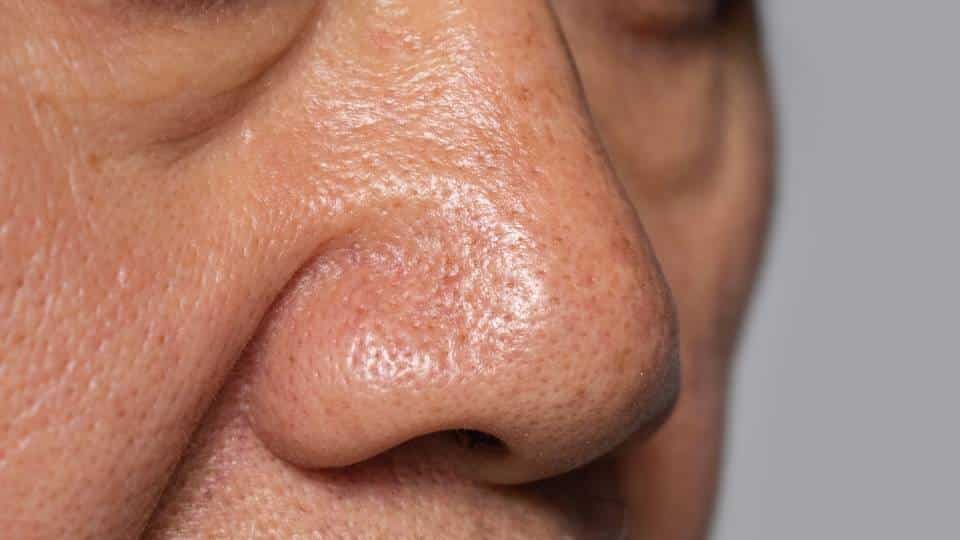
Alcoholic nose is a nickname for rhinophyma, a condition that causes the nose to become enlarged, red, bumpy, and bulbous over time. The skin thickens, the pores enlarge, and the nose can take on a swollen, irregular shape, sometimes with a waxy or oily appearance. The redness many people associate with the condition, the classic alcohol nose red look, comes from enlarged blood vessels near the surface of the skin. Over the years, it has picked up nicknames like drinker’s nose, whiskey nose, and gin blossom, all of which misleadingly imply that alcohol is always the cause.
Does Alcohol Really Cause Alcoholic Nose?
This is the heart of the matter, and the answer is no. Despite the name, alcohol does not directly cause rhinophyma in the way the nickname suggests. The condition is actually an advanced form of rosacea, a common chronic skin disorder that causes facial redness and inflammation. When rosacea goes untreated over many years, it can progress in some people to rhinophyma, where the tissue of the nose thickens and enlarges. Many people who develop an alcoholic nose have never been heavy drinkers, and the vast majority of heavy drinkers never develop it at all.
The alcohol myth is not the only substance-related misconception about the nose. Cocaine use, for example, causes its own very real and distinct damage, often referred to as coke nose, which is a completely different condition with different causes. Misunderstandings about how substances affect the body are widespread, in the same way people often misunderstand basic facts like whether weed is a stimulant or a depressant. Getting accurate information matters, both for your health and for treating people fairly.
What Actually Causes Rhinophyma?

Since alcohol is not the direct culprit, what is? Rhinophyma stems from underlying rosacea, and several factors influence who develops it and how severely. The condition is more common in men, especially middle-aged and older adults, and in people with fair skin. Genetics and family history may also play a role, as rosacea can run in families.
While these underlying causes are not within your control, certain triggers can worsen rosacea and may aggravate its progression. Common rosacea triggers include:
- Sun exposure, one of the most common aggravating factors.
- Hot or spicy foods and hot beverages, which can prompt flushing.
- Extreme temperatures, both hot and cold weather.
- Emotional stress, a frequent trigger for flare-ups.
- Alcohol, especially red wine, which can dilate blood vessels and cause flushing.
That last point is where the myth likely originated. Because alcohol can cause temporary facial flushing and may aggravate existing rosacea, people historically assumed it was the cause rather than simply one of many possible triggers.
Symptoms of Alcoholic Nose
Rhinophyma develops gradually, often over many years, and its symptoms become more pronounced over time. Key signs include:
- A red or flushed appearance on and around the nose.
- Thickened, bumpy skin with an irregular, uneven surface.
- A swollen, bulbous shape as the tissue enlarges.
- Enlarged pores and a waxy or oily texture.
- Visible blood vessels beneath the surface of the skin.
- Breathing difficulty may occur in severe cases if the enlargement blocks the airway.
The Real Connection Between Alcohol and Your Nose
To be clear, alcohol should not be assumed to be the cause of rhinophyma. But that does not mean heavy drinking is harmless. Alcohol may worsen rosacea flushing in people who already have the condition, and far more importantly, heavy drinking causes a wide range of genuine harm throughout the body, from liver damage to the alcohol shakes that signal physical dependence during withdrawal. So while you should not assume someone with a red, bulbous nose is an alcoholic, you also should not dismiss real concerns about drinking. The two issues are simply separate, and conflating them does a disservice to both.
Alcoholic Nose Before and After: Treatment Options
The good news is that rhinophyma is treatable, and the results can be dramatic. When people search for an alcoholic nose before and after, they are usually looking at the striking improvements that treatment can deliver. The right approach depends on how advanced the condition is, as the table below shows.
| Stage | Treatment Approach |
|---|---|
| Early rosacea | Topical and oral medications to reduce redness and inflammation, plus trigger management |
| Moderate rhinophyma | Prescription treatment for rosacea symptoms, plus laser or procedural treatments for visible vessels or tissue changes |
| Advanced rhinophyma | Surgical procedures, laser resurfacing, or dermabrasion to remove excess tissue and reshape the nose |
For advanced cases where the tissue has significantly thickened, surgical and laser treatments are usually the most effective options. These procedures remove the excess tissue, restore a more natural shape, and can produce remarkable before-and-after results. A dermatologist can recommend the best path based on the severity of the condition.
Does Alcohol Nose Go Away?
Many people wonder whether the condition will resolve on its own, especially if they cut back on drinking. The honest answer is that rhinophyma does not go away by itself, and since alcohol is not the direct cause, quitting drinking alone will not reverse it. Avoiding alcohol may reduce flushing if alcohol is one of your rosacea triggers, but without treatment, the condition tends to slowly progress. The encouraging news is that medical and surgical treatments can dramatically improve and even largely correct the appearance, so there is real reason for hope.
When Drinking Is the Real Concern
If reading about an alcoholic nose has you thinking less about your skin and more about your drinking, that is worth paying attention to. Concerns about alcohol use are valid in their own right, regardless of whether they show up on your face. Alcohol is also frequently combined with other substances, which carries its own risks, including the disorienting state people describe when they ask what crossfaded means. If you find yourself worried about how much you drink, or about mixing alcohol with other substances, that worry is a signal worth honoring. Reaching out for support is never an overreaction.
Recovery is possible, and help is available whenever you are ready. Treatment can address not just the drinking itself but the reasons behind it, giving you a real path forward.
Alcoholic Nose: Frequently Asked Questions
Does drinking alcohol cause an alcoholic nose?
No. Despite the name, alcohol does not directly cause an alcoholic nose in the way the nickname suggests. The condition is rhinophyma, an advanced form of the skin disorder rosacea. Alcohol may worsen rosacea flushing in some people, but many people with the condition never drank heavily, and most heavy drinkers never develop it.
Does alcohol nose go away on its own?
Rhinophyma does not go away by itself and tends to progress slowly without treatment. Because alcohol is not the direct cause, quitting drinking will not reverse it, though avoiding alcohol may reduce flushing if alcohol is one of your rosacea triggers. However, medical treatments and surgical procedures can dramatically improve the appearance, often producing striking before-and-after results.
How is alcoholic nose treated?
Treatment depends on severity. Early rosacea responds to topical and oral medications, while advanced rhinophyma usually requires surgical or laser procedures to remove thickened tissue and reshape the nose. A dermatologist can recommend the most effective approach for your specific case and stage.