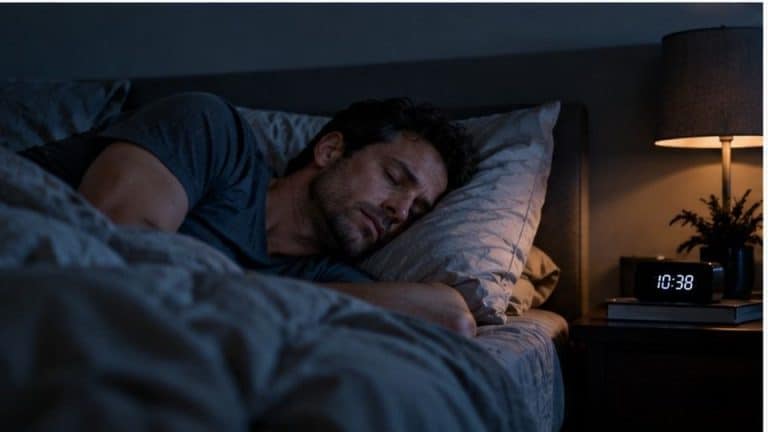

Alcohol and anxiety feed each other. A drink or two can quiet anxious feelings within minutes, but as the effects wear off, anxiety often comes back stronger and can linger into the next day. Over months of heavy drinking, that rebound can raise a man’s baseline anxiety until he is drinking just to feel normal. Breaking the pattern usually means looking at the drinking and the anxiety together, which is the work anxiety treatment for men is built around.
How Alcohol Affects the Anxiety System
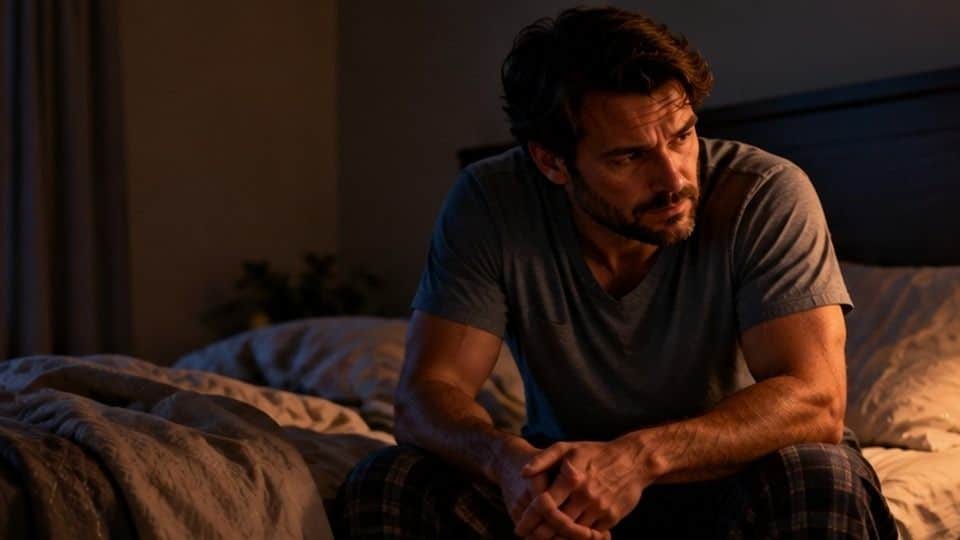
Alcohol is a central nervous system depressant. It slows the brain down, which is why the first drink can feel like a release valve for a tight chest or a racing mind. The trouble is how the brain responds.
GABA, Glutamate and the First Drink
Two neurotransmitter systems that matter in alcohol’s effects are GABA, the brain’s major inhibitory messenger, and glutamate, its major excitatory messenger. Alcohol affects both systems along with several others. Its effects on inhibitory signaling help explain why drinking can produce sedation or temporary relaxation [1].
That temporary relief helps explain why some men begin using alcohol to cope with anxiety, even though alcohol does not treat the underlying anxiety disorder. Benzodiazepines such as Xanax also suppress nervous-system activity, and combining sedating medications with alcohol creates additional risks. Our post on whether Xanax can make you angry covers another issue families sometimes notice with that medication.
How the Brain Adjusts to Regular Drinking
The brain does not like being pushed out of balance. With chronic alcohol use, it adapts by turning glutamate up to offset the extra GABA activity, while its own natural GABA activity drops [1]. Doctors call this neuroadaptation, and it is part of how tolerance builds: the same number of drinks produces less calm.
The catch is what happens when alcohol leaves the body. The brain is still set for a sedative that is no longer there, so the excitatory side runs unopposed. That shift in brain chemistry is the engine behind the rebound.
The Rebound: Why Relief Lasts an Hour and Anxiety Lasts a Day
The temporary relaxation from drinking can fade as alcohol’s effects wear off. NIAAA describes a “mini-withdrawal” effect in which the brain adjusts to alcohol while a person is drinking, and the person can feel more restless or anxious once the buzz is gone [2]. How long that lasts varies from person to person and with how much alcohol was consumed.
Anxiety After Drinking
The National Institute on Alcohol Abuse and Alcoholism (NIAAA) describes it this way: while drinking, people may feel calmer and more relaxed, but the brain quickly adjusts, and when the buzz wears off, they can feel more restless and anxious than before they drank [2]. NIAAA lists anxiety and irritability among common symptoms of a hangover, notes that symptoms peak as blood alcohol returns to about zero, and says they can last 24 hours or longer.
Sleep makes it worse. Men may fall asleep faster after drinking, but the sleep is fragmented, and they tend to wake early. Physical symptoms such as a racing heart, sweating, and shakiness can feel like the start of a panic attack.
Alcohol Withdrawal Anxiety
For a man who drinks heavily every day, the rebound turns into alcohol withdrawal. Withdrawal symptoms can start within hours of the last drink and peak around 72 hours, often beginning with mild anxiety, headache, stomach upset, and insomnia [1]. As the brain’s excess glutamate runs without alcohol’s GABA input, tremor, agitation, sweating, high blood pressure, and a fast heart rate can follow. Alcohol withdrawal can bring intense anxiety, and severe withdrawal can cause seizures, typically between 8 and 48 hours after stopping. That is why men who drink heavily should not stop drinking cold turkey without medical advice.
How Heavy Drinking Raises Baseline Anxiety Levels
Even among people without an anxiety disorder, NIAAA reports that anxiety-like symptoms can follow a single heavy drinking episode, can increase between drinking episodes, and can reach high levels during withdrawal [3]. Over time, heavy drinking and repeated withdrawal can escalate both the anxiety and the drinking. The man who started drinking to take the edge off ends up with a sharper edge, and reaches for another drink to dull it. That is the vicious cycle.
Stopping helps, but the brain takes time to settle. Some men find the irritability and restlessness hang around in early sobriety, which is part of what people mean by a dry drunk when the drinking stops but the habits of mind stay.
Hangxiety and the Morning After
Hangxiety is the worry, guilt, and jumpiness that show up the day after drinking, as alcohol clears the body and the rebound peaks. It can start within a few hours of the last drink and run through the next day. Men describe replaying conversations, checking their phone for messages they do not remember sending, and a sense of doom they cannot explain.
Hangxiety is common after heavy nights, but if it happens most weekends, it is worth asking how much alcohol he is really drinking and whether his alcohol consumption has crept up. The chapter on hangxiety covers why it happens, how long it lasts, and what it can signal about a man’s drinking habits.
Antidepressants, Anxiety Medications and Alcohol
Many men who drink to manage anxiety are also taking a prescription for it. NIAAA notes that alcohol can increase the drowsiness and dizziness caused by antidepressants, may reduce how well they work, and makes people less likely to keep taking them [4]. With benzodiazepines such as Xanax or Klonopin, the effects on the central nervous system add up and may multiply, which raises the risk of injury, memory problems, and death. Three antidepressants come up often.
Lexapro and Alcohol
Lexapro (escitalopram) is an SSRI used to treat depression and generalized anxiety disorder. Alcohol does not interact with every antidepressant in exactly the same way, but NIAAA notes that drinking can increase antidepressant-related drowsiness or dizziness and may reduce treatment response or medication adherence [4].
A man taking Lexapro should discuss his drinking with the clinician who prescribed it rather than assuming that a particular amount is safe for him. Our chapter on Lexapro and alcohol covers that medication in more detail.
Zoloft and Alcohol
Zoloft (sertraline) is another SSRI, approved for depression and several anxiety disorders, including panic disorder, PTSD, and social anxiety disorder. Drinking on Zoloft can add to its drowsiness and blunt its effect on mood over time. Alcohol is not on the Zoloft label’s list of serotonin syndrome interactions; the more realistic risks are sedation, poor judgment, and depression that stays stuck. For the full picture, see Zoloft and Alcohol: What Actually Happens If I Drink?
Wellbutrin and Alcohol
Wellbutrin (bupropion) works differently from SSRIs. Its label approves it for major depressive disorder and for preventing seasonal affective disorder, and it carries a specific risk with alcohol: seizures. NIAAA notes that bupropion may lower the seizure threshold and that alcohol may raise seizure risk further. The current Wellbutrin XL prescribing label lists seizure disorder and abrupt discontinuation of alcohol as reasons not to take the drug, and it says alcohol should be minimized or avoided during treatment. That matters for heavy drinkers who stop suddenly while taking it. Our chapter on why Wellbutrin is riskier with alcohol than other antidepressants walks through the seizure risk and what to tell a doctor.
When Anxiety Looks Like Anger: Depression in Men
Anxiety and depression often travel together, and in men both can hide behind irritability. The National Institute of Mental Health (NIMH) lists anger, irritability, or aggressiveness, misuse of alcohol or drugs, and engaging in high-risk activities among the signs of mental health conditions that can show up in men, and it notes that men are less likely than women to have received mental health treatment in the past year [5]. A man who snaps at his kids, works until he drops, and drinks every night may not recognize any of that as depression.
Alcohol makes the picture murkier. NIAAA reports that among people with major depressive disorder, 27 to 40 percent will have alcohol use disorder at some point in their lives. The chapter on signs of depression in men covers the less obvious ones, such as numbness and a short fuse. If a man is talking about suicide or not wanting to be here, call or text 988 for the 988 Suicide and Crisis Lifeline, or call 911 if he is in immediate danger.
When Anxiety Is the Cause Rather Than the Effect
The link also runs the other way, and for many men it runs both ways at once.
Anxiety Disorders That Came First
Anxiety disorders are the most common psychiatric disorders in the United States, and NIAAA reports that 20 to 40 percent of people treated for anxiety disorders also have alcohol use disorder. NIAAA names generalized anxiety disorder, panic disorder, and social anxiety disorder. Some men experience anxiety long before they ever pick up a drink and find that alcohol is the first thing that makes it go quiet.
Sorting out which came first matters for treatment. NIAAA recommends building a timeline of when symptoms started and how they looked during long stretches without alcohol. The overlap between drinking and mental health conditions is the subject of our guide to co-occurring disorders, which covers how clinicians tell them apart.
Social Anxiety and Alcohol
Social anxiety disorder is marked by intense fear of being judged or embarrassed in front of others. The Anxiety and Depression Association of America (ADAA) estimates that about 15 million U.S. adults have it in a given year, and that about 20 percent of people with social anxiety disorder also have alcohol abuse or dependence [6]. For these men, a drink before a work event, a date, or public speaking can feel like the only way through.
ADAA notes that alcohol can temporarily ease social anxiety but can increase anxiety, irritability, or depression a few hours later or the next day. It can also delay the treatment that would actually help.
Drinking to Cope With Anxiety
Using alcohol to self-medicate is a common way anxiety and drinking lock together. It works fast, which is why it sticks. Over time, it can crowd out other ways of handling stress, so every hard moment becomes a reason to drink, and the negative consequences at home and at work feed worsening anxiety. For a man who is prone to anxiety, relying on alcohol to cope can lead to alcohol use disorder, the condition once called alcoholism, and puts him at higher risk the longer it goes on.
What a Wife or Parent Might Notice
Family members often see the pattern before the man does. Watch for drinking that has shifted from social to solitary, a man who is tense or short-tempered the mornings after, and nerves that settle only once the first drink is poured. Other signs include skipping events unless alcohol will be there, broken sleep, work that has started to suffer, and daily life organized around when he can drink.
Many men will not say they are anxious. They may call it stress, being tired, or nothing at all, and some of the reasons for that silence are covered in our post on why men hide their feelings. A calm conversation about specific things you have seen tends to go further than a label. Offer support, keep the focus on what you have noticed, and leave the diagnosis to a professional.
Breathing Exercises and Other Ways to Break the Cycle

Anxiety symptoms that are tied to drinking often ease once the drinking stops. NIAAA notes that quitting drinking on its own often leads to clinical improvement in co-occurring mental health disorders. A few practical tips can help while that happens:
- Try slow, deep breathing or other breathing exercises when feelings of anxiety spike, and bring your attention to the present moment.
- Get regular physical exercise, eat real meals, stay hydrated, and protect your rest.
- Notice the situations that make you want a drink, and plan another way to handle them.
- Talk to a doctor before you stop drinking if you have been drinking heavily, because withdrawal can be dangerous.
Some men need more than tools. Cognitive behavioral therapy helps men recognize triggers and build coping skills, and NIAAA lists it among treatments for anxiety alongside alcohol use disorder. NIAAA also notes that integrated treatment of both conditions tends to produce better results. Professional help is the right step when anxiety and drinking keep making each other’s symptoms worse.
Alcohol and Anxiety Frequently Asked Questions
Does Alcohol Cause Anxiety?
Alcohol can cause anxiety, especially after heavy drinking. NIAAA reports that anxiety-like symptoms can follow even a single heavy drinking episode in people without an anxiety disorder, and they can build between drinking episodes and during withdrawal. For men who already have an anxiety disorder, drinking tends to make the symptoms worse over time rather than better.
How Long Does Anxiety After Drinking Last?
Anxiety after drinking often starts as blood alcohol falls and peaks around the time it reaches zero. NIAAA says hangover symptoms, including anxiety, can last 24 hours or longer. For men who drink heavily every day, withdrawal anxiety can run for several days and needs medical attention, since severe alcohol withdrawal can bring seizures.
Will Quitting Alcohol Reduce Anxiety?
For many men, yes. NIAAA notes that quitting drinking often leads to clinical improvement in co-occurring mental health conditions. Anxiety caused by alcohol tends to ease with sustained sobriety, although the first weeks can feel rough. Anxiety that was there before the drinking usually needs its own treatment, such as therapy and sometimes medication.
Why Does Alcohol Help My Anxiety at First?
Alcohol can temporarily make some people feel calmer because it changes activity in brain systems involved in inhibition, reward, and stress. GABA and glutamate are two of the neurotransmitter systems involved [1]. The brain begins adapting to alcohol’s effects, however, and NIAAA notes that people can feel more restless and anxious than before once the buzz wears off [2]. With repeated heavy drinking and withdrawal, that cycle can become progressively harder to break [3].
Anxiety and drinking that have been tangled together for a long time are hard to pull apart alone. Into Action Arizona offers alcohol rehab that treats anxiety alongside the drinking, with the structure, accountability, and brotherhood that help men do the work and stay with it.
This article is for informational purposes only and is not a substitute for professional medical advice, diagnosis, or treatment.
Sources
- Canver BR, Newman RK, Gomez AE. Alcohol Withdrawal Syndrome. StatPearls, NCBI Bookshelf, U.S. National Library of Medicine. Last updated February 14, 2024. https://www.ncbi.nlm.nih.gov/books/NBK441882/
- National Institute on Alcohol Abuse and Alcoholism. Hangovers. Updated December 2025. https://www.niaaa.nih.gov/publications/brochures-and-fact-sheets/hangovers
- National Institute on Alcohol Abuse and Alcoholism. Mental Health Issues: Alcohol Use Disorder and Common Co-occurring Conditions. Core Resource on Alcohol. Last revised May 8, 2025. https://www.niaaa.nih.gov/health-professionals-communities/core-resource-on-alcohol/mental-health-issues-alcohol-use-disorder-and-common-co-occurring-conditions
- National Institute on Alcohol Abuse and Alcoholism. Alcohol-Medication Interactions: Potentially Dangerous Mixes. Core Resource on Alcohol. Last revised May 8, 2025. https://www.niaaa.nih.gov/health-professionals-communities/core-resource-on-alcohol/alcohol-medication-interactions-potentially-dangerous-mixes
- National Institute of Mental Health. Men and Mental Health. Last reviewed May 2024. https://www.nimh.nih.gov/health/topics/men-and-mental-health
- Anxiety and Depression Association of America. Social Anxiety Disorder and Alcohol Abuse. Updated March 5, 2024. https://adaa.org/understanding-anxiety/social-anxiety-disorder/social-anxiety-and-alcohol-abuse