Methamphetamine Addiction Treatment in Phoenix, Arizona
Residential meth addiction treatment in Phoenix for men ready to rebuild without compromise.
Meth use disorder goes beyond physical dependence. The drug rewires how the brain processes reward, motivation, and emotional regulation. Even after use stops, those effects linger, making the early stages of recovery especially hard to navigate without professional support.
Into Action Recovery addresses this with a residential program that combines evidence-based clinical care with a strong accountability framework. Men work through the thought patterns and behaviors that sustained their use in an environment built specifically for focus and follow-through. Recovery from meth takes time, and this program is designed for exactly that.

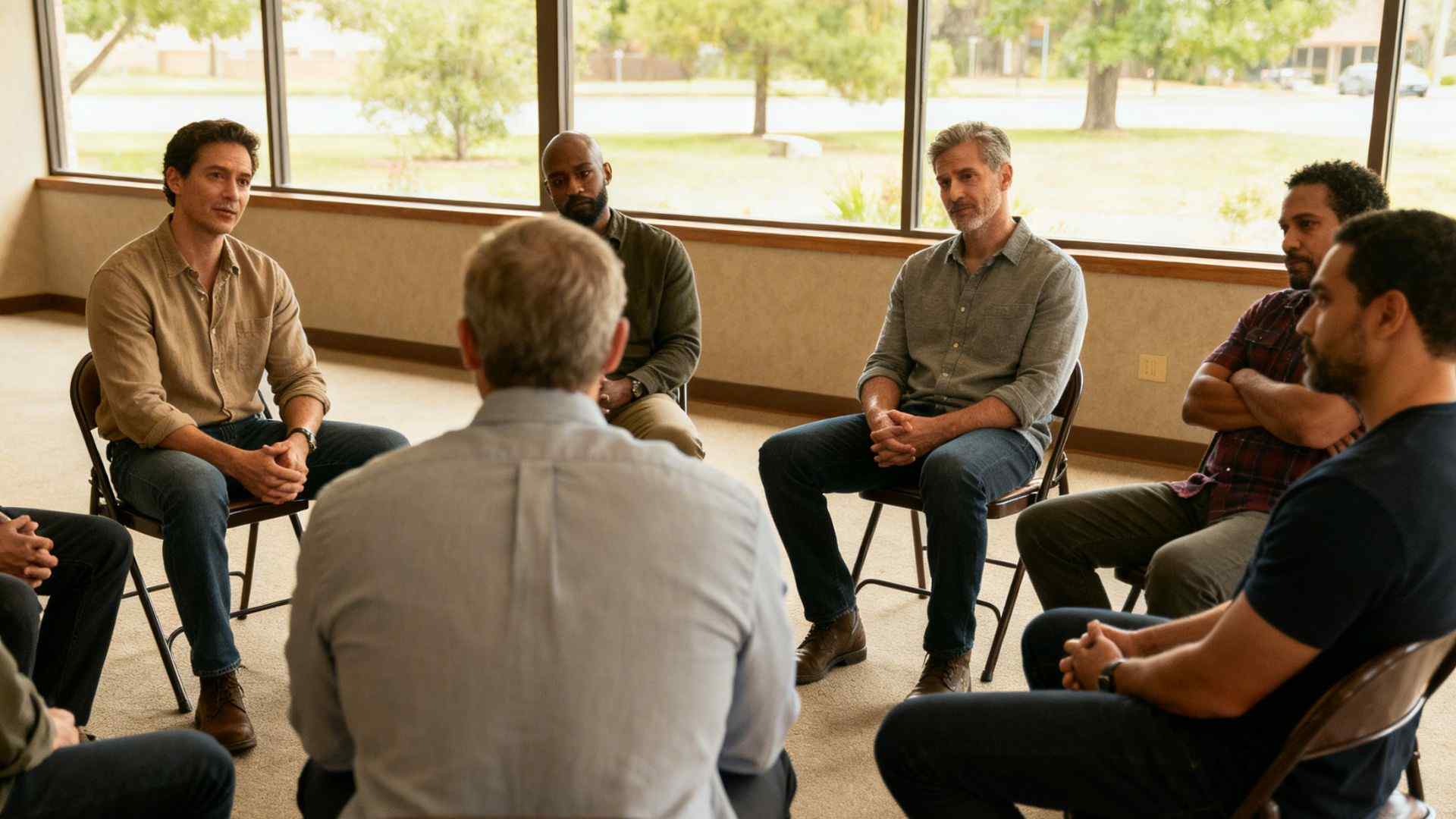
- Overcome Meth Addiction with Structured Treatment
What Is Methamphetamine Addiction?
Methamphetamine addiction is a substance use disorder defined by compulsive use that continues despite serious consequences to health, relationships, and daily functioning. It is not a matter of poor choices or weak character. It is a clinical condition that progressively takes over how a man thinks, behaves, and prioritizes.
What makes meth use disorder particularly hard to address is how completely it reshapes a man’s identity over time. Work ethic, relationships, physical health, and self-respect all erode. By the time most men seek treatment, the damage extends well beyond the drug itself.
Into Action Recovery combines evidence-based therapy, group accountability, and individualized clinical care to address meth use disorder at every level. Men work through the thinking and behaviors that kept them stuck, in a program proven to produce lasting results since 2012.
Recognizing the Signs of Meth Addiction
Meth addiction rarely looks the same in every man, but certain patterns show up consistently. Recognizing them early is often the difference between timely intervention and a much longer road to recovery.
Warning Signs of Meth Use and Addiction
Mood That Shifts Without Warning
Extreme highs followed by intense irritability or emotional flatness are direct signals of meth's effect on brain chemistry.
Visible Neglect of Physical Appearance
Significant weight loss, unwashed clothing, and an overall decline in presentation are observable signs of active dependency.
Inability to Function Without the Drug
When getting through a normal day feels impossible without meth, dependency has moved well past recreational use.
Severely Disrupted Sleep
Staying awake for multiple days then sleeping through entire days is a defining behavioral pattern of meth use disorder.
Speech That Can't Slow Down
Talking unusually fast and jumping between topics are behavioral signs of active meth intoxication.
Unexplained Financial Problems
Borrowing money, missing payments, and selling possessions without explanation are signs that spending has shifted to support a habit.

- The Serious Consequences of Untreated Meth Addiction
The Risks of Long-Term Methamphetamine Addiction
Untreated meth addiction causes damage that extends well beyond the period of active use. Cognitive function, cardiovascular health, and mental stability all deteriorate the longer use continues. For many men, the consequences become irreversible before they ever reach treatment.
Common Risks of Meth Addiction
- Memory Loss and Cognitive Decline
- Heart Disease and Increased Stroke Risk
- Persistent Psychosis and Mood Disorders
- Weakened Immune System and Physical Breakdown
Left untreated, these risks compound in ways that make recovery significantly harder over time. Into Action Recovery provides the clinical framework and accountability needed to stop that progression and build a foundation for long-term health.
- Expert Treatment for Meth Addiction
Reclaim Your Life Through Professional Meth Treatment
Meth recovery is a long-term process. Cravings can persist for months after use stops, and the emotional volatility of early recovery makes relapse a real and ongoing risk without clinical support. Professional treatment provides the framework that makes sustained sobriety possible.
At Into Action Recovery, men work through the behavioral and psychological patterns that drove their use, with a clinical team that understands the specific demands of meth use disorder. Individual therapy, group accountability, and trauma-informed care are built into the daily program.
Men leave with more than abstinence. They leave with a clear understanding of their recovery, practical tools for managing high-risk situations, and a brotherhood that extends well beyond treatment.

How Meth Addiction Rehab Works
Clinical Evaluation
Clinicians evaluate co-occurring conditions and establish a clear starting point for individualized treatment.
Individual and Group Therapy
One-on-one and group sessions address the personal and behavioral drivers of use at the same time.
Daily Routine and Structure
A consistent schedule rebuilds the self-regulation and habits that active meth use dismantles over time.
Life After Treatment
Men leave with a concrete plan covering high-risk triggers, coping strategies, and support connections.
- Residential Rehab for Methamphetamine Use Disorder
Inpatient Meth Recovery Program for Men at Into Action Recovery
Meth recovery demands more than weekly check-ins. The cognitive and behavioral effects of long-term use require consistent, intensive clinical support over an extended period. Residential treatment provides that, in an environment where nothing competes with the work.
What To Expect In Our Meth Treatment Program
At Into Action Recovery, men enter a program that has been producing results since 2012. Individual therapy, group sessions, trauma-informed care, and a structured daily routine work together to address meth use disorder at every level and prepare men for what comes after.
Treatment Built Around Each Man
Every man enters with a full clinical evaluation that shapes his individual treatment plan.
Clinical Therapy at the Core
CBT and trauma-informed therapy address the behavioral patterns and emotional triggers that sustained use.
Brotherhood and Shared Accountability
Men recover alongside others committed to the same work, creating honesty and a standard that holds everyone accountable.
Long-Term Recovery Tools
Every man leaves with a personalized aftercare plan and the support network to protect long-term sobriety.
Physical Restoration
Nutrition, exercise, and sleep support rebuild the physical foundation that meth use breaks down.

- Why Choose Into Action?
Why Families Trust Into Action for Men’s Treatment
Into Action has been operating men’s recovery programs since 2012. That track record was built across multiple Canadian campuses before the Arizona program opened, and the same standards, outcomes focus, and clinical integrity carried over. Families dealing with a loved one’s meth use disorder are not handing him to an unknown quantity.
Substance use disorder demands a program that takes the long view. Into Action does not measure success by discharge day. The residential program is designed to produce men who are genuinely equipped for life after treatment, not just stable enough to leave.
Every man who enters Into Action Recovery joins a program that has been refined over more than a decade. The clinical model, the peer environment, and the daily framework all exist for one reason: to make long-term recovery the outcome, not the exception.
Meet the Team Behind Arizona’s Leading Methamphetamine Rehab
At the heart of our program is a team committed to men’s recovery. Therapists, counselors, and clinical staff collaborate to provide practical guidance, encouragement, and consistent support, helping each participant navigate challenges, develop coping strategies, and maintain steady progress toward a stable, sober life.
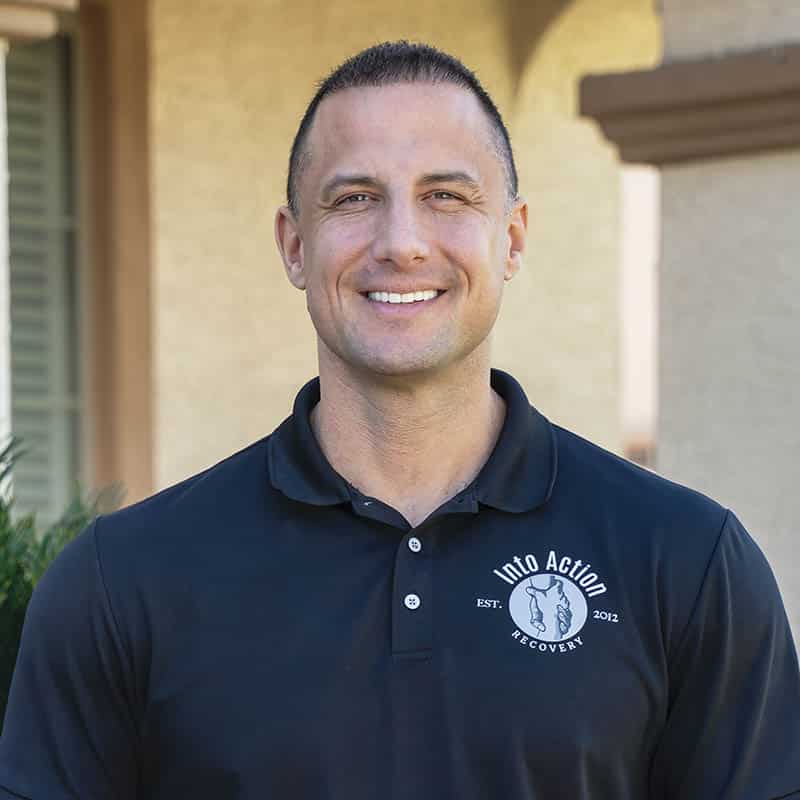
Chris Burwash
CEO & Founder
Chris Burwash is Founder and CEO of Into Action Recovery and a man in long-term recovery with more than two decades of experience helping men overcome addiction. He has guided thousands through structured recovery programs focused on accountability, discipline, brotherhood, and lasting sobriety.
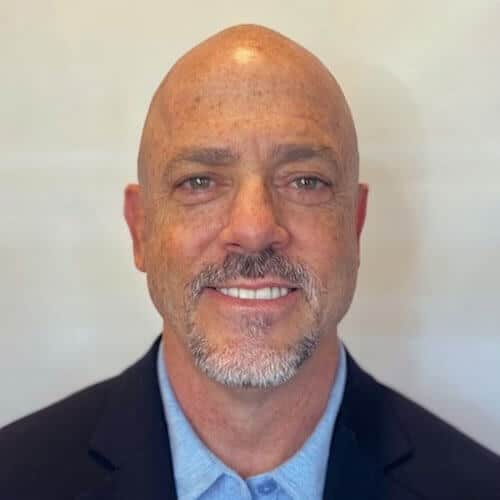
Paul Flatley, DO
Medical Director
Dr. Paul Flatley, DO, is a board certified addiction medicine physician with decades of medical experience. After training through Midwestern University and Maricopa Medical Center, he founded Direct2Recovery and Direct2MD, expanding medical access and treatment options for individuals struggling with addiction.

David Cummings
Program Director
David Cummings serves as Program Director at Into Action Recovery, overseeing daily operations and program structure that support men in early recovery. With extensive experience guiding treatment programs, he helps ensure accountability, consistency, and a stable environment where men build lasting sobriety.

Tara Harvell, LPC, BHP
Clinical Director
Tara Harvell, LPC, is Clinical Director at Into Action Recovery specializing in trauma-informed addiction treatment. An EMDR-trained therapist and AZBBHE Clinical Supervisor, she oversees clinical standards and therapist development while helping individuals address trauma and substance use disorders simultaneously.
- Frequently Asked Questions
FAQs About Treatment for Meth Addiction
We answered some of our most asked questions regarding our meth abuse treatment and ways to finance recovery for you or your loved one.
How long does meth addiction treatment typically take?
There is no universal timeline. Residential treatment for meth use disorder typically ranges from 30 to 90 days, though clinical research consistently shows that longer treatment durations produce better long-term outcomes. The severity of use, co-occurring conditions, and individual progress all influence how long a man stays in the program.
Is meth withdrawal dangerous?
Meth withdrawal is not typically life-threatening the way alcohol or opioid withdrawal can be, but it is clinically significant. The crash following heavy use involves severe fatigue, depression, intense cravings, and in some cases suicidal ideation. Clinical supervision during this phase is important for both safety and setting the tone for early recovery.
What happens after residential meth treatment ends?
Discharge from residential treatment is not the end of the recovery process. Aftercare planning connects men with ongoing support through outpatient counseling, sober living, 12-step communities, or a combination of these. Having a concrete plan in place before leaving treatment is one of the most reliable predictors of sustained long-term sobriety.
How can a family help someone with meth addiction get into treatment?
The most effective first step is a direct, honest conversation that focuses on concern rather than blame. Families do not need to wait for someone to hit rock bottom. Being prepared with clear information about treatment options and ready to act quickly when the person is open significantly increases the likelihood of entering treatment.
Can someone recover from meth addiction if they have relapsed before?
Relapse is a documented part of the recovery process for many men with substance use disorders, not a sign that recovery is impossible. Prior relapses often reflect gaps in treatment intensity or aftercare support rather than personal failure. A comprehensive residential program that addresses those gaps provides a significantly stronger foundation for lasting sobriety.
Get Into Action & Call Today
If you’re a man or you know and love a man that is ready for real change, Into Action Recovery offers a proven path forward.