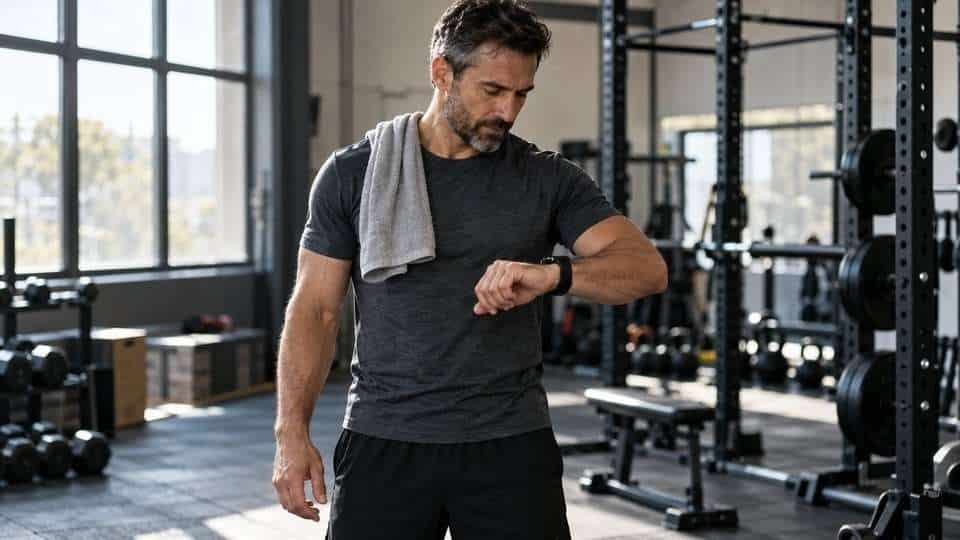
Pre-workout supplements and alcohol pull the body in opposite directions. Many pre-workouts are built around caffeine and other stimulants, while alcohol is a depressant.
Mixing a caffeinated pre-workout and alcohol does not balance them out. Caffeine may make you feel less impaired while alcohol still affects judgment and coordination. The combination can also increase cardiovascular and dehydration risks; effects depend on the ingredients, dose, and person.
If drinking or stimulant use has started to feel hard to control, information about alcohol addiction treatment for men in Arizona is available when you want it.
What Is in Pre-Workout?
Pre-workout supplements are powders or drinks marketed to boost energy, focus, and workout performance before training. Many rely on caffeine as the key active ingredient, and amounts vary widely between products.
The Food and Drug Administration (FDA) notes that dietary supplements are among the products that can contain added caffeine, and it encourages people to check labels [1].
For most adults, the FDA cites 400 milligrams of caffeine a day as an amount not generally associated with negative effects, and it warns that pure and highly concentrated caffeine products can cause serious harm, including death.
The FDA estimates that toxic effects, such as seizures, can occur with rapid intake of around 1,200 milligrams of caffeine. That is not a safety cutoff; harmful effects can occur at lower doses, and the 400-milligram daily reference is not approval to combine caffeine with alcohol. Stacking a heavy pre-workout with energy drinks or coffee can push totals up fast.
Other Ingredients in Pre-Workout Supplements
Besides caffeine, pre-workout supplements may contain beta-alanine, creatine, other stimulants, and sometimes sugar. Creatine and beta-alanine are not stimulants, and some pre-workouts contain no caffeine. Formulas differ a lot from brand to brand, and some labels list a blend without full amounts, so men cannot always tell exactly what they are taking.
That uncertainty matters when alcohol enters the picture. CDC warnings about caffeine and alcohol are most directly relevant to caffeinated formulas; they do not establish identical interactions for every ingredient or every stimulant-free pre-workout.
Caffeine Affects Men Differently
The FDA notes that there is wide variation in how sensitive people are to caffeine and how quickly they clear it from the body. Certain medical conditions and medications can make people more sensitive.
Caffeine also turns up in places men may not expect. The FDA lists energy and protein bars, dietary supplements, and some over-the-counter medicines among products that can contain added caffeine, so a full day of supplements can add up.
Food, water, and sleep fuel a workout without those risks, and they support long-term fitness goals and body composition more reliably than a supplement stack. For the bigger picture of how alcohol affects training, see our guide asking does alcohol stop muscle growth.
Why Pre-Workout and Alcohol Do Not Cancel Out
Many men assume a stimulant offsets the downer effect of alcohol. The Centers for Disease Control and Prevention (CDC) says otherwise: caffeine does not reduce the effects of alcohol on the body [2].
It Can Hide How Impaired You Are
The CDC explains that caffeine may make you feel like you have more energy, or feel like the alcohol is affecting you less. That false signal can lead to drinking more and becoming more impaired, which the CDC notes increases health risks.
Caffeine does not lower your blood alcohol level or make coordination and judgment safe. Feeling more alert can create false reassurance about impairment.
It Can Increase Cardiovascular Risk
The CDC lists higher blood pressure and irregular heartbeat among the concerns with mixing alcohol and caffeine. The FDA notes that too much caffeine on its own can cause a faster heart rate, heart palpitations, and high blood pressure.
A hard workout also raises heart rate. Risk depends on dose, health conditions, and the other ingredients involved, rather than a predictable effect for every person.
It Can Add to Dehydration Risk
The CDC also lists dehydration as a concern. Alcohol can increase fluid loss, and sweating during a tough workout can leave a fluid deficit. This does not mean every caffeine dose causes dehydration; the amount consumed and hydration state matter.
In the Arizona heat, that combination puts extra strain on the body. NIAAA explains that alcohol suppresses vasopressin, a hormone that helps the kidneys hold onto water, which is why drinking increases urination.
It Leads to Riskier Choices
The CDC reports that people who mix alcohol with energy drinks are more likely to report binge drinking, injuries, alcohol-impaired driving, and riding with a driver who had been drinking. These are associations, not proof that mixing caused each outcome. The findings support caution with caffeinated pre-workouts, though supplement formulas and doses can differ from energy drinks.
Why FDA Acted Against Added Caffeine in Alcoholic Drinks
Premixed caffeinated alcoholic drinks were popular in the 2000s. According to the CDC, the FDA found in November 2010 that it was not safe to add caffeine to these drinks, and producers removed the caffeine and other stimulants from their products.
The CDC warns that alcoholic drinks mixed with caffeine at home can carry similar risks to those banned products. Taking a caffeinated pre-workout and drinking while its effects overlap can raise similar concerns, though the dose and ingredients may differ from those products.
What the Mix Does to Your Training
Even apart from the safety risks, this combination works against the reason you train and the workout results you are after. Alcohol blunts the muscle-building response after a session, as our chapter on what alcohol after a workout does explains.
Sleep takes a double hit too. The FDA lists insomnia and sleep disruption among the signs of too much caffeine, and the National Institute on Alcohol Abuse and Alcoholism (NIAAA) explains that sleep after drinking is fragmented, with earlier waking [3]. Less sleep means less recovery.
The effects also carry into the next session. A 2023 NIAAA review describes studies in which heavy drinking the day before reduced lower-body performance in athletes and shortened time to exhaustion during hard exercise 18 to 24 hours later [4].
Over time, heavy drinking can damage muscle health directly. Our chapter on alcoholic myopathy covers how that happens and what the warning signs look like.
When Stimulants and Alcohol Become a Pattern
Some men use pre-workout or other stimulants to keep drinking longer, or use alcohol to come down after a high-stimulant day. If that cycle sounds familiar, it is worth paying attention to.
Relying on one substance to manage the effects of another can be a sign that use is becoming harder to control. Talking with a doctor or counselor is a strong first step, and it does not mean you have to have everything figured out.
Signs You Need Medical Help
The FDA lists signs of too much caffeine that include a faster heart rate, heart palpitations, high blood pressure, anxiety, jitters, nausea, and headache. With alcohol in the mix, those signs can be harder to read.
Call 911 right away for chest pain, a racing or irregular heartbeat that does not settle, fainting, trouble breathing, confusion, or a seizure. Do not try to train through these symptoms or sleep them off.
Frequently Asked Questions About Pre-Workout and Alcohol
Can You Drink Alcohol After Taking Pre-Workout?
The CDC warns that mixing alcohol and caffeine, a common ingredient in pre-workouts, can cause harm. This warning applies most directly to caffeinated products, rather than every stimulant-free formula. Caffeine does not reduce alcohol’s effects, but it can make you feel less impaired, which can lead to drinking more. The combination is also linked to higher blood pressure, irregular heartbeat, and dehydration.
Is It Dangerous to Mix Pre-Workout and Alcohol?
Mixing pre-workout and alcohol carries real health and safety risks. The CDC links alcohol and caffeine together to higher blood pressure, irregular heartbeat, dehydration, binge drinking, and injuries. In 2010, the FDA found it was not safe to add caffeine to alcoholic drinks, which led companies to remove caffeine from those products.
Does Pre-Workout Make You Feel Less Drunk?
Pre-workout can make you feel less drunk without making you less drunk. The CDC explains that caffeine may make you feel more energetic or less affected by alcohol, but it does not change alcohol’s effects on the body. That false sense of control can lead to drinking more and taking bigger risks.
Getting Help
If you notice pre-workout, stimulants, and alcohol showing up together in your routine, or either one is getting harder to stop, help is available. A doctor can talk through the health risks and what a safe next step looks like for your safety and your training.
The Substance Abuse and Mental Health Services Administration (SAMHSA) National Helpline at 1-800-662-4357 is free and confidential. For a mental health or suicide crisis, call or text 988. Into Action provides men’s residential treatment in Phoenix built around structure, accountability, and physical conditioning.
This article is for informational purposes only and is not a substitute for professional medical advice, diagnosis, or treatment. If you drink heavily, talk to a doctor before stopping, because suddenly quitting after heavy drinking can cause dangerous withdrawal. If you are in crisis, call or text 988; in an emergency, call 911.
Sources
- U.S. Food and Drug Administration. Spilling the Beans: How Much Caffeine is Too Much? Content current as of August 28, 2024. https://www.fda.gov/consumers/consumer-updates/spilling-beans-how-much-caffeine-too-much
- Centers for Disease Control and Prevention. Effects of Mixing Alcohol and Caffeine. May 15, 2024. https://www.cdc.gov/alcohol/about-alcohol-use/alcohol-caffeine.html
- National Institute on Alcohol Abuse and Alcoholism. Hangovers. https://www.niaaa.nih.gov/publications/brochures-and-fact-sheets/hangovers
- Simon L, Bourgeois BL, Molina PE. Alcohol and Skeletal Muscle in Health and Disease. Alcohol Research: Current Reviews (National Institute on Alcohol Abuse and Alcoholism). 2023;43(1):04. Published November 2, 2023. doi:10.35946/arcr.v43.1.04. https://pubmed.ncbi.nlm.nih.gov/37937295/