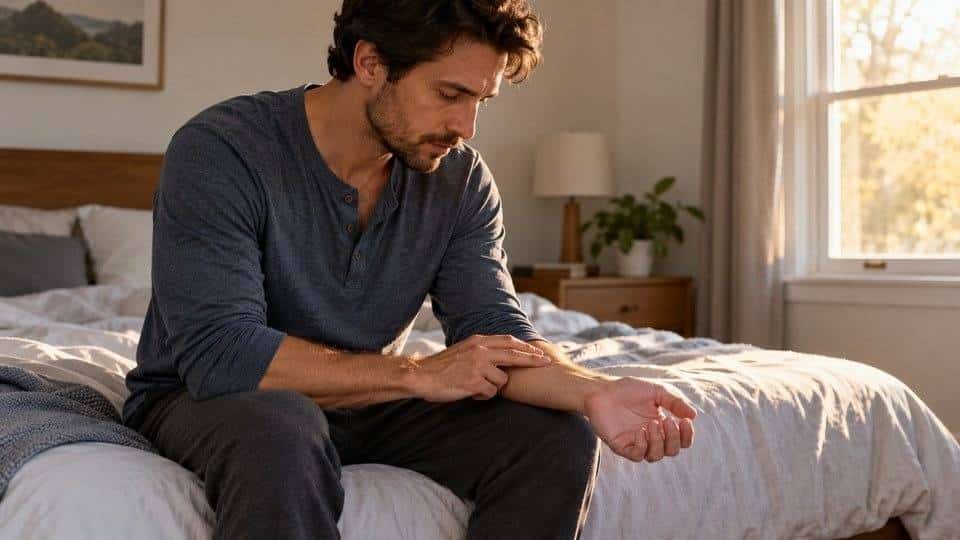
Does alcohol raise heart rate? Yes, drinking alcohol speeds up your heart within a few hours. After a heavy night, your heart rate can stay higher into the next day. A racing heart can also come from alcohol withdrawal, anxiety, or an irregular heartbeat, so the cause matters as much as the speed.
A fast pulse from drinking often eases as the alcohol leaves your body. Chest pain, fainting, or severe shortness of breath are different, so call 911 and do not drive yourself. If your heart races after drinking again and again, get checked by a doctor and take an honest look at your drinking. When stopping on your own has not worked, alcohol rehab for men in Phoenix can help.
Does Alcohol Raise Heart Rate?
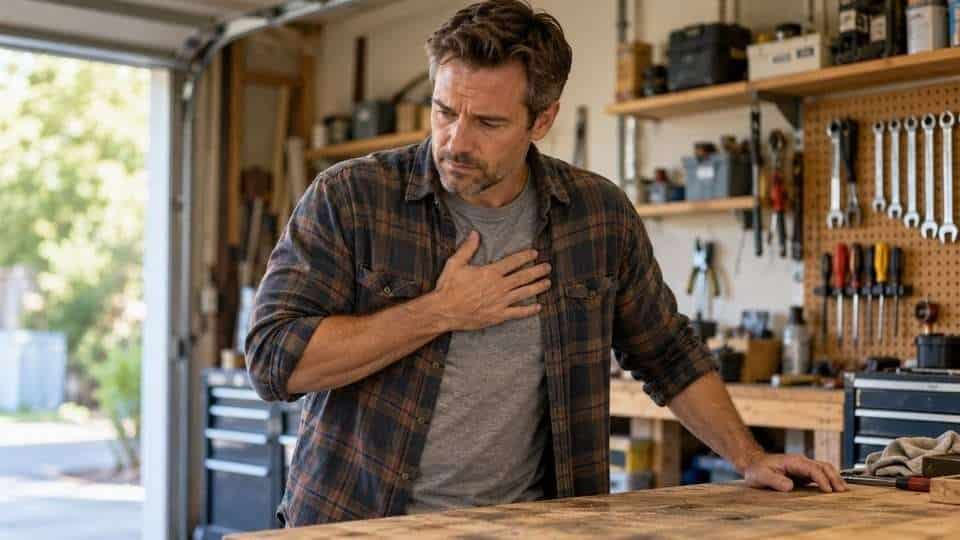
Alcohol increases heart rate, and controlled studies have measured how much.
Within a Few Hours of Drinking
A 2020 Cochrane review pooled 32 controlled trials with 767 mostly healthy adults, most of them men [1]. In those trials, even a small alcohol intake raised heart rate by about 5 beats per minute within six hours. After a large amount, heart rate was still up by about 6 beats per minute 7 to 12 hours later.
Part of the reason is the autonomic nervous system, which runs your heartbeat without you thinking about it. One side speeds the heart up, and the other side, the parasympathetic nervous system, slows it down. In a small 2021 study, volunteers given alcohol had more activity on the speed-up side and less on the slow-down side. As a result, their heart rate rose.
Alcohol acts on the blood vessels of the cardiovascular system too, widening them. That is why the answer to does alcohol raise blood pressure comes in two parts. Blood pressure can dip for several hours, then rise above the level seen after a placebo.
The Next Morning
Some of alcohol’s effects do not settle by morning. In the same review, a large amount of alcohol still had heart rate about 2.7 beats per minute higher 13 or more hours later [1].
Several next-day changes can keep your heart rate up:
- Alcohol makes you urinate more, and severe dehydration can come with a rapid heartbeat.
- Losing fluid can lead to an electrolyte imbalance, and a low potassium level is one cause of heart palpitations.
- Alcohol disrupts sleep and often wakes you early.
- Alcohol can increase the risk of low blood sugar in men using insulin or certain diabetes medicines, especially without food. Low blood sugar can cause a fast or pounding heartbeat.
Over months and years, alcohol affects the heart muscle and its beat too, which our guide on how alcohol affects the heart explains.
Palpitations and Irregular Heart Rhythms
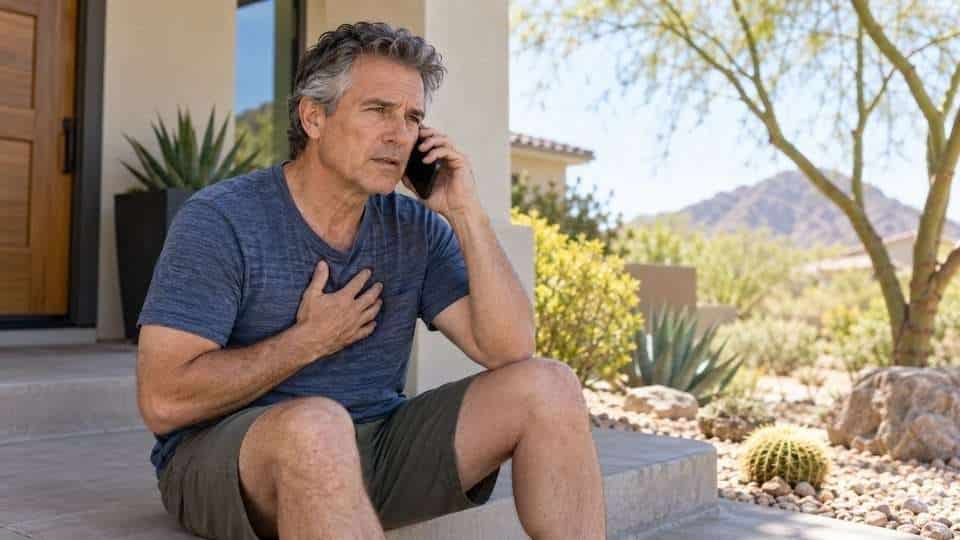
Heart palpitations are the feeling that your heart is pounding, fluttering, or racing. Caffeine, nicotine, stress and too many alcoholic drinks can all trigger palpitations. An episode can last a few seconds, a few minutes or longer.
Researchers in Munich checked the heart rhythms of 3,028 people at Oktoberfest in 2015. They found cardiac arrhythmias in 30.5 percent of them, compared with 2.7 percent in a separate general population group [2]. The groups and recording conditions differed, so this was not a controlled estimate of how much drinking alone increased risk. The most common type was sinus tachycardia, a steady but fast heartbeat, which affected 25.9 percent of participants. How much alcohol was on their breath also mattered, because higher levels went with higher odds of abnormal heart rhythms.
Atrial fibrillation (AFib) is a different problem. In AFib, the heart’s upper chambers quiver instead of beating in a steady rhythm, which can feel like a flutter or an irregular heartbeat. When it follows binge drinking in someone with no known heart disease, doctors call it holiday heart syndrome.
Holiday heart syndrome often stops on its own within about a day. Even so, AFib can let blood clots form in the heart, and a clot that travels to the brain can cause a stroke.
Racing Heart, Anxiety and Alcohol Withdrawal
Anxiety and withdrawal can also make your heart race after drinking, and they call for different responses.
Anxiety and Stress Hormones
Drinking a lot at one time switches on the body’s stress system and raises cortisol, one of the main stress hormones. As the alcohol wears off the next day, some men feel heightened anxiety, often called hangxiety.
Anxiety and a racing heart can make each other worse. Slow breathing and other ways to manage stress can help these palpitations settle. If next-day anxiety after drinking keeps coming back, it is a mental health concern to raise with a healthcare provider.
When It Is Alcohol Withdrawal
For men who drank heavily for weeks or months, a racing heart after they stop drinking can be alcohol withdrawal. Symptoms often begin within a day of the last drink and tend to peak by 24 to 72 hours [3]. Withdrawal symptoms can include:
- A rapid heart rate
- Sweating
- Shakiness or tremor
- Anxiety and irritability
- Nausea and vomiting
- Trouble sleeping
Alcohol withdrawal can be dangerous. Call 911 or go to the emergency room if you have seizures, a fever, severe confusion, hallucinations, or an irregular heartbeat. Heavy drinkers who want to stop should talk to a doctor first. A doctor can manage withdrawal with medical treatment.
When a Racing Heart Is a Medical Emergency
Call 911 and do not drive yourself if palpitations come with any of these warning signs:
- Chest pain, pressure, or chest discomfort
- Fainting or passing out
- Severe shortness of breath
- Unusual sweating
- Dizziness or lightheadedness
Also call 911 for signs of a stroke, because AFib raises stroke risk. Those signs include a drooping face, weakness in one arm, or slurred speech. Our post on telling a panic attack from a heart attack explains the differences, but if you are unsure, call 911.
Some other cardiovascular symptoms need a doctor soon, even if they do not need an ambulance:
| What You Notice | What to Do |
|---|---|
| Palpitations with chest pain, fainting or severe shortness of breath | Call 911 and seek emergency care |
| A resting pulse over 100 beats per minute without exercise, anxiety or fever | Contact your healthcare provider right away [4] |
| Extra beats you feel often, or palpitations when you have heart disease or its risk factors | Contact your healthcare provider right away |
| Palpitations that feel different from your usual ones, or your first episode | See your healthcare provider |
| Seizures, hallucinations or severe confusion after you stop drinking | Call 911 |
What Repeated Episodes Can Mean
Repeated racing-heart episodes deserve an assessment of drinking and other possible causes. They do not by themselves prove long-term alcohol-related heart damage. The National Institute on Alcohol Abuse and Alcoholism (NIAAA) states that “alcohol misuse can damage the heart” [5]. It links misuse to high blood pressure (hypertension), an irregular heartbeat and a faster heart rate.
Over time, heavy alcohol consumption puts men at higher risk of AFib, heart failure and liver disease. It also raises the risk of cardiovascular disease, such as coronary artery disease and heart attack. Years of heavy drinking can stretch and weaken the heart muscle, which is called alcoholic cardiomyopathy. Stopping drinking gives the heart tissue its best chance to heal, as our chapter on weakened heart muscle from years of heavy drinking explains.
No amount of alcohol is recommended for heart health, and red wine is no exception. Studies using genetic data have not found clear proof that drinking protects the heart. Some heart medicines and alcohol interact, including blood thinners used to prevent blood clots. For your heart, the safest choice is to avoid alcohol.
Why Does My Heart Race After Drinking? Frequently Asked Questions
How Long Does a Racing Heart Last After Drinking?
It depends on how much you drank. In controlled studies, heart rate rose within six hours of drinking, and after a large amount it was still higher 13 or more hours later. A racing heart that starts or lasts for days after you stop drinking may be withdrawal and needs a doctor.
Can One Night of Drinking Cause AFib?
Yes, it can. An irregular rhythm after binge drinking, usually AFib, is called holiday heart, and it can happen in people with no known heart disease. Many episodes stop on their own within about a day. Any irregular heartbeat with chest pain, fainting, or severe shortness of breath is still a reason to call 911.
Should I Go to the ER for Palpitations After Drinking?
Call 911 or go to the emergency room if palpitations come with chest pain, fainting, severe shortness of breath, unusual sweating, or dizziness. Do not drive yourself. If your resting pulse stays over 100 beats per minute, or the palpitations feel different from before, contact your healthcare provider right away.
Do Heart Palpitations From Alcohol Go Away?
Palpitations from a night of drinking often fade as the alcohol leaves your body. If they keep coming back, get a medical evaluation. Stopping drinking removes the trigger. Even so, men who drink heavily should talk to a doctor before they stop, because alcohol withdrawal can be dangerous.
Getting Help When Drinking Affects Your Heart
If drinking keeps leaving your heart racing, the drinking is the part you can change. At Into Action Recovery, we work with men who are ready to stop drinking and stay stopped. Our alcohol rehab program in Phoenix is a place to start. If you are in crisis, call or text 988, or call the SAMHSA National Helpline at 1-800-662-4357.
This article is for informational purposes only and is not a substitute for professional medical advice, diagnosis, or treatment. If you have chest pain, fainting, severe shortness of breath or signs of a stroke, call 911.
Sources
- Tasnim S, et al. Effect of alcohol on blood pressure. Cochrane Database of Systematic Reviews, 2020 (published July 1, 2020). https://www.cochrane.org/evidence/CD012787_alcohol-has-biphasic-effect-blood-pressure-and-increases-heart-rate
- Brunner S, et al. Alcohol consumption, sinus tachycardia, and cardiac arrhythmias at the Munich Octoberfest: results from the Munich Beer Related Electrocardiogram Workup Study (MunichBREW). European Heart Journal, 2017;38(27):2100-2106. https://academic.oup.com/eurheartj/article/38/27/2100/3748448
- MedlinePlus, National Library of Medicine. Alcohol withdrawal. Reviewed January 1, 2025. https://medlineplus.gov/ency/article/000764.htm
- MedlinePlus, National Library of Medicine. Heart palpitations. Reviewed June 4, 2026. https://medlineplus.gov/ency/article/003081.htm
- National Institute on Alcohol Abuse and Alcoholism. Alcohol’s Effects on the Body. Updated June 2025. https://www.niaaa.nih.gov/alcohols-effects-health/alcohols-effects-body