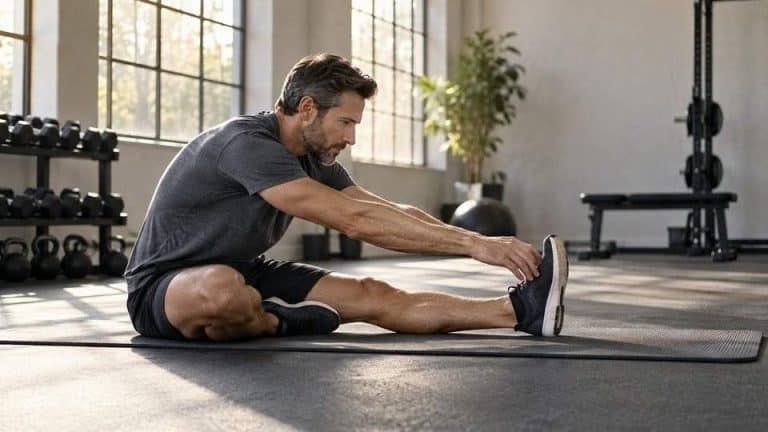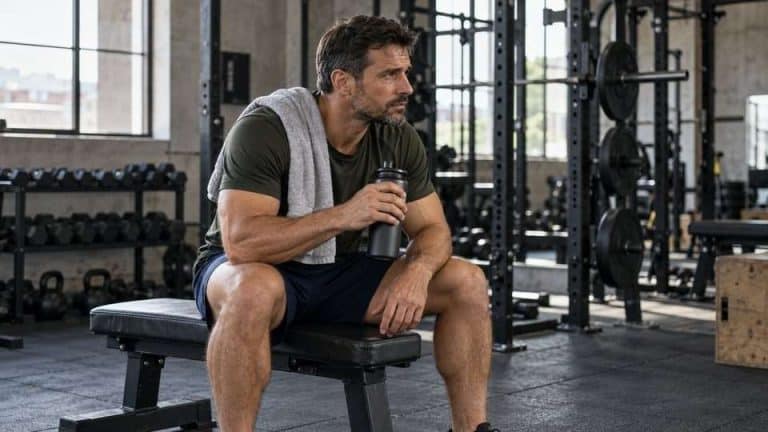
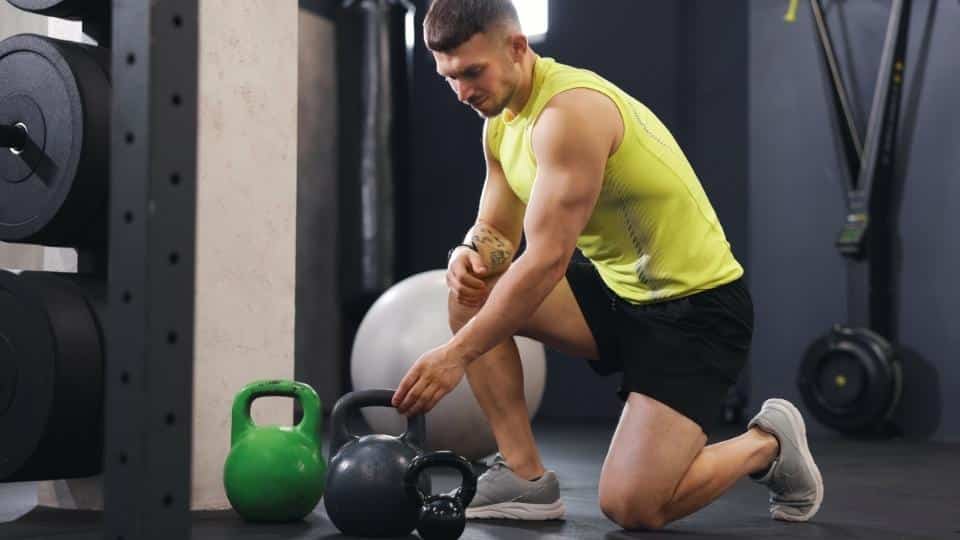
Recovery from drug or alcohol addiction involves more than stopping substance use. It requires rebuilding the body, the mind, and the daily habits that support a life without substances. Regular exercise is one of the more practical and increasingly well-supported tools available during that process. The benefits of exercise for people in recovery extend from the physical to the psychological, touching brain chemistry, mood, sleep, energy levels, and self-confidence in ways that can directly support sobriety. This article breaks down what the research says about exercise benefits, what types of physical activity tend to help most, and how building a consistent exercise program can become one of the more durable parts of a long-term recovery plan during inpatient rehab.
Key Takeaways
- Regular exercise may help support brain and mood changes affected by substance abuse, including dopamine and endorphin activity, which can support mood stabilization in early recovery
- Physical activity has been shown to reduce anxiety, depression, and cravings, all of which are common challenges during recovery from drug or alcohol addiction
- Exercise improves mood, sleep quality, and energy levels, which can make the psychological aspects of early recovery more manageable
- Strength training, aerobic exercise, yoga, and group-based physical activity each offer distinct health benefits depending on what a person needs most
- Building a healthy routine around regular physical activity gives structure to daily life, which supports long-term recovery
Most rehabs treat exercise as an extra, but Into Action Recovery is built on the recognition that rebuilding the body and rebuilding sobriety are the same project, done in the same daily routine.
Why Exercise Benefits Recovery From Substance Use Disorders

The connection between physical exercise and recovery from substance use disorders is not incidental. Substances like alcohol, opioids, and stimulants disrupt the brain’s reward system through different mechanisms that often involve dopamine signaling. Over time, the brain adapts in ways that can make normal activities feel less rewarding. This is part of what makes early recovery so difficult.
Regular exercise helps because it can activate reward-related brain pathways in a natural way. Physical activity also stimulates the release of endorphins and supports broader changes in brain and body systems that regulate mood, reduce anxiety, and contribute to a general sense of well-being. For someone whose brain chemistry has been significantly affected by drug or alcohol addiction, exercise can provide a path back toward baseline that does not involve substances.
According to research supported by the Department of Health and Human Services, regular physical activity can reduce the risk of several chronic conditions, including heart disease, high blood pressure, diabetes, and colon cancer. Many people with histories of substance abuse may already be managing elevated health risks, though the specific risks vary depending on the substance, overall health, and duration of use.
For men who need that structured routine without staying in residential, our intensive outpatient program provides the weekly clinical anchor points that help men maintain consistent exercise habits alongside therapy and peer support.
How Exercise Affects Key Recovery Challenges
Recovery places significant demands on the body and mind simultaneously, and exercise addresses several of those demands in ways that medication and therapy alone often cannot. The table below outlines how different types of physical activity map onto the most common challenges people face in early and ongoing recovery.
| Recovery Challenge | How Exercise Helps | Type of Activity |
|---|---|---|
| Cravings | May reduce craving intensity and provide a healthier reward outlet | Aerobic exercise, running |
| Anxiety and depression | Supports mood regulation and stress reduction | Yoga, walking, strength training |
| Sleep problems | Can improve sleep quality and support more consistent sleep patterns | Regular physical activity, any form |
| Low energy | Builds cardiovascular health and stamina | Aerobic exercise, team sports |
| Can build physical competence and self-esteem | Can build physical competence and self esteem | Strength training, challenge-based activities |
For a closer look at how group fitness and team activities integrate into broader peer-based recovery work, see our breakdown of men’s group activities in recovery and the brotherhood that builds through shared physical effort.
Physical Health Rebuilding After Drug or Alcohol Addiction
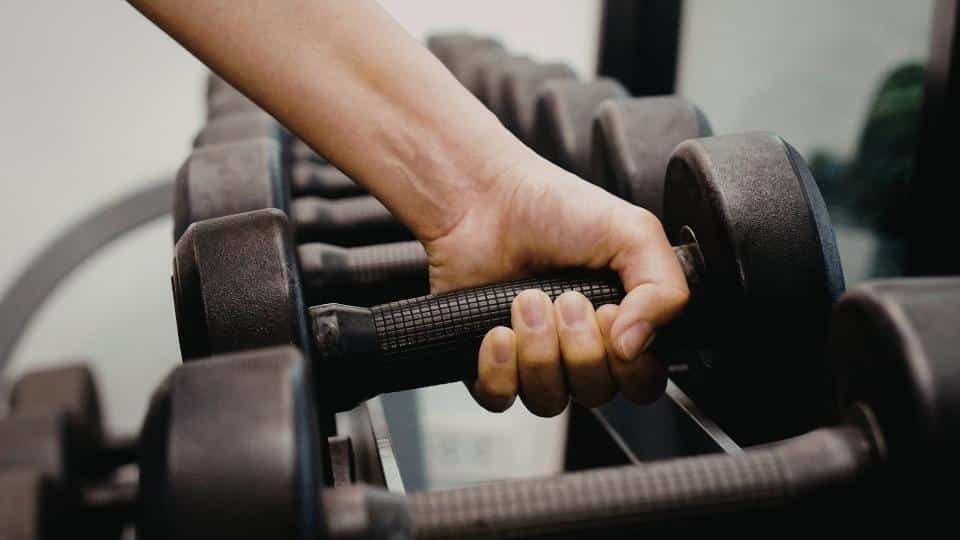
Substance abuse takes a measurable toll on the body. Alcohol addiction can damage the liver, heart, and digestive system. Drug addiction affects cardiovascular health, muscle strength, immune function, and overall physical health in ways that vary by substance but are rarely minor. One of the most direct benefits of exercise in recovery is the opportunity to begin reversing some of that damage.
Regular exercise supports cardiovascular health, builds muscle strength, and contributes to overall physical health over time. For men who have spent months or years in active addiction, the physical decline can feel significant. Starting an exercise program, even at a modest level, begins the process of physical restoration in a way that is both measurable and motivating.
Strength training does more than build muscle in early sobriety; it directly supports the hormonal recovery that years of drinking have disrupted, and our breakdown of how alcohol affects testosterone explains why physical training amplifies that hormonal repair.
Starting an Exercise Program in Early Recovery
The first step does not need to be intense. Walking is a legitimate and effective starting point. The goal in early recovery is consistency over intensity, building a healthy routine that the body and mind can rely on.
- Walking for 20 to 30 minutes daily can begin supporting better mood, energy levels, and sleep over time
- Strength training two to three times per week builds muscle strength and may support the self-confidence that early recovery can erode
- Aerobic exercise like running, cycling, or swimming supports cardiovascular health and can boost mood through endorphin and other neurochemical changes
As the body adapts, the exercise program can grow. Many men find that the sense of physical progress, getting stronger, having more energy, sleeping better, becomes one of the more tangible markers of how much has changed since active addiction.
Men’s Treatment in Arizona
Find the Right Level of Care
Residential Treatment Program
Live on-site in a men-only inpatient setting in Laveen Village. During treatment, we focus on structure, brotherhood, and clinical care built for lasting sobriety.
Tour Our Phoenix CenterIntensive Outpatient Program
Continued care for men who need real accountability while keeping work and home life intact. A strong step down from residential or a serious starting point.
Explore the Scottsdale IOPExercise Improves Mood and Supports Mental Health
One of the most well-documented exercise benefits is its effect on mental health. Depression and anxiety are common during recovery, particularly in the weeks and months after stopping substance use, when the brain and body are still recalibrating. Physical exercise provides a reliable, non-pharmacological way to support mood during this period.
Exercise improves mood through several brain and body mechanisms, including changes in neurotransmitters such as dopamine and endorphins. These systems influence emotional state, motivation, and the ability to feel pleasure. For people working through drug or alcohol addiction, whose reward systems have been significantly altered, exercise can help support some of that capacity in a sustainable way.
The psychological aspects of recovery, managing stress, building emotional resilience, and maintaining focus all benefit from regular physical activity. Many people who exercise regularly during treatment and early recovery report feeling more grounded, less reactive, and better able to engage in the therapeutic work that recovery requires.
Anxiety, Depression, and Cravings
Physical activity can reduce anxiety symptoms and support stress regulation. For men managing anxiety disorders alongside drug or alcohol addiction, exercise can serve as one of several complementary therapies working in parallel with clinical treatment.
Cravings are another area where exercise helps. Research suggests that aerobic exercise in particular can reduce the intensity and frequency of cravings for various substances, possibly because it engages some of the brain’s reward-related pathways without the substance. It is not a replacement for treatment, but it can be a meaningful coping mechanism during high-risk moments. The anxiety, depression, and mood instability that drive cravings often persist for months after initial withdrawal, and our guide on PAWS in alcohol recovery and why extra care is essential explains the protracted symptoms that exercise can help moderate during the long recovery window.
Self-Esteem and Self-Confidence in Recovery
Addiction tends to erode self-esteem over time. The behaviors, consequences, and losses that accompany active substance abuse can leave a man with a diminished sense of who he is and what he is capable of. Exercise helps rebuild that foundation, not through positive thinking, but through action and measurable progress.
When a man can do more today than he could last week, when he is stronger, has more energy, and can fall asleep faster without substances, those are real data points. Self-confidence in recovery is not manufactured. It is earned through consistent effort. Physical exercise provides a structured arena where that effort produces visible results.
- Strength training offers a particularly direct path to rebuilding physical self-confidence
- Team sports may introduce accountability and social connection alongside physical health benefits
- Challenge-based activities can build problem-solving, focus, and a sense of capability that extends beyond the gym
The reason exercise rebuilds confidence so directly ties to deeper patterns men carry around proving themselves, and our guide on why men hide their feelings breaks down the conditioning that makes physical progress hit so meaningfully when other progress feels harder to see.
Building a Healthy Routine Around Regular Physical Activity
One of the less-discussed exercise benefits in recovery is structural. Substance use disorders disrupt daily life in ways that go beyond the substance itself. Sleep cycles, eating habits, social patterns, and daily routines all get organized around the addiction over time. When the substance is removed, that structure collapses, and the absence of routine is itself a risk factor.
Regular physical activity helps fill that structure. An exercise program gives the day shape. It creates a commitment that is not substance-related but still requires consistency. For men in early recovery who are navigating significant amounts of unstructured time, having a scheduled workout, a class, or a training partner can create anchoring points in the day.
The men-only setting itself amplifies why physical training works so well in early recovery, and our breakdown of gender-specific recovery for men explains how men-focused programs make physical conditioning more central to the work than mixed-gender settings typically do.
Types of Physical Activity and Their Recovery Benefits
| Activity | Primary Benefit | Best for |
|---|---|---|
| Strength training | Men building a support community | Men rebuilding physical confidence |
| Aerobic exercise | Cardiovascular health, mood regulation | Managing anxiety, depression |
| Yoga | Flexibility, stress relief, mindfulness | Supporting the psychological aspects of recovery |
| Team sports | Social connection, accountability | Men building support community |
| Walking | Accessible, mood-boosting, low barrier | Early recovery, any fitness level |
Exercise as a Long-Term Recovery Tool
Exercise helps most when it is treated as a long-term recovery commitment rather than a phase. The health benefits of regular physical activity compound over time. Cardiovascular health improves. Muscle strength increases. Sleep becomes more consistent. Energy levels stabilize. Mood becomes more predictable. These are not minor quality-of-life upgrades. They are the building blocks of a life that does not require substances to feel manageable.
For men in long-term recovery, exercise can also serve as a continued coping mechanism when stress, grief, or other triggers emerge. Having a physical outlet that supports stress reduction and boosts mood provides a meaningful alternative to substances during difficult stretches.
Regular physical activity can also have visible effects on the people in a man’s life, as the behavioral changes that come with regular exercise, better sleep, more energy, and improved mood tend to be noticeable to those around him. Those changes can reinforce recovery in the broader relational context as well.
For men in the Phoenix metro area continuing care after residential, our intensive outpatient program in Scottsdale builds the kind of structured weekly accountability that keeps exercise habits going long past the initial motivation of early recovery.
Exercise Benefits FAQs
How does exercise help reduce cravings during recovery?
Physical activity, particularly aerobic exercise, may help reduce the intensity of cravings by engaging some of the brain’s reward and stress-regulation systems. While exercise is not a standalone treatment, it can be a meaningful coping mechanism when cravings arise during daily life.
What type of exercise is best during early recovery?
There is no single best option. Walking is accessible and effective for most people as a starting point. Strength training, aerobic exercise, yoga, and team sports each offer distinct benefits. The more important factor is consistency. A modest exercise program done regularly is often more sustainable than intense activity done sporadically.
Can exercise replace other forms of treatment for drug or alcohol addiction?
No. Exercise is a complementary therapy that supports treatment and long-term recovery, not a replacement for it. Substance use disorders typically require clinical intervention, behavioral therapies, and in many cases, medication-assisted treatment. Exercise enhances those efforts and supports overall well-being, but it works best as part of a comprehensive approach to recovery.
Strength Is Built, Not Given
Recovery from drug or alcohol addiction is physical work as much as it is emotional and spiritual. The exercise benefits that compound over weeks and months are not abstract. They are felt in the body, visible in the mirror, and reflected in better sleep, steadier mood, and growing self-confidence.
At Into Action Recovery, physical conditioning is built into the daily structure of recovery as one way to support healing alongside clinical treatment. For men ready to step into a residential program that builds physical conditioning into the daily structure, our Phoenix residential treatment program integrates fitness, clinical care, 12-step work, and brotherhood into a routine designed to rebuild every piece of the man at once.