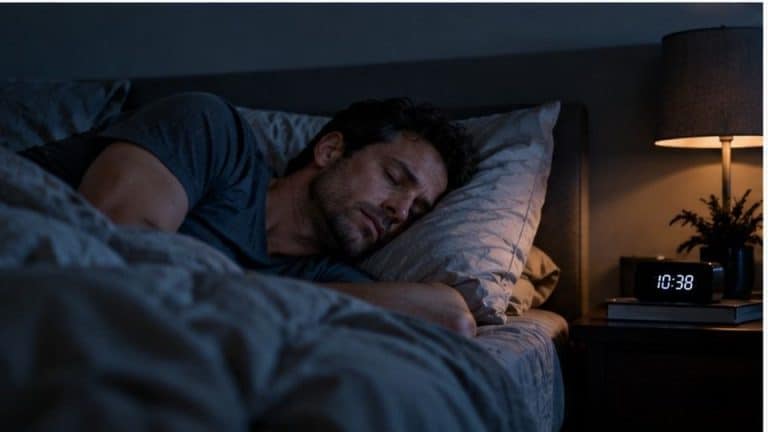
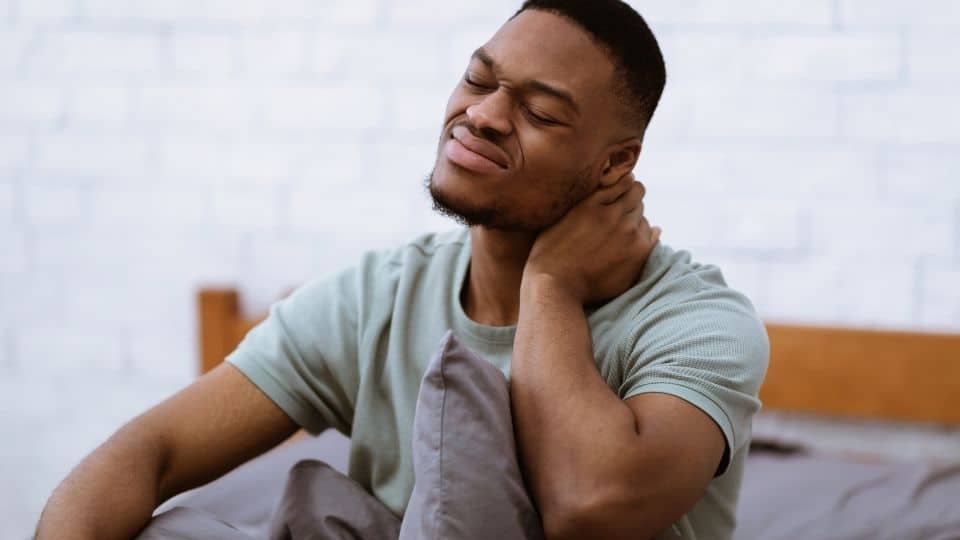
Zoloft and alcohol are a poor combination. One drink is unlikely to cause a medical emergency, but drinking while taking Zoloft (sertraline) can deepen drowsiness, blunt the medication’s effect on your mood, and make depression and anxiety disorders harder to treat. If you are drinking to get through the same low moods the prescription was meant to fix, that pattern matters more than any single night, and it is the kind of problem depression treatment for men looks at alongside the drinking.
Can You Drink on Zoloft?

Zoloft is a commonly prescribed antidepressant in a class called selective serotonin reuptake inhibitors (SSRIs). The FDA approves it to treat conditions including depression, obsessive-compulsive disorder, panic disorder, PTSD, social anxiety disorder, and premenstrual dysphoric disorder [1]. It works by keeping more serotonin available to the brain’s serotonin receptors, which over several weeks supports steadier mood regulation and emotional stability.
The prescribing label reports that in healthy volunteers, Zoloft did not increase alcohol’s effects on thinking and coordination. That finding came from people without depression, in a controlled setting, and it does not make combining Zoloft and alcohol safe for a man who is actually being treated. The same question comes up with Lexapro and other SSRIs; the answer for Lexapro and alcohol runs along similar lines.
Federal guidance is more direct. The Dietary Guidelines for Americans, 2025 to 2030, advise people taking medications that interact with alcohol, and people in recovery from alcohol use disorder, to avoid alcoholic beverages entirely [2]. That edition dropped the old numeric limits on alcohol consumption for moderate drinking and now tells everyone to consume less alcohol for better overall health. So the short answer: you can physically consume alcohol while taking Zoloft, but the medical advice is to avoid it, and even moderate drinking or an occasional drink works against the reason you started the medication. If you are trying to understand why a few drinks calm you down tonight and wind you up tomorrow, our guide to alcohol and anxiety explains the rebound in plain terms.
What Happens When You Mix Zoloft and Alcohol
Mixing Zoloft and alcohol affects three things: your mood, your alertness, and in some cases your memory and behavior. How alcohol affects mood is the part that shapes your mental health over months, not hours.
Mood, Anxiety and Whether Zoloft Works
Alcohol can complicate antidepressant treatment. NIAAA reports that alcohol may reduce antidepressant response, decrease medication adherence, and worsen depression over time [3]. That does not mean a drink instantly switches Zoloft off, but regular or heavy drinking can make depression or anxiety harder to evaluate and manage.
Mood or anxiety symptoms that worsen after drinking may come from the underlying mental health condition, alcohol-related effects, poor sleep, withdrawal or a combination of factors. The anxious, restless feeling that can occur the next day is covered in our chapter on the morning after a night of drinking.
If Zoloft seems less effective, alcohol use is worth discussing with the prescriber before assuming the dose itself is the problem.
Drowsiness, Dizziness and Impaired Judgment
Both substances affect the central nervous system. NIAAA lists drowsiness and dizziness as side effects that alcohol can intensify in people taking antidepressants. MedlinePlus warns that sertraline itself may make you drowsy, advises against driving or operating machinery until you know how it affects you, and notes that alcohol can make its side effects worse [4].
The result can be enhanced drowsiness on top of alcohol’s own impaired judgment and impaired coordination. Add difficulty concentrating, and the combined effects are potentially dangerous for a man who drives or runs equipment for a living. NIAAA’s list of harmful interactions from mixing alcohol with medicines names Zoloft directly, listing drowsiness, dizziness, an increased risk for overdose, and increased feelings of depression or hopelessness [5]. Heavy drinking brings its own dangers, including slowed breathing, and these do not become safer on an antidepressant.
Memory Gaps and Out-of-Character Behavior
A 2014 paper by David Menkes and Andrew Herxheimer reviewed reports of unexpected intoxication in people using SSRIs or related antidepressants while drinking alcohol [6]. Of 201 reports that contained enough detail to evaluate, the authors identified 100 cases of pathological intoxication marked by unexpected or gross disinhibition. Memory impairment was prominent in 53 of those 100 cases [6].
These were case reports, not a controlled study, so they cannot show how common the reaction is, prove that the medication caused it, or define how many drinks create the risk. The paper is best treated as a safety signal that unusual disinhibition or memory loss after drinking on an antidepressant should be taken seriously.
Is Serotonin Syndrome a Risk?
Serotonin syndrome is one of the dangerous reactions linked to SSRIs, caused by too much serotonin activity. The Zoloft label lists it as a warning when sertraline is combined with other serotonergic drugs, such as triptans for migraines, tramadol, fentanyl, lithium, amphetamines, and St. John’s wort, and advises stopping those drugs immediately if symptoms appear [1]. Alcohol is not on that list.
The more realistic danger is what comes with drinking: other medications, sleep aids, or drugs taken on the same night. Some antidepressants carry risks that Zoloft does not; Wellbutrin and alcohol is the clearest example, because of seizure risk. Tell your prescriber or another healthcare professional about every substance you use, including alcohol, other medicines, and over-the-counter products.
Your liver matters here too. Sertraline is processed mainly by the liver, and the label advises against using it in moderate or severe liver impairment. Long-term alcohol use adds liver stress, which is one more reason to share your full medical history with the person prescribing.
What to Do If You Have Been Drinking on Zoloft

Do not drive or operate machinery while impaired by alcohol, and do not change your Zoloft dose specifically because you drank unless a prescriber or pharmacist advises you to. If you are unsure whether your symptoms or alcohol intake require medical attention, contact a health professional or Poison Control for individualized guidance.
Do Not Skip a Dose to Drink
Skipping Zoloft to make room for alcohol does not work. The Zoloft label puts the average half-life of sertraline at about 26 hours, so the medication is still in your system for several days after a dose. People taking sertraline who stop suddenly can also get withdrawal symptoms such as nausea, sweating, irritability, dizziness, and low mood, which is why the label recommends a gradual reduction rather than abrupt cessation. Dose changes need medical guidance from your prescriber, not a weekend plan.
When to Get Help Right Away
Call 911 if someone who has been drinking on Zoloft is hard to wake, confused, vomiting repeatedly, breathing slowly, or has had a seizure. Seek emergency care for high fever, muscle rigidity, a racing heart, or swings in blood pressure, which the label lists among the signs of serotonin syndrome, especially if other drugs were involved. If drinking has brought on thoughts of suicide, call or text 988 to reach the 988 Suicide and Crisis Lifeline.
When the Drinking Is the Bigger Problem
For some men, the question is not whether one beer is safe. It is why avoiding alcohol has become so hard. Drinking to sleep, drinking to take the edge off, and drinking more than planned are signs that alcohol use has moved past habit toward alcohol addiction, even in men who still show up to work every day. Our post on the signs of functional alcoholism lays out what that looks like.
Depression and substance use disorders, including alcohol use disorder, often show up together, and each one can make the other harder to treat. NIAAA reports that people who binge drink are twice as likely as non-drinkers to have had suicidal thoughts in the past year [3]. That higher risk matters for any man already being treated for depression. Depression in men does not always look like sadness either. It can look like anger, numbness, or working until there is nothing left, and there is a full breakdown of how depression shows up in men here. Early treatment for both conditions, handled together, gives Zoloft a fair chance to do its job.
Zoloft and Alcohol Frequently Asked Questions
Can I Have One Drink on Zoloft?
The sources used here do not establish a universally safe number of drinks while taking Zoloft. Federal dietary guidance advises people taking medications that interact with alcohol to avoid alcoholic beverages [2]. Alcohol may increase antidepressant side effects such as drowsiness and dizziness and may reduce antidepressant response [3]. A prescriber or pharmacist can give advice based on the specific medication, health history, and drinking pattern.
How Long After Taking Zoloft Can I Drink?
There is no safe waiting window. Sertraline has an average half-life of about 26 hours, so taking your dose in the morning and drinking at night does not separate the two. The medication stays in your body for several days. If you plan to drink alcohol at all, talk it through with your prescriber first.
Can I Skip Zoloft for a Day to Drink?
No. Skipping a dose will not clear sertraline from your system, because it lingers for days. Missing doses can also bring on discontinuation symptoms like irritability, dizziness, and low mood, and it can destabilize mood you have worked to steady. Take the medication as prescribed and raise any drinking plans with your prescriber.
Does Alcohol Stop Zoloft From Working?
Alcohol does not switch Zoloft off, but it can work against it. NIAAA reports that alcohol may reduce antidepressant response and worsen depression over time. Men who drink regularly on Zoloft can find their mood symptoms harder to control. If the medication seems less effective, your drinking is worth discussing honestly with your provider.
If alcohol has become the thing you reach for while your mood keeps sliding, it may be time for more than a prescription. Into Action Arizona offers alcohol rehab for men in Arizona that treats drinking and depression together, with structure and men who understand what you are working through.
This article is for informational purposes only and is not a substitute for professional medical advice, diagnosis, or treatment.
Sources
- Viatris Specialty LLC. ZOLOFT (sertraline hydrochloride) tablets and oral solution, full prescribing information. DailyMed, U.S. National Library of Medicine. Revised August 2023. https://dailymed.nlm.nih.gov/dailymed/drugInfo.cfm?setid=fda754f6-d0f3-4dce-a17a-927d64f912f7
- U.S. Department of Health and Human Services and U.S. Department of Agriculture. Dietary Guidelines for Americans, 2025-2030. January 2026. https://cdn.realfood.gov/DGA.pdf
- National Institute on Alcohol Abuse and Alcoholism. Alcohol-Medication Interactions: Potentially Dangerous Mixes. Core Resource on Alcohol. Last updated May 8, 2025. https://www.niaaa.nih.gov/health-professionals-communities/core-resource-on-alcohol/alcohol-medication-interactions-potentially-dangerous-mixes
- MedlinePlus, U.S. National Library of Medicine. Sertraline. Last revised October 15, 2025. https://medlineplus.gov/druginfo/meds/a697048.html
- National Institute on Alcohol Abuse and Alcoholism. Harmful Interactions: Mixing Alcohol With Medicines. NIH Publication No. 13-5329, revised 2014. https://www.niaaa.nih.gov/publications/brochures-and-fact-sheets/harmful-interactions-mixing-alcohol-with-medicines
- Menkes DB, Herxheimer A. Interaction between antidepressants and alcohol: signal amplification by multiple case reports. International Journal of Risk and Safety in Medicine. August 2014. https://journals.sagepub.com/doi/10.3233/JRS-140632