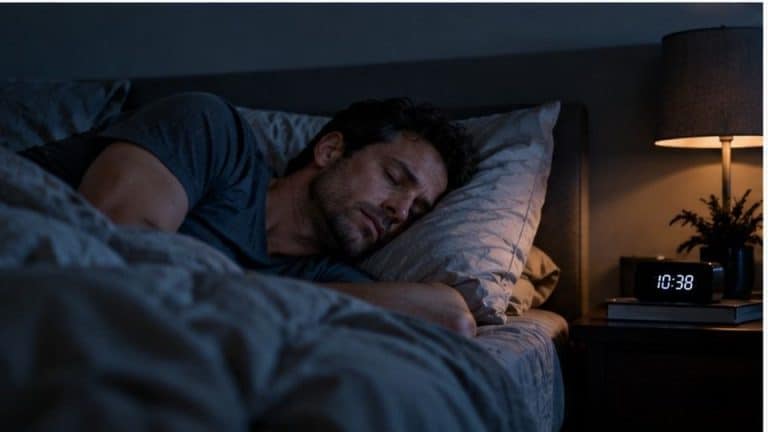

Hangxiety is the anxiety and dread that can hit the morning after a night of drinking. It is not a clinical diagnosis. It is a popular name for a real pattern: the brain rebounds as alcohol leaves the body, and that rebound can feel like panic. For some men it passes by lunch. For others, it is a sign that drinking and anxiety have started to feed each other, which is the pattern anxiety treatment for men is built to address.
What Is Hangxiety?

The word blends “hangover” and “anxiety.” It is not a diagnosis in the manuals clinicians use, but the National Institute on Alcohol Abuse and Alcoholism (NIAAA) lists anxiety and irritability among common hangover symptoms, alongside headache, muscle aches, nausea, and sweating [1].
The emotional symptoms tend to include excessive worry, regret, and a sense of doom with no clear cause. Physical hangover symptoms such as a pounding heart and shaky hands can make those anxious thoughts feel like an emergency.
Hangover anxiety is one piece of a bigger picture. Our guide to alcohol and anxiety covers how drinking can calm anxiety for an hour and raise it for a day, and how that cycle builds over months of alcohol consumption.
Why Do I Feel Anxious After Drinking?
Post-drinking anxiety usually has several causes at once: brain chemistry, broken sleep, physical recovery, and memory.
Brain Chemistry and the Mini Withdrawal
Alcohol affects several brain systems involved in inhibition, excitation, reward and stress. GABA and glutamate are two important neurotransmitters in that process, but they do not explain every part of a hangover by themselves.
NIAAA describes the morning-after effect more simply: alcohol may make a person feel calmer or more relaxed while drinking, but the brain begins adjusting to those effects. When the buzz wears off, some people feel more restless and anxious than they did before drinking, a process NIAAA describes as a “mini-withdrawal” [1].
With prolonged heavy alcohol exposure and physical dependence, more substantial nervous-system adaptations can develop. Those changes help explain why true alcohol withdrawal can produce severe anxiety, tremor, agitation, and seizures [2].
Poor Sleep, Dehydration and an Upset Stomach
Alcohol affects sleep in a way that feeds anxiety. NIAAA notes that people may fall asleep faster after drinking alcohol, but their sleep is fragmented and they tend to wake up early. The sleep deprivation that follows can leave a man with trouble concentrating and worry he cannot shut off.
Alcohol also causes mild dehydration and irritates the stomach, so thirst and an upset stomach arrive with the dread. Low blood sugar and stress hormones such as cortisol get named as causes too, but NIAAA’s hangover fact sheet lists neither, so treat them as unproven.
Worry About the Night Before
Anxiety the next morning is not always purely physical. Some people also worry about what they said or did while drinking, particularly if their memory of the night is incomplete. Those experiences can add to morning-after distress, although the current evidence does not establish them as a universal cause of hangxiety.
Research does suggest that social inhibition matters. A 2019 naturalistic study found that highly shy participants had a significant increase in anxiety the morning after drinking, and greater next-day anxiety was associated with higher AUDIT scores in that highly shy group [3]. Shyness is not the same diagnosis as social anxiety disorder, but the finding suggests that some socially anxious or inhibited people may be especially vulnerable to next-day anxiety.
Who Gets Hangxiety Worse?

Two men can drink the same amount and wake up very differently. A few contributing factors stand out.
Shy Men and Social Drinkers
A 2019 study by Beth Marsh and colleagues, published in Personality and Individual Differences, followed 97 social drinkers at home [3]. Fifty drank as they normally would, and 47 stayed sober. In highly shy participants, drinking slightly eased anxiety that night, and anxiety rose significantly the next morning.
In that highly shy group, the size of the next-day spike also tracked with scores on a screening test for alcohol use disorder. The authors suggested hangover anxiety could be a warning marker for alcohol problems in shy drinkers, who may start drinking to get through social situations.
Men With Anxiety or Heavy Drinking Patterns
NIAAA reports that anxiety-like symptoms can follow a single heavy drinking episode, can increase between drinking episodes, and can reach high levels during alcohol withdrawal [4]. It also reports that 20 to 40 percent of people treated for anxiety disorders have alcohol use disorder. Alcohol is commonly used to cope with anxiety, NIAAA notes, but the short-term relief ends up escalating both the anxiety and the drinking. That is a hard setup for a man with underlying mental health conditions.
Binge drinkers take a bigger gamble each night. NIAAA defines binge drinking for men as about five or more alcoholic drinks in roughly two hours.
If You Take an Antidepressant
The chapter on Lexapro and alcohol covers what drinking does to SSRI treatment, including mornings like these. NIAAA’s guidance on alcohol and medications notes that alcohol can increase antidepressant side effects such as drowsiness and dizziness, may reduce how well the medication works, and worsen depression over time [5].
Rough mornings also make the job harder for the doctor managing the prescription. Low mood and anxiety could be coming from the underlying condition, from the drinking, or from the rebound, and it is hard to tell whether a medication is working while that cycle repeats every weekend. Sertraline raises the same questions, and the chapter on what happens when you drink on Zoloft walks through them.
When Hangxiety Starts and How Long It Lasts
NIAAA says hangover symptoms peak around the time blood alcohol concentration returns to about zero and can last 24 hours or longer [1]. There is no single hour when hangxiety begins or ends for everyone.
Anxiety that persists longer deserves more attention, especially when it occurs with shaking, sweating, a racing heart, marked agitation, hallucinations or seizures after reducing or stopping heavy alcohol use. Those symptoms can occur with alcohol withdrawal rather than an ordinary hangover [2][6]. Duration by itself is not enough to make that distinction.
What Helps and What Does Not
The first answer is also the least welcome one.
There Is No Hangxiety Cure
NIAAA is direct: there is no cure for a hangover other than time. Coffee and a cold shower may make a man feel more awake, but they do not speed recovery, and no remedy has been scientifically proven. Pills and supplements sold as a hangxiety cure fall into that group.
Be careful with pain relievers. NIAAA warns that alcohol and acetaminophen together can be toxic to the liver, and that aspirin and ibuprofen can irritate the stomach.
What You Can Do While It Passes
There is no proven treatment that makes a hangover end faster [1]. Time is the main factor. Drinking water may help with thirst caused by mild dehydration, and eating may be reasonable if a man feels able to tolerate food, but neither has been shown to cure hangxiety.
NIAAA specifically notes that electrolyte-rich sports drinks have not been shown to reduce hangover severity [1]. Relaxation techniques or a quiet walk may help someone cope with ordinary anxious feelings, but they should be understood as comfort measures rather than treatments for the hangover itself.
If shaking, sweating, a racing heart, severe agitation or other symptoms suggest alcohol withdrawal instead of an ordinary hangover, self-care is not the right substitute for medical assessment.
The surest way to prevent a hangover is to avoid one by not drinking or keeping alcohol intake low [1]. For a man taking a longer break, the quitting alcohol timeline explains what recovery can look like over time.
Why Hair of the Dog Makes It Worse
A morning drink can quiet hangover anxiety for an hour. NIAAA notes that drinking more might briefly ease symptoms but can prolong the hangover, and the rebound restarts once the effects wear off again.
Needing a drink in the morning to stop the shakes or calm the nerves is a warning sign. NIAAA’s list of alcohol use disorder symptoms includes withdrawal symptoms such as shakiness, restlessness, sweating, or a racing heart as alcohol wears off [6]. Some men who do this still hold a job, which is why the signs of functional alcoholism are worth reading.
When Hangxiety Signals Something Bigger
An occasional rough morning after a big night is common. A pattern is something else.
An Anxiety Disorder or Depression Underneath
If feelings of anxiety show up on sober days too, alcohol may be covering an anxiety disorder or other mental health conditions. NIAAA recommends building a timeline of when symptoms began and how they looked during long stretches without drinking. Ongoing feelings of dread that turn into thoughts of suicide need help now: call or text 988 for the 988 Suicide and Crisis Lifeline, or call 911 in an emergency.
Depression can hide in men as irritability or numbness, and the signs of depression in men are worth checking against.
A Drinking Problem
NIAAA lists 11 symptoms of alcohol use disorder, and two or more in the past year meet the criteria. They include drinking more than intended, failing to cut back, and drinking despite mental health issues it causes or worsens. Hangxiety that keeps increasing feelings of dread and pushes a man toward more alcohol to fix it is a reason to look honestly at how much alcohol he drinks. Alcohol abuse and alcohol dependence are older names for alcohol use disorder.
Morning Shakes and Sweats
Shaking, sweating, a fast heartbeat, and intense anxiety after drinking heavily for days or weeks can be alcohol withdrawal. Take those physical symptoms seriously. Withdrawal seizures typically occur between 8 and 48 hours after stopping, and severe withdrawal can be life-threatening. A man in that situation should not stop drinking cold turkey on his own. He needs medical attention; call 911 for a seizure or confusion.
Some medications raise the stakes. Bupropion may lower the seizure threshold, so Wellbutrin’s seizure risk with drinking is worth reviewing with a prescriber.
Hangxiety Frequently Asked Questions
Is Hangxiety a Real Condition?
Hangxiety is not a formal diagnosis, but the anxiety is real. NIAAA lists anxiety and irritability among hangover symptoms and describes a mini withdrawal that leaves people more restless and anxious after drinking. Men who experience anxiety often, including on days without alcohol, should ask a doctor about an anxiety disorder.
How Long Does Hangxiety Last?
Hangxiety usually starts as blood alcohol drops and peaks around the time it reaches zero. NIAAA says hangover symptoms can last 24 hours or longer. Anxiety that runs two or three days after heavy drinking, especially with shaking or sweating, may be alcohol withdrawal and needs medical attention rather than waiting it out.
Why Do I Get Hangover Anxiety When My Friends Do Not?
People react differently to the same night. The 2019 Marsh study found that highly shy drinkers had a significant rise in anxiety the morning after drinking. NIAAA reports that anxiety-like symptoms can build with repeated heavy drinking, so men who drink hard and often, or who already live with anxiety, may feel it more.
If hangxiety has become a regular part of your week, the drinking deserves a closer look. Into Action Arizona offers alcohol rehab for men that treats anxiety and drinking together, with the structure, accountability, and brotherhood that help men do the work.
This article is for informational purposes only and is not a substitute for professional medical advice, diagnosis, or treatment.
Sources
- National Institute on Alcohol Abuse and Alcoholism. Hangovers. Updated December 2025. https://www.niaaa.nih.gov/publications/brochures-and-fact-sheets/hangovers
- Canver BR, Newman RK, Gomez AE. Alcohol Withdrawal Syndrome. StatPearls, NCBI Bookshelf, U.S. National Library of Medicine. Last updated February 14, 2024. https://www.ncbi.nlm.nih.gov/books/NBK441882/
- Marsh B, Carlyle M, Carter E, Hughes P, McGahey S, Lawn W, Stevens T, McAndrew A, Morgan CJA. Shyness, alcohol use disorders and ‘hangxiety’: A naturalistic study of social drinkers. Personality and Individual Differences. 2019;139:13-18. https://www.sciencedirect.com/science/article/abs/pii/S0191886918305762
- National Institute on Alcohol Abuse and Alcoholism. Mental Health Issues: Alcohol Use Disorder and Common Co-occurring Conditions. Core Resource on Alcohol. Last revised May 8, 2025. https://www.niaaa.nih.gov/health-professionals-communities/core-resource-on-alcohol/mental-health-issues-alcohol-use-disorder-and-common-co-occurring-conditions
- National Institute on Alcohol Abuse and Alcoholism. Alcohol-Medication Interactions: Potentially Dangerous Mixes. Core Resource on Alcohol. Last revised May 8, 2025. https://www.niaaa.nih.gov/health-professionals-communities/core-resource-on-alcohol/alcohol-medication-interactions-potentially-dangerous-mixes
- National Institute on Alcohol Abuse and Alcoholism. Understanding Alcohol Use Disorder. Updated January 2025. https://www.niaaa.nih.gov/publications/brochures-and-fact-sheets/understanding-alcohol-use-disorder