If you have never been to group therapy before, the idea of sitting in a circle with strangers and talking about your recovery can feel uncomfortable. Most people picture either a chaotic open share or a clinical lecture, and neither is quite right. Group sessions inside an intensive outpatient program are structured, topic-driven, and led by trained clinicians who keep conversations productive and safe. Each session follows a theme of IOP group topics, builds on the previous one, and gives clients real tools they can use that same week.
Knowing what gets discussed in IOP groups can take a lot of the unknown out of the experience. Here is a look at the most common topics, how groups are organized, and why this format tends to work so well for people in early recovery.
What Happens in IOP Group Sessions

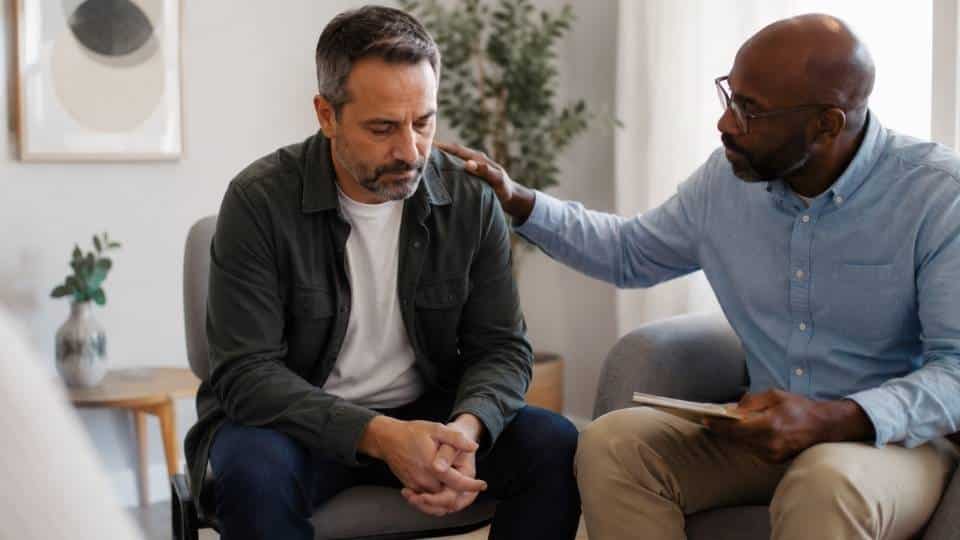
A typical IOP group runs for 60 to 90 minutes and includes anywhere from 6 to 12 clients led by a licensed counselor or therapist. Sessions usually open with a check-in, move into a structured topic or skill, and close with a takeaway or commitment for the week ahead.
How Groups Are Structured
Most IOPs use a rotating curriculum, meaning each day of the week covers a different theme. By the end of an 8 to 12-week program, you will have worked through dozens of topics, often multiple times from different angles. That repetition is intentional. Recovery skills do not stick after one session; they have to be practiced, revisited, and built into muscle memory.
For a feel of what active groups can actually look like inside a quality program, this overview of 10 men’s group activities in recovery breaks down the kinds of exercises clinicians use to keep groups engaged and productive. Most group schedules are designed around working adults, for more on how that flexibility plays out, see our article on whether you can work while in IOP.
Men’s Treatment in Arizona
Find the Right Level of Care
Residential Treatment Program
Live on-site in a men-only inpatient setting in Laveen Village. During treatment, we focus on structure, brotherhood, and clinical care built for lasting sobriety.
Tour Our Phoenix CenterIntensive Outpatient Program
Continued care for men who need real accountability while keeping work and home life intact. A strong step down from residential or a serious starting point.
Explore the Scottsdale IOPCore IOP Group Topics
Most programs organize their curriculum into broad categories. Here is a look at the major buckets and what tends to live inside each one.
| Topic Category | Common Sessions Inside | Skills Built |
|---|---|---|
| Recovery Education | Brain chemistry, stages of change, withdrawal, cravings | Self-awareness and biological understanding |
| Emotional Regulation | Anger, shame, grief, vulnerability, emotional numbing | Identifying and managing feelings |
| Relationships and Family | Communication, boundaries, codependency, repairing trust | Healthy connection and conflict skills |
| Relapse Prevention | High-risk situations, urge surfing, warning signs, relapse plans | Practical prevention strategies |
| Lifestyle and Wellness | Sleep, nutrition, exercise, structure, hobbies | Daily habits that support sobriety |
| Spirituality and Meaning | Higher power, purpose, values, gratitude | Internal motivation and resilience |
The exact lineup varies by program, but these six categories make up the backbone of nearly every IOP curriculum in the country.
Recovery Education
Early sessions tend to focus on the science of addiction. Clients learn how substances affect the brain’s reward system, why willpower alone rarely works, and what to expect as the body and mind heal. Understanding the biology removes a lot of shame and helps clients see that they are not broken; they are dealing with a treatable medical condition.
Emotional Regulation
This is often the most surprising part of treatment for new clients. Many people use substances to manage feelings they were never taught to handle. Groups in this category focus on identifying emotions, sitting with discomfort, and learning evidence-based tools like grounding, mindfulness, and DBT distress tolerance skills.
For clients who grew up being told to suppress emotions, this work can feel especially foreign. The article on why men hide their feelings is worth reading before starting IOP, since emotional honesty is one of the biggest predictors of long-term recovery.
Relationship and Family Dynamics
Substance use damages relationships. Group sessions in this category cover communication patterns, setting healthy boundaries, repairing trust, recognizing codependency, and understanding how family systems either support or sabotage recovery. Many clients also attend separate family sessions alongside this group work.
Relapse Prevention and Triggers
These groups are deeply practical. Clients map their personal triggers, identify high-risk people and situations, practice refusal skills, and create written relapse prevention plans. By the end of IOP, every client should be able to articulate exactly what their warning signs look like and what they will do when they show up.
Skill-Based Group Topics

Beyond the major categories, IOPs typically include rotating skill-building sessions. These are the practical, in-the-moment tools clients will use the same week they learn them.
- Cognitive behavioral therapy (CBT) techniques for changing thought patterns
- Dialectical behavior therapy (DBT) skills for managing intense emotions
- Mindfulness and grounding exercises for cravings
- Assertive communication and saying no to social pressure
- Time management and structuring a day without substances
- Sleep hygiene and managing post-acute withdrawal symptoms
- Financial recovery and rebuilding stability
- Identifying and processing trauma in a safe, paced way
Skill-based groups are usually more interactive than discussion groups. Expect role-plays, worksheets, partner exercises, and homework that carry over between sessions.
Process-Oriented Group Themes
Process groups are less about teaching a skill and more about exploring what is actually happening inside each client right now. The topics tend to feel deeper and more personal.
- Shame and the stories we carry about ourselves
- Grief over the time, relationships, or opportunities lost to addiction
- Resentments and how holding them fuels relapse
- Identity beyond addiction, including what a sober self looks like
- Vulnerability and the fear of being truly seen
- Forgiveness, both of self and of others
- Meaning, purpose, and connection to something larger
- Hope, hopelessness, and the swings between them
This is also where spiritual themes often surface. Many people in recovery find that connection to a higher power, however they define it, becomes a source of strength. The article on spirituality in recovery and connecting with a higher power explores how this works without being tied to any specific religion.
Why Group Therapy Works in IOP
Some clients walk in skeptical of group work, especially if they tend to be private or independent. By the third or fourth session, most of them are believers. Group therapy works for reasons that one-on-one counseling cannot replicate.
It normalizes the experience. Hearing someone else describe your exact thoughts, fears, or behaviors makes the shame loosen its grip. It also provides immediate feedback from people who know what you are going through, accountability that you cannot get alone, and modeling from clients further along in their recovery. The team at Into Action Recovery sees this dynamic play out daily; the group itself becomes part of the medicine.
Group work is one of the biggest structural differences between IOP and standard weekly counseling, our comparison of IOP vs therapy explains how the two formats deliver care differently.
What to Expect on Your First Day
You will probably feel nervous. That is normal. Most groups open with a short check-in, often a one-word feeling and a one-sentence intention for the session. You are not required to share anything you are not ready for. Listening counts, and most clinicians actively protect new members from being pressured to disclose too much too soon. By the second week, most clients are participating naturally without realizing it happened.
For clients who need a higher level of support before IOP, beginning at a residential treatment program in Phoenix gives them time to stabilize before joining the more independent IOP group format. If you are still deciding whether outpatient group work will be enough or whether you need a residential setting, our comparison of IOP vs inpatient rehab breaks down what each level offers.
IOP Group Topics: Frequently Asked Questions
Do I have to share personal details in a group?
No. Clinicians never force disclosure. You can pass, listen, or speak in general terms during your first weeks. Most clients open up gradually as trust builds. The goal is honest participation at your own pace, not forced confession. Listening to others share is itself a form of therapeutic engagement.
How big are IOP groups?
Most quality programs cap groups at 8 to 12 clients to balance peer support with individual attention. Larger groups dilute the depth of conversation, while smaller groups can feel exposed. If a program tells you their groups regularly run with 20 or more clients, that is a sign to look elsewhere.
Can I attend the same groups for the entire program?
Yes, and most clients do. Staying with the same core group throughout IOP builds trust, deepens conversation, and lets the clinician track your progress over time. Some programs also offer specialty groups like trauma, grief, or family that meet less often as supplements to the main schedule. Group topics in partial hospitalization tend to overlap heavily with IOP but are delivered in longer daily blocks, our guide to the difference between IOP and PHP compares the two formats.
Find an IOP Group That Fits Where You Are
Group therapy in IOP is not a lecture, and it is not group venting. It is a structured, clinically guided process built around topics that actually move your recovery forward. If you want to know exactly what a typical week looks like inside a strong program, reach out to the intensive outpatient program in Scottsdale today and ask about current group schedules, topics, and openings. The right group can change everything.