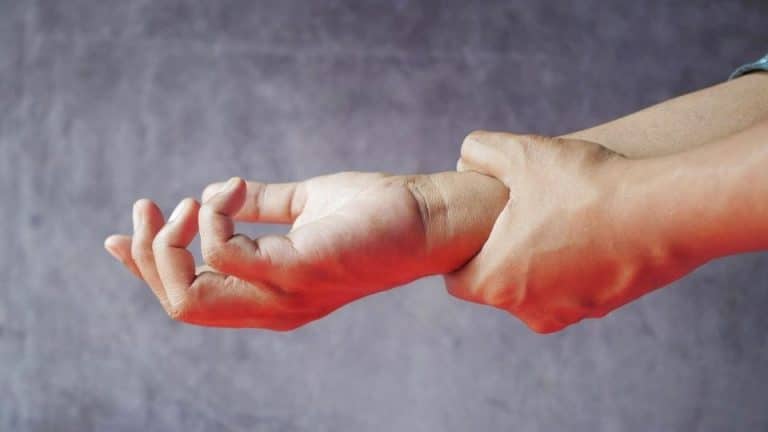
Methamphetamine can change how someone looks over time, and in some cases, visible changes may appear within months of heavy or repeated use. The term “meth face” describes the cluster of changes, including skin damage, sores, and signs of premature aging, that often appear with regular meth use. These changes can be distressing for the individual and for those who care about them. Understanding what causes them can make all the difference when it comes to recognizing a problem early and seeking help. If you or a loved one is struggling, structured drug rehab in Phoenix can help address both the physical and psychological sides of meth addiction.
This article looks at how meth use affects the skin, mouth, and appearance, why it happens, and what recovery looks like. Many of these physical effects can improve over time with medical care and treatment, so acting early matters for a person’s health and daily life.
What Is Meth Face?
Meth face is not a medical diagnosis but a common term for the way the face changes with ongoing methamphetamine use. The look is often associated with a gaunt, hollow appearance, sunken cheeks, sores, and skin that seems to have aged well beyond someone’s years.
Crystal meth is a powerful stimulant, and its effects reach far beyond the brain. The drug constricts blood vessels, disrupts sleep, suppresses appetite, and changes behavior in ways that all show up on the face over time. Meth comes in different forms, and smoking or injecting meth can deliver rapid, intense effects that are often followed by a crash.
Not everyone who uses meth will develop the same changes, and the speed and severity vary. Crystal meth is a stimulant much like cocaine, and our guide on what cocaine does to your body and brain covers how that class of drug affects the body and mind.
How Meth Use Affects the Skin
The skin is one of the first places where the effects of meth use can show. Methamphetamine restricts blood flow, reducing the oxygen and nutrients that reach skin tissue. It can then become dull, dry, and slow to heal.
Illicit meth may contain unknown contaminants, but meth-related skin damage is more commonly linked to dehydration, poor nutrition, poor hygiene, disrupted sleep, reduced blood flow, formication, and compulsive skin picking. Combined with these factors, the skin is more vulnerable to damage and infection. Over months of chronic use, the cumulative result can be severe physical change.
Meth Sores and Open Wounds
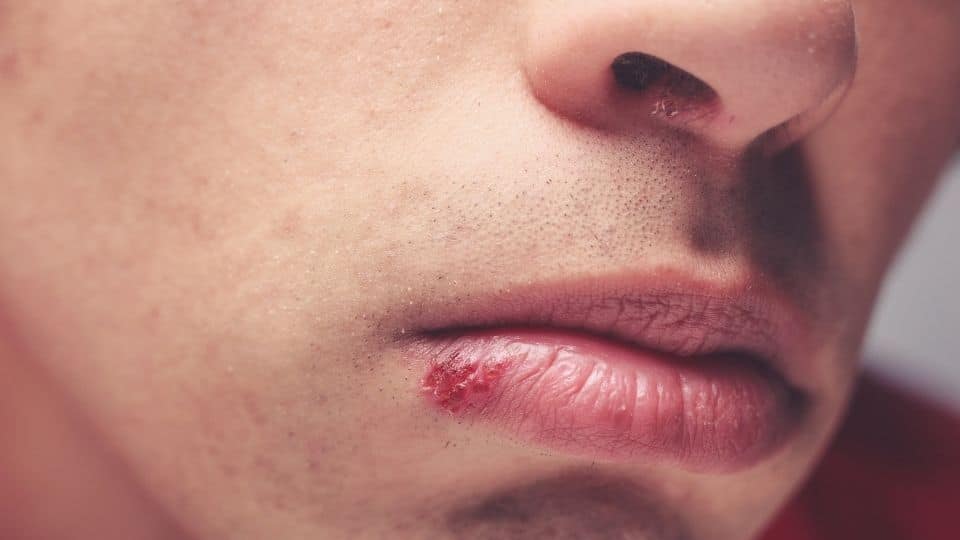
Meth sores are one of the most recognizable features of meth face. Meth sores often appear as red, inflamed patches on the skin, usually on the face, arms, and chest. These inflamed patches can become open sores, open wounds, and infected lesions if they are scratched repeatedly or left untreated. In short, meth causes severe skin damage and open sores that are slow to close.
Many of these skin sores result from compulsive scratching and skin picking. These skin sores can spread when the scratching continues. A frequent trigger is a sensation called formication, in which users feel as though bugs are crawling under their skin. This is a type of hallucination, and the compulsive scratching breaks the skin and slows healing. Poor hygiene also contributes to the development of meth sores, since neglected skin is more likely to become infected, and these meth sores can lead to lasting damage.
Meth sores may take weeks to months to heal after a person stops using, depending on severity, infection, nutrition, and wound care, and deeper meth sores may leave scars. With medical care, better personal hygiene, and time, the skin can recover, though some scars may remain. The skin picking that keeps reopening meth sores is one reason they linger.
Men’s Treatment in Arizona
Find the Right Level of Care
Residential Treatment Program
Live on-site in a men-only inpatient setting in Laveen Village. During treatment, we focus on structure, brotherhood, and clinical care built for lasting sobriety.
Tour Our Phoenix CenterIntensive Outpatient Program
Continued care for men who need real accountability while keeping work and home life intact. A strong step down from residential or a serious starting point.
Explore the Scottsdale IOPWhat Are Meth Mites?
“Meth mites” is the informal name for the imaginary bugs that some users feel crawling on or under their skin. There are no actual mites involved. The sensation comes from the way the drug affects the nervous system, and it can be intense enough to drive compulsive scratching.
This is where many meth sores begin. The skin picking that follows the feeling of meth mites creates the open sores and infected lesions described above. Recognizing this pattern can be one of the early signs that someone is struggling with crystal meth.
Meth Mouth: Dental Damage from Crystal Meth
Meth mouth refers to the severe tooth decay and gum disease that often accompany methamphetamine use. The damage can be advanced, and advanced dental damage from meth often requires extensive dental care and, in some cases, oral surgery.
Several factors combine to cause meth mouth. Crystal meth causes dry mouth, which reduces the saliva that normally protects teeth. Many meth users also grind their teeth while high, which wears down the enamel. The sugary drinks that users often crave speed up dental decay even further, and personal hygiene tends to slip during heavy use.
The result can be cracked, stained, and broken teeth, painful, swollen gums, and a hollow look around the mouth. Meth mouth can lead to irreversible tooth loss, and the dental issues it causes are among the hardest physical effects to reverse. Addressing these dental issues usually calls for help from both addiction specialists and dentists.
Accelerated Aging and the Meth Face Look
One of the most striking effects of crystal meth is accelerated aging. Some people may look noticeably older within months of heavy use, especially when weight loss, poor sleep, skin sores, and dental damage occur together. Deep wrinkles, sagging skin, sores, and dental damage combine to age the face rapidly.
This premature aging happens for several reasons working together. Reduced blood flow starves the skin of nutrients, poor nutrition and rapid weight loss hollow out the face, and disrupted sleep prevents the body from repairing itself. Together, these changes can alter facial fullness, skin quality, and the overall appearance of the face.
Physical Effects of Meth Addiction on the Body
The physical effects of meth addiction reach well beyond the face. Methamphetamine is a powerful stimulant that speeds up the whole body, and prolonged use places a strain that can lead to lasting harm.
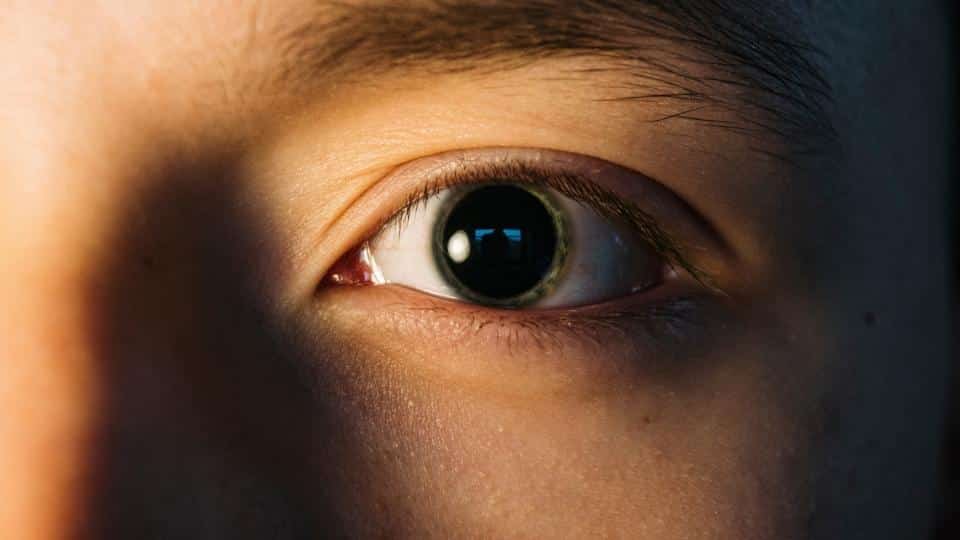
Common physical signs include significant weight loss from a suppressed appetite. Chronic users often develop a gaunt, hollow appearance throughout the body. Dilated pupils, a racing heart, and high blood pressure are also frequent.
- Weight loss and a gaunt, hollow appearance
- Meth sores, open wounds, and scars from scratching
- Dental decay and tooth loss
- Dilated pupils and disrupted sleep
- Greater risk of heart and blood vessel problems
The strain on the heart and blood vessels can lead to serious health problems, part of why meth addiction is so damaging to the body. Meth speeds the body up while opioids slow it down, and our article on whether heroin is a stimulant or a depressant explains the difference between the two drug classes.
Psychological Effects Experienced by Meth Users
The psychological effects of meth can be as serious as the physical ones, and the two often feed each other. Meth users frequently experience anxiety, paranoia, and mood swings, and heavy use can trigger symptoms that resemble mental illness.
Formication and the feeling of meth mites show how the drug distorts perception. These psychological effects can lead to behaviors, such as skin picking and neglect of personal care, that produce these changes. The lifestyle changes that come with meth addiction often lead to neglect of personal care and hygiene, which makes the physical decline worse.
Because meth can worsen or mimic mental health conditions, treatment that addresses both substance abuse and mental health works best. Programs that treat co-occurring conditions, often called dual diagnosis care, are designed for this overlap.
Common Signs of Meth Use
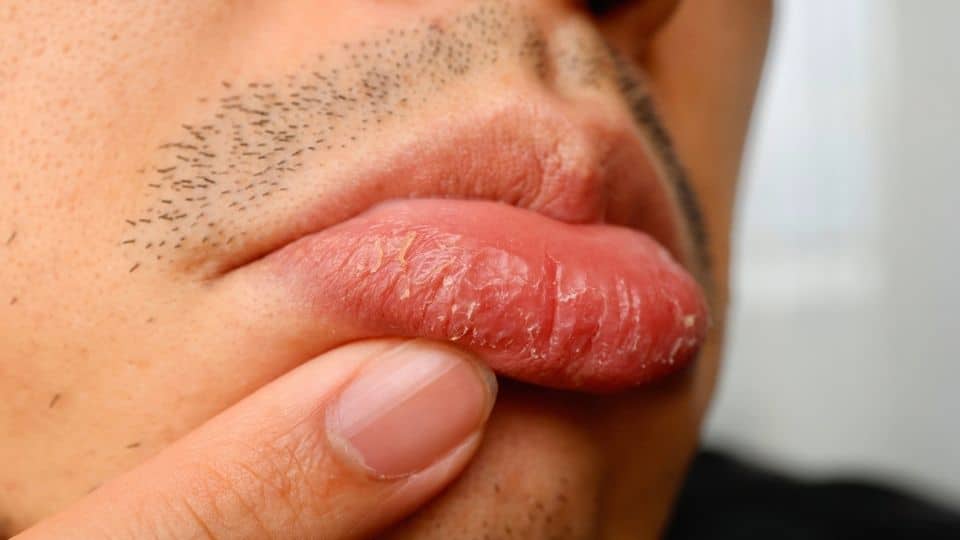
Recognizing meth use early can help someone get treatment before the damage becomes severe.
Visible signs on the body include meth sores, scabs, and the rapid weight loss described above. Behavioral changes such as staying awake for days, secrecy, and loss of interest in self-care are also common. No single sign proves meth use, but several signs together can justify a supportive conversation or professional guidance.
Other Signs of Meth Use in a Loved One
If you are worried about a loved one, the signs of meth use to watch for go beyond appearance. You might notice:
- Cracked lips and meth sores on the face or arms
- Dramatic mood changes and rising anxiety
- A decline in self-care and personal hygiene
- Money problems, missing items, and pulling away from family
Spotting these signs of meth use is not about blame. It is about opening a door to a conversation and, when someone is ready, professional help. Our residential treatment in Phoenix gives men a safe place to begin that process and rebuild their lives. Coded language can be another clue worth knowing, and our guide to the nicknames for cocaine breaks down the street names and slang to watch for.
How the Body Can Heal After Stopping Meth
Encouragingly, the body has a real capacity to heal once meth use stops. Meth sores often begin to close within weeks, though deeper sores take longer. With better nutrition, hydration, and rest, even painful skin sores can fade, and the skin can regain some of its color and health.
Dental damage usually needs professional repair, and certain scars may be permanent. The damage from crystal meth runs deep, yet many people see meaningful improvement in their skin, weight, and overall appearance during recovery. Stopping meth removes the ongoing source of harm, which gives the body the chance it needs to heal and helps a person reclaim daily life.
Recovery is rarely something someone can do alone. A structured addiction treatment program provides medical support during withdrawal, therapy to address the reasons behind the addiction, and a plan to prevent relapse.
Comparing the Visible Effects of Meth
The table below summarizes some visible effects of meth and how they respond once someone gets care.
| Visible Effect | What It Looks Like | Outlook With Recovery |
|---|---|---|
| Meth sores | Red, inflamed patches that can become open wounds | Often heal in weeks to months; some scars may remain |
| Meth mouth | Tooth decay, gum disease, broken teeth | Needs dental care; some damage may be permanent |
| Accelerated aging | Deep wrinkles, sunken cheeks, gaunt look | Skin and weight often improve over time |
| Weight loss | Thin, hollow body and face | Usually reverses with nutrition and rest |
| Dilated pupils | Wide pupils, tired eyes | Typically resolves as the drug’s acute effects wear off |
Outcomes vary by how long and how heavily someone used. For a closer look at how the drug changes the eyes, our guide on what meth eyes look like is a helpful companion.
Finding Help and Starting Recovery
Meth face and the other effects of crystal meth are signs of a body and mind under serious strain. Reaching out for support is a strong first step on the recovery journey, not a sign of weakness.
At Into Action Recovery, our compassionate team works with men who are ready to stop meth use and put meth addiction behind them, rebuilding their health and their lives. Treatment can include medically supported detox, therapy, and ongoing care through options such as our intensive outpatient program in Scottsdale. You can learn more about our full range of services on our main website.
If you want the bigger picture, our overview of methamphetamine addiction and the brain explains what the drug does beyond the skin. You can also read about whether you can overdose on methamphetamines and which addictions are hardest to quit. For a wider view, our guide to substance use disorder covers what to expect from professional care.
Meth Face: Frequently Asked Questions
How long does it take for meth face to develop?
The timeline varies. Some people show visible signs within a few months of heavy use, while others take longer. How the drug is used, overall health, nutrition, and hygiene all play a role. Because the changes can appear quickly, these changes are worth taking seriously.
Can meth face be reversed?
Many of the effects can improve once someone stops using and gets care. Meth sores often heal in weeks to months, and weight and skin tone tend to recover with good nutrition and rest. Dental damage and some scars may be harder to fully reverse, which is why timely treatment matters.
When should someone seek treatment for meth addiction?
The sooner the better. If you notice common signs such as meth sores, weight loss, dental issues, or major changes in behavior in yourself or a loved one, it is worth reaching out. Contact a treatment provider to talk through options. Acting early gives the body and mind more room to heal.
If you or someone you love is struggling with meth, help is available. Contact our team today to talk about treatment for addiction and take the first step toward recovery.