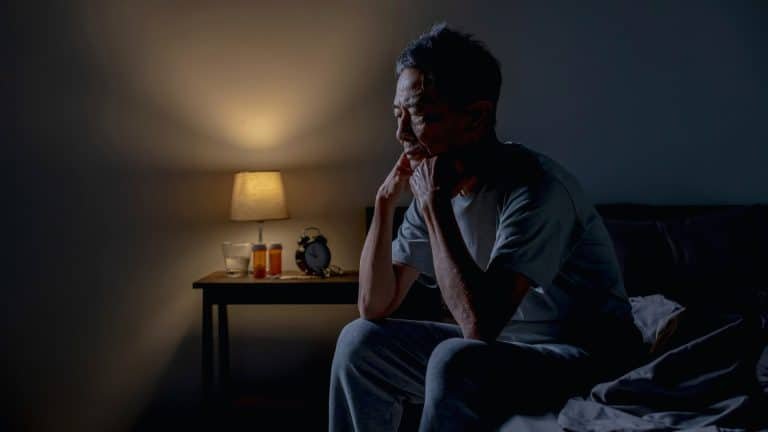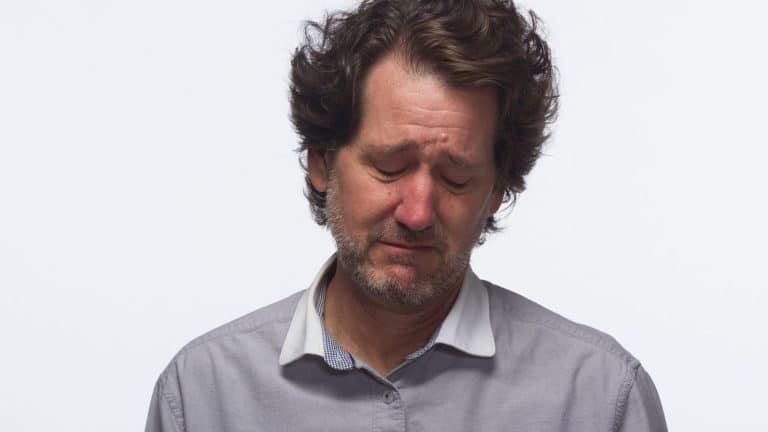

Have you noticed the man in your life withdrawing when he should talk about what bothers him? Do you often ask yourself why do men hide their feelings from the ones they love? If so, you are not alone in this struggle. Many men suppress emotions starting from a young age, creating barriers that affect mental health and relationship quality well into adulthood.
The problem for loved ones is that, without a healthy outlet for these hidden feelings to go, many men turn to drugs in a dangerous cycle where substance abuse disorder fuels mental health issues, and vice versa. This guide explores the psychology behind male emotional suppression and provides strategies to encourage vulnerability without pushing him away, with an eye toward getting professional help when you feel things have gotten out of control.
Quick Takeaways
- Men often convert sadness into anger because society accepts male aggression more readily than male vulnerability
- Suppressing emotions leads to increased anxiety, depression, substance abuse, and physical health problems
- Creating safe spaces and practicing patience helps men develop emotional intelligence over time
- Directly addressing hidden feelings requires respect for his timeline and avoiding judgment
Why Do Men Hide Their Feelings: The Roots of Male Emotional Suppression

Society shapes how boys learn to handle feelings long before they become men. Why do men hide their feelings? Because, from childhood, cultural norms reinforce messages that real men do not cry or admit fear. Parents, teachers, and peers often respond differently when boys versus girls express emotions. A young boy hearing “man up” or “boys don’t cry” internalizes these messages, believing emotional expression threatens his masculine identity.
This conditioning creates what psychologists call emotional regulation difficulties. Instead of learning healthy ways to identify and express the full range of human emotions, boys practice hiding vulnerability. They receive praise for physical toughness, while expressions of sadness or hurt earn criticism. These early experiences cement patterns that many men carry throughout life, affecting relationships and behavioral health.
Beyond Childhood Habits
The impact of this learned behavior extends past what is taught in childhood. Adult men who learned to suppress feelings often struggle to recognize their own emotional states as feelings become more complex. They may experience strong emotions but lack words to describe them. This sort of emotional illiteracy makes conversation about feelings challenging, even when they want to connect with you.
How Toxic Masculinity Damages Mental Health and Well-Being
Traditional masculine ideals create serious consequences for male psychological wellness. Research shows that men who strongly adhere to stereotypical gender norms show higher rates of depression, anxiety, and substance abuse. The American Psychological Association reports that men are 3.5 times more likely than women to die by suicide, though it’s hard to distinguish exactly how much of an effect masculine gender norms have compared to other risk factors associated with men.
Behavioral health professionals blame masculine norms and culture because they cause men to be less likely to seek help or express emotional distress. Studies have shown that men are much less likely to seek help for mental health issues than women are. In this way, toxic masculinity can be a significant barrier to treatment. Men prefer to act as though difficulties do not exist rather than admit they are struggling. This denial prevents them from accessing therapy, joining support groups, or even having honest conversations with family about their inner world.
Physical health for men also suffers when mental health conditions are left untreated. Suppressing emotions creates chronic stress that manifests in high blood pressure, heart disease, and weakened immune function. The body keeps score when the mind refuses to acknowledge pain. Some men turn to aggression, risky behaviors, or substance use as outlets for feelings they cannot otherwise process, creating additional health risks, addiction problems, and relationship issues.
Emotional Patterns in Men to watch for:
- Anger often masks sadness, fear, or hurt
- Withdrawal signals overwhelm, not disinterest
- Silence represents protection, not rejection
- Problem-solving replaces emotional processing
Why Do Men Hide Their Feelings While Converting Vulnerable Emotions Into Anger?

Have you wondered why your loved one seems angry when you know something deeper troubles him? Men frequently transform vulnerable feelings into anger because culture grants them permission to express this single emotion. Sadness makes them afraid of appearing weak. Fear contradicts the strong, stoic image society expects. But anger? Anger fits within acceptable masculine behavior.
This emotional conversion happens automatically for most men. They genuinely may not recognize the sadness underlying their irritation or the fear beneath their frustration. Years of practice hiding vulnerable emotions create neural pathways that bypass conscious awareness. By the time they feel anger, the original emotion has been suppressed so quickly that they are unaware it existed.
Partners and family members often misinterpret this pattern. They see anger and assume the person lacks empathy or does not care about their feelings. In reality, the anger often reflects deep feelings the man cannot access or express. Recognizing this pattern helps you respond with curiosity rather than defensiveness when he seems angry without a clear cause.
Signs He May Be Struggling With Hidden Feelings
Paying attention to behavioral changes can help you identify when your loved one needs support, even if he is not ready to talk directly.
These physical signs often indicate emotional distress:
- Watch for increased withdrawal from activities he previously enjoyed.
- Notice changes in sleep patterns, appetite, or energy levels.
There are also some behavioral signs to watch out for:
- Men with hidden feelings may become more irritable or impatient with minor frustrations. They might increase substance use or engage in riskier behaviors.
- Some men throw themselves into work or hobbies to avoid sitting with uncomfortable emotions. Others become unusually quiet or stop initiating conversation.
Trust your instincts as someone who knows him well. If something feels off, it probably is. Gently expressing concern without demands often opens dialogue. Try saying, “I have noticed you seem different lately, and I care about what is going on with you,” rather than accusing or pressuring him to talk. Also, don’t feel like this burden has to fall to you alone, especially if your loved one is in addiction recovery. Spiritual leaders can help you break through barriers, along with community support from others.
If you or a man you love is ready to kick addiction for good in Arizona, our substance abuse programs offer structure and discipline for men with focused inpatient care and substance-specific treatment options. “Get Into Action!”:
Or call us at: (480) 480-6686
5 Tips To Get Him To Open Up
Other tips to get the man in your life to open up include:
- Focus on timing and setting: Do not expect a deep emotional conversation immediately after stressful events or when he is tired. Choose calm moments in comfortable environments. Physical activity like walking side by side removes pressure from direct eye contact while promoting openness.
- Practice active listening without forcing solutions: Men tend to problem-solve rather than process feelings. When he shares, resist the urge to fix things. Simply hear what he says, validate his experience, and express empathy. Phrases like “that sounds really difficult” create safety without judgment.
- Share your own vulnerable emotions first: Model the behavior you want to encourage by honestly expressing your feelings. This demonstrates that emotional expression strengthens rather than threatens relationships. It also gives him words and frameworks for describing his internal experience.
- Ask specific questions instead of broad ones: “How are you feeling?” often gets “fine” as a response. Try “what was the hardest part of your day?” or “what thoughts keep coming up for you?” These questions guide him toward emotional territory without demanding immediate vulnerability.
- Respect his pace and celebrate small steps: Men who spent decades suppressing emotions will not suddenly become emotionally expressive. Acknowledge each instance of openness, no matter how minor it seems. This positive reinforcement helps him associate vulnerability with safety and connection rather than shame.
Why Do Men Hide Their Feelings? Frequently Asked Questions
How to deal with a man that doesn’t show emotion?
Create safe spaces for conversation without pressure or judgment. You should practice patience while modeling your own vulnerability first, and ask specific questions rather than broad ones about feelings. Engage during activities like walking instead of demanding direct eye contact and celebrate small steps toward openness. Importantly, you should consider suggesting therapy if emotional suppression affects his mental health or your relationship quality.
Why do men bottle up their emotions?
Cultural norms teach boys from childhood that expressing vulnerable emotions signals weakness. Society reinforces toxic messages that real men stay stoic and strong. Many men lack practice in identifying feelings or words to describe them. Fear of judgment, rejection, or appearing inadequate further reinforces suppression patterns. These deeply ingrained beliefs persist throughout life, affecting relationships and well-being.
Are men more in control of their emotions?
No, men suppress rather than control emotions. This suppression creates serious mental health consequences, including depression, anxiety, and substance abuse. While men may appear emotionally controlled externally, internally they experience the full range of human feelings but lack healthy expression outlets. True emotional regulation involves acknowledging and appropriately expressing feelings, not hiding them, which damages both psychological and physical health.
How effective are men’s support groups?
Men’s support groups can be highly effective for addressing issues like addiction, mental health, grief, or life transitions. They provide peer support, reduce isolation, and create safe spaces for vulnerability. Research shows men often benefit from structured group settings where shared experiences normalize struggles. Effectiveness increases with consistent attendance, qualified facilitation, and willingness to participate openly and honestly.
Men’s Rehab Built on a Decade of Proven Results
Into Action Recovery provides proven inpatient treatment for men who are ready to rebuild their lives while addressing drug and alcohol problems as well as underlying mental health issues that fuel abuse. For over a decade, we’ve understood the struggles men face in recovery. Our program works because we know what men need to get better and stay on that path. Get into action and call us today.
Resources:
- https://pmc.ncbi.nlm.nih.gov/articles/PMC4207627/#:~:text=Peer%20pressure%20and,drinkmore%20than%20others.