
Residential addiction treatment programs offer those struggling with addiction a structured path away from substance use disorder through immersive, 24/7 care in a supportive environment. These facilities provide the intensive therapeutic intervention needed when outpatient care isn’t enough, combining evidence-based clinical treatment with peer support and daily accountability. This guide explains what residential treatment involves, how these programs work, and who benefits most from this level of care.
Quick Takeaways
- Residential treatment provides 24/7 structured care for substance use disorder, typically lasting 30-90 days in a home-like setting removed from triggering environments
- These programs combine evidence-based therapies like CBT and DBT with group counseling, medication management, and holistic approaches to address both addiction and co-occurring disorders
- Those with severe addiction, failed outpatient attempts, co-occurring mental health conditions, or unstable home environments benefit most from residential care
What Is a Residential Addiction Treatment Program?

Residential treatment represents the most intensive form of substance use treatment outside psychiatric hospitals. Patients live full-time at residential treatment facilities for weeks or months, fully immersed in recovery work without the distractions and triggers of daily life. Unlike outpatient care, where you attend sessions and then return home, residential programs create a controlled environment where every hour serves your recovery.
These facilities house anywhere from a dozen to over a hundred clients at once. You share the space with other people fighting similar battles, creating a camaraderie that becomes crucial to healing. The setting deliberately feels less clinical than a hospital, more like a structured home where the sole focus is getting better and staying better.
The residential model works because it removes you from the chaos that feeds addiction. No access to substances, no toxic relationships, no work stress. Just concentrated time to rebuild yourself from the ground up through intensive therapy, group work, and establishing new patterns that support sobriety.
How Residential Treatment Differs from Other Levels of Care
Residential treatment is a step above outpatient services in the behavioral health continuum. Residential programs step in after medical stabilization, providing intensive therapeutic work in a less restrictive setting.
How Outpatient Care is Different
Outpatient clients attend therapy sessions a few hours weekly while managing jobs, families, and home life. That works for some, but many men need complete separation from their using environment. Residential treatment services offer total immersion without the hospital-level medical oversight. Partial hospitalization programs (PHP) and intensive outpatient programs (IOP) fall between these options.
- PHP involves treatment for several hours daily while you sleep elsewhere.
- IOP requires fewer weekly hours.
- These work as step-down options after residential care, but they lack the 24/7 structure that makes residential programs effective for serious substance use disorder.
Think of it as a spectrum. On one end, you have brief hospital stays for medical emergencies. On the other hand, weekly counseling sessions. Residential treatment occupies a middle ground, providing extensive intervention over a long period without requiring hospital-level medical care throughout your stay.
The Core Components of Residential Treatment Programs
Every residential treatment facility structures its program differently, but certain elements define quality care.
- Medical and clinical staff conduct comprehensive screening when you arrive, assessing your substance use history, mental health status, physical condition, and psychosocial factors. This information shapes your individualized treatment plan.
- Group therapy forms the backbone of most residential programs. You’ll participate in daily group sessions where men share experiences, challenge each other’s thinking, and practice new communication skills.
- Individual counseling provides space for deeper work on trauma, family issues, or personal challenges driving your addiction.
- Licensed therapists use evidence-based approaches, such as cognitive-behavioral therapy, to help you identify triggers, change harmful thought patterns, and develop healthier coping strategies. Sessions typically occur multiple times weekly.
- Medication management addresses both withdrawal symptoms and co-occurring disorders like depression or anxiety.
- Psychiatric professionals evaluate whether medications might support your recovery, monitoring your response and adjusting as needed. This medical component distinguishes quality residential treatment services from programs relying solely on counseling.
Comparing Residential Addiction Treatment Program Components
| Component | Purpose | Led By | Example Activities |
|---|---|---|---|
| Group Therapy | Peer support, accountability, communication skills | Therapist/Counselor | Process groups, CBT groups, relapse prevention |
| Individual Counseling | Address personal trauma, triggers, coping strategies | Primary Counselor | Trauma work, treatment planning, coping skill building |
| Psychiatric Care | Medication management, mental health treatment | Psychiatrist/NP | Med checks, symptom review, medication adjustments |
| Educational Sessions | Understanding addiction, relapse prevention, life skills | Counselor/Educator | Addiction education, life skills, recovery planning |
| Recreational Activities | Physical health, stress relief, building healthy habits | Recreation Staff | Fitness, mindfulness, art, outdoor activities |
Evidence-Based Therapies Used in Residential Settings
Evidence-based therapeutic approaches form the foundation of effective residential treatment for substance use disorders. These scientifically validated methods address the psychological, emotional, and behavioral dimensions of addiction. Understanding each therapy’s role helps clarify how residential programs create lasting change through structured, intensive intervention that outpatient settings cannot replicate.
- Cognitive-behavioral therapy: Teaches you to recognize the connections among thoughts, feelings, and behaviors. In residential treatment, CBT helps you identify the distorted thinking that justifies substance use and replace it with rational responses. You practice these skills daily with therapist guidance, building new mental pathways that support sobriety.
- Dialectical behavior therapy: Helps those struggling with emotional regulation and impulsive behaviors. DBT combines mindfulness practices with practical skills for managing distress, improving relationships, and tolerating uncomfortable emotions without reaching for substances. The residential setting allows intensive DBT work that outpatient care can’t match.
- Motivational interviewing: Addresses ambivalence about change. Many men enter treatment, uncertain whether they want to quit or can succeed. MI techniques help you explore your own reasons for recovery rather than having motivation imposed from outside. Therapists guide you toward commitment without confrontation, respecting your autonomy while encouraging movement toward health.
Trauma-informed approaches recognize that many men with substance use disorder carry unresolved trauma. Whether from childhood abuse, combat exposure, violence, or other harm, these experiences often fuel addiction. Residential programs provide the safety and support needed to process trauma without substances numbing the pain, using techniques like EMDR or somatic experiencing.
Daily Structure and Schedule in Residential Care
Your days in a residential addiction treatment program follow a structured rhythm designed to build discipline and healthy routines. Many facilities wake residents early in the morning, starting with activities like meditation, exercise, or morning reflection. This consistent schedule trains your brain to function without substances regulating your daily patterns.
- Mornings: might involve group therapy sessions and educational workshops covering topics like the neuroscience of addiction, recognizing triggers, or developing relapse prevention strategies. You’ll spend several hours in structured activities before breaking for lunch, which itself becomes a therapeutic experience as you practice healthy eating and community connection.
- Afternoons: could bring individual counseling appointments, specialized therapy groups focused on specific issues like anger management or trauma, and recreational activities. Physical exercise plays a crucial role in residential programs, helping restore your body’s natural ability to produce feel-good chemicals without substances while building strength and confidence.
- Evenings: will often include twelve-step meetings, additional group sessions, free time for journaling or personal reflection, and community activities. The schedule deliberately leaves minimal downtime, especially early in treatment when your mind would otherwise spiral toward using. As you progress, more flexibility allows you to practice self-regulation skills you’ll need after discharge.
Treating Specific Substance Use Disorders in Residential Addiction Treatment Programs

Different substances create distinct patterns of dependence, withdrawal, and psychological attachment requiring tailored treatment approaches. Residential programs address substance-specific challenges while recognizing common underlying factors driving all addictive behaviors.
Alcohol Addiction
Alcohol use disorder treatment in residential settings addresses both the physical dependence and psychological factors driving problematic drinking. Beyond medical detox, programs help you understand alcohol’s role in your life, identify situations where you’re vulnerable to drinking, and develop alternatives for handling stress, socializing, and celebrating without alcohol.
Stimulant Addiction
Drug abuse involving stimulants like cocaine or methamphetamine creates different challenges than depressant substances. These drugs don’t cause dangerous physical withdrawal but create intense psychological dependence and cravings. Residential treatment provides the extended time needed to restore brain chemistry, while behavioral interventions address the compulsive use patterns stimulants create.
Opioid Use Disorder
Opioid addiction, whether involving prescription pain medications, heroin, fentanyl, or other opioids, benefits particularly from residential care combined with medication-assisted treatment. Medications like buprenorphine reduce cravings and withdrawal discomfort while you engage in therapy addressing the root causes of addiction. The residential environment protects you from relapse during early recovery when vulnerability runs highest.
When Substances Coincide
Polysubstance use, where patients regularly use various forms of multiple substances, requires comprehensive treatment addressing each substance and their interactions. Residential programs assess your full substance use pattern, understanding how different drugs serve different functions in your life, then develop strategies for maintaining complete abstinence from all addictive substances.
Family Involvement in Residential Treatment

Addiction damages relationships, creating patterns of mistrust, codependency, and dysfunction that persist even after you stop using. Quality residential treatment services involve family members in the recovery process through education, therapy sessions, and ongoing communication. Your family needs to understand addiction as a disorder rather than a moral failing.
Family therapy sessions address the relationship dynamics that contributed to or resulted from your substance use. Therapists help family members recognize enabling behaviors, establish healthy boundaries, and communicate more effectively. These sessions rebuild trust gradually while preparing everyone for the challenges of early recovery.
Getting Involved in Daily Treatment Life
Many residential programs offer family weekends or multi-day workshops where relatives visit the facility, participate in educational sessions, and engage in structured activities with residents. These intensive experiences help families understand what you’re going through and learn how they can best support your recovery after discharge.
Not everyone has a supportive family willing to participate. Residential treatment works regardless of family involvement, but including loved ones improves long-term outcomes when relationships are worth repairing. Programs respect your decisions about family contact, protecting your recovery if family members remain toxic or unsupportive of your sobriety.
Length of Stay and Treatment Duration of Residential Addiction Treatment Programs
Residential treatment programs vary significantly in duration, each timeframe offering distinct advantages for recovery. The length of stay directly impacts treatment depth and long-term success rates. Choosing an appropriate program duration requires an honest assessment of addiction severity, personal circumstances, and recovery needs to maximize therapeutic benefit and sustained sobriety.
Short-term residential programs: Typically last around 30 days. This timeframe allows medical stabilization, introduction to recovery concepts, and initial behavior change, but often isn’t enough for deep transformation. Many men complete short-term programs and then transition to extended care or outpatient services.
Long-term residential treatment: Extends from 60 days to six months or longer, providing time for more thorough work on underlying issues. Research consistently shows better outcomes with longer treatment duration, as lasting behavior change requires time. Your brain needs months to heal from substance-induced damage and establish new neural pathways supporting sobriety.
The optimal length of stay depends on multiple factors, including:
- Substance use severity
- Previous treatment history
- Co-occurring disorders
- Social support systems
Those with extensive addiction history, multiple relapses, or significant mental health issues typically benefit from extended residential care. Those with strong support networks and less severe addiction might succeed with shorter stays.
Treatment shouldn’t end when you leave the residential facility. Effective programs develop detailed aftercare plans involving outpatient therapy, twelve-step meeting attendance, sober living arrangements, and ongoing support. This continuum of care bridges the gap between intensive residential services and independent living, significantly reducing relapse risk during the vulnerable transition period.
Who Benefits Most from Residential Treatment?
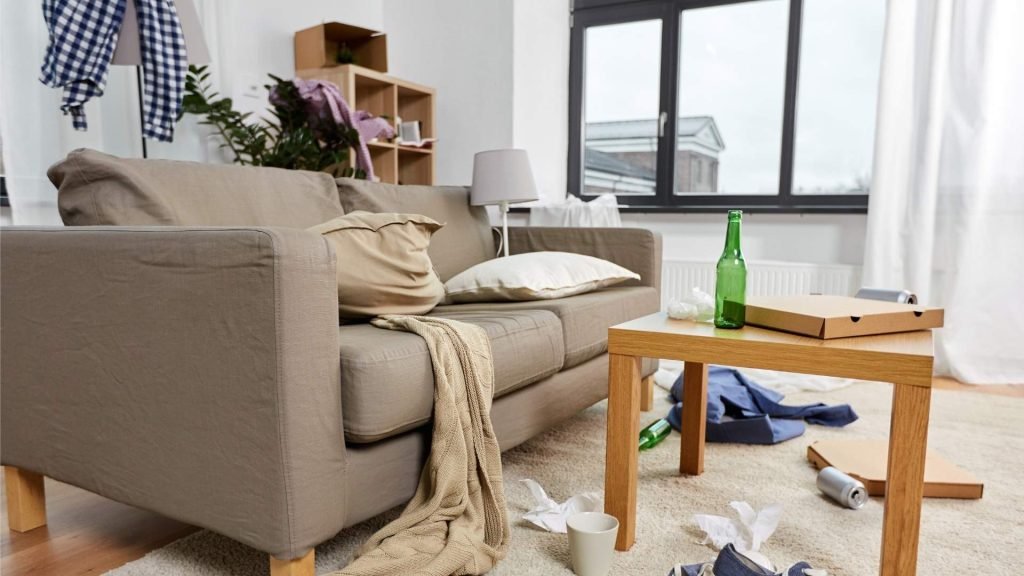
Everyone’s journey through recovery is different, and residential treatment doesn’t have to be the starting point. However, there are certain cases where it might make sense to make residential treatment part of your care protocol.
- Patients with severe substance use disorder marked by daily use, high tolerance, and significant impairment in life functioning need the intensive intervention that residential programs provide. If addiction controls your life completely, outpatient care likely won’t provide enough support to interrupt established patterns and begin recovery.
- Those who’ve attempted outpatient treatment unsuccessfully should consider residential care. Repeated relapses suggest you need a more structured environment and intensive services. The residential setting removes the environmental triggers and access to substances that derailed previous recovery attempts, giving you a genuine fresh start.
- Men facing unstable or chaotic living situations benefit from residential treatment’s safe, structured environment. If your home involves active substance use, abusive relationships, or other threats to recovery, removing yourself completely becomes necessary. Residential facilities provide stability while you build strength and plan for healthier living arrangements post-treatment.
- Individuals with co-occurring mental health conditions often require residential-level care to address both disorders effectively. The complexity of dual diagnosis treatment and the need for close monitoring during medication adjustments make residential programs ideal for integrated treatment of addiction and mental illness.
Transitioning from Residential to Outpatient Care
Discharge planning begins at admission, with staff continuously assessing your readiness for less intensive care. As you demonstrate stability and skill development, the treatment team prepares recommendations for aftercare services, including outpatient therapy, support groups, and other resources supporting long-term recovery.
Considering PHP
Partial hospitalization programs often serve as a bridge between residential and outpatient care. PHP provides structured treatment several hours daily while you begin reintegrating into community life. This intermediate step reduces the shock of transitioning from 24/7 support to independent living while maintaining intensive therapeutic services.
Benefits of IOP
Intensive outpatient programs require fewer weekly hours than PHP but more than traditional outpatient counseling. IOP typically involves three-hour sessions three to five times weekly, allowing you to work or attend school while receiving substantial ongoing support. This level works well for men stepping down from residential care who need continued structure.
Trying to Live Sober With Others
Sober living facilities provide alcohol and drug-free housing with built-in peer support and accountability. Many transition from residential treatment to sober living, attending outpatient services while living in a structured environment that reinforces recovery. This arrangement extends the protective factors of residential care while you rebuild independent living skills.
The Importance of Aftercare Planning
Relapse prevention strategies taught in residential treatment require ongoing practice and reinforcement after discharge. Aftercare plans outline specific actions you’ll take to maintain sobriety, including therapy appointments, support group attendance, medication management, and strategies for handling high-risk situations. Writing these plans during treatment, while your commitment runs strong, helps you stay on track later.
Finding Support Beyond Treatment
Support networks developed in residential programs can continue providing accountability and encouragement long-term. Many facilities offer alumni programs with ongoing groups, social activities, and resources for graduates. Maintaining these connections reminds you that you’re not alone and provides role models of sustained recovery.
Continuing care appointments with therapists and prescribers address emerging challenges before they escalate to relapse. Regular check-ins allow early intervention if you’re struggling with triggers, mental health symptoms, or life stressors.
Recovery monitoring through phone check-ins, app-based reporting, or periodic drug screening provides external accountability during early sobriety. While some may bristle at monitoring, according to the National Institute on Alcohol Abuse and Alcoholism, recovery monitoring methods like drug screening, treatment referrals, and checkups have been shown to reduce substance use over a 12-month period.
Measuring Success in Residential Addiction Treatment Programs
According to a study published by the Open Journal of Psychiatry, the 1-month abstinence rate for patients attending residential treatment, outpatient care, and sober living was around 74%, with that rate falling to 42% at the one-year mark. However, when taken alone, the individual abstinence rates for each program type were much lower, highlighting how important it is to know that the journey to recovery doesn’t end when your treatment program does.
Sobriety represents the most obvious measure of treatment success, but it’s not the only meaningful outcome. Improved mental health, restored relationships, stable employment, and overall life satisfaction indicate whether treatment has truly helped you reclaim your life. Quality programs track these broader outcomes beyond simple abstinence rates.
Long-term recovery requires more than just not using substances. Successful treatment builds the internal resources and external supports that sustain sobriety through life’s inevitable challenges. You learn to handle stress, process emotions, maintain relationships, and find purpose without substances, skills that determine whether you stay better after getting better.
What Happens If You Relapse in Residential Addiction Treatment Programs?
Relapse doesn’t necessarily indicate treatment failure. In fact, research data shows that more than two-thirds of those attempting treatment will relapse within weeks or months of starting to get better. Addiction is a chronic condition with relapse rates similar to other chronic illnesses like diabetes or hypertension. What matters is whether the treatment provided you with tools to recognize warning signs quickly, intervene early, and return to recovery without suffering the full consequences of prolonged relapse.
Making the Decision to Enter Residential Treatment
Recognizing you need help represents a crucial first step toward recovery. If substance use has spiraled beyond your control despite multiple attempts to quit, if your health is deteriorating, if relationships are crumbling, or if you’re facing legal consequences, residential treatment offers the intervention intensity required to interrupt this downward trajectory.
Overcoming Fear of Change
Fear about taking time away from work, family, or other responsibilities often delays treatment decisions. However, untreated addiction will cost you far more than temporary absence for treatment. Your employer, family, and obligations will still exist after residential care, but you’ll be equipped to handle them without substances compromising your ability to function.
Don’t Wait Until You ‘Feel’ Ready
Timing considerations matter less than readiness. Waiting for the “perfect time” to enter treatment often means never going. There’s always another reason to delay, another obligation that seems more pressing. The truth is that addiction gets worse over time, making early intervention preferable even if circumstances aren’t ideal.
Get Family Invested in Your Journey
Involving supportive family members in the decision process provides additional motivation and practical help in arranging treatment. Loved ones can assist with logistics like insurance verification, facility selection, and covering responsibilities during your absence. Their support reminds you that people care about your recovery and will be there when you return.
Frequently Asked Questions About Residential Addiction Treatment Programs
What defines an addiction?
Addiction, clinically termed substance use disorder, involves compulsive substance use despite harmful consequences. It’s characterized by cravings, loss of control over use, continued use despite problems, and withdrawal symptoms when stopping. Addiction is a brain disorder, not a moral failing or choice.
How to deal with someone who has an addiction?
Express concern without judgment, set clear boundaries about unacceptable behaviors, avoid enabling substance use, encourage professional treatment, and take care of your own well-being. Consider attending support groups like Al-Anon to learn healthy ways of supporting someone struggling with addiction while protecting yourself.
Does insurance cover residential mental health treatment?
Most private insurance plans cover residential mental health treatment under mental health parity laws. Coverage varies by policy, so verify benefits before admission. Medicaid and Medicare also provide coverage under certain circumstances. Many facilities help navigate insurance questions and offer payment plans for costs not covered.
Getting Better and Staying Better
Residential addiction treatment programs provide the intensive intervention men need when substance use disorder has taken control of their lives. Through structured days, evidence-based therapies, medical support, and brotherhood with others walking the same path, these programs create conditions for genuine transformation. The combination of removing yourself from triggering environments, addressing underlying trauma and mental health issues, and learning practical recovery skills gives you the foundation for long-term sobriety.
The decision to enter residential treatment represents courage and commitment to reclaiming your life. Whether you’re battling alcohol, drugs, or multiple substances, whether you’re dealing with co-occurring mental health conditions or facing your first attempt at recovery, residential programs offer hope for lasting change. Success requires your participation, honesty, and willingness to do difficult work, but thousands of men have walked this path before you and found freedom on the other side.
If you’re ready to take that first step, Into Action Recovery offers a proven path forward. Our residential treatment program has helped men get better and stay better for over a decade, combining clinical excellence with the structure and brotherhood that men need for lasting recovery. Contact us today to learn how our program can help you reclaim your life and build the future you deserve.