Fentanyl Addiction Treatment in Phoenix, Arizona
Residential treatment in Phoenix for men who want a clear path out of fentanyl use and a plan that lasts.
Fentanyl is a powerful synthetic opioid known for how quickly it can lead to dependence and how easily it increases the risk of overdose, even in very small amounts. That’s why effective treatment requires more than willpower alone.
At Into Action Recovery, our program focuses on accountability, clinical care, and structured daily habits that support long-term recovery. In our residential setting, clients step away from high-risk environments, stabilize, and build practical skills to manage cravings, cope with stress, and handle triggers without returning to fentanyl use.




- The Path from Fentanyl Use to a New Life
What Is Fentanyl Addiction?
Fentanyl addiction is a condition marked by loss of control over fentanyl use, persistent cravings, and continued use even when it causes serious problems. Fentanyl is a synthetic opioid that is highly potent and is a major contributor to overdose deaths in the U.S. Illegally made fentanyl is often added to other drugs or pressed into counterfeit pills, so exposure can be unpredictable.
Over time, the body develops tolerance and dependence, and withdrawal symptoms can appear when use stops. Because overdose risk can rise quickly, professional treatment is often necessary.
Into Action Recovery provides comprehensive fentanyl addiction treatment that combines evidence-based therapy with practical behavioral support and real peer accountability. Clients learn what drives use, how to respond to cravings, and how to stay consistent when stress hits. The goal is long-term recovery backed by habits, support, and follow-through.
Warning Signs of Fentanyl Addiction
The signs of fentanyl use are not always obvious at first, particularly since it is often mixed into other drugs without awareness. As use continues, behavior begins to change. Individuals may use more often, struggle to keep up with responsibilities, and increasingly organize their day around access to the drug.
Common Fentanyl Addiction Symptoms
Slowed Breathing and Sedation
Shallow breathing, heavy sedation, and nodding off mid-conversation are signs that opioid use has reached a dangerous level.
Needing More to Feel the Same Effect
Tolerance builds quickly with fentanyl. Over time, the same dose produces less relief, and higher amounts are needed just to feel normal.
Loss of Control Over Use
Use becomes hard to predict or limit. What starts as occasional use can shift into daily dependence faster than with most other opioids.
Craving Fentanyl Under Stress
Feeling unable to manage discomfort, sleep, or emotional pressure without turning to fentanyl for relief.
Physical Symptoms When Use Stops
Body aches, sweating, nausea, chills, and restlessness appear when fentanyl is not available, signaling physical dependence.
Continued Use Despite Serious Harm
Health problems, financial strain, and damaged relationships do not stop use. The compulsion to use overrides awareness of consequences.

- Why Untreated Fentanyl Addiction Is So Dangerous
The Risks of Long-Term Fentanyl Addiction
Untreated fentanyl addiction carries serious risks that compound over time. Tolerance can rise quickly, narrowing the gap between a regular dose and a fatal one. Withdrawal drives repeated use, and without support, the cycle is hard to break.
Common Risks of Fentanyl Addiction
- Impaired Focus, Mood, and Control
- Overdose and Respiratory Failure
- Withdrawal, Cravings, and Relapse Pressure
- Health Decline and Life Consequences
When fentanyl use continues, risks build and the cycle becomes harder to break without support. Professional treatment provides clinical oversight, therapy, and accountability to stabilize health and support long-term recovery.
- Fentanyl Addiction Recovery
Transform Your Life with Expert Fentanyl Treatment
Fentanyl recovery is difficult to maintain without support because cravings, withdrawal symptoms, and high-risk decision patterns can pull someone back into use. Professional treatment provides clinical guidance, monitoring when needed, and accountability that helps a person stop safely and start rebuilding stability.
Our residential program for men provides a focused environment where recovery is the priority. Clinical staff help clients build coping skills, address trauma and co-occurring mental health concerns, and strengthen decision-making under pressure.
With evidence-based therapy, consistent routines, and peer support, clients develop the follow-through and skills needed for long-term recovery after treatment.

How Fentanyl Addiction Treatment Works
Medical Support Through Early Recovery
Clinical oversight ensures withdrawal is managed safely and that clients are supported through the highest-risk period.
Behavioral Therapy and Skill Building
Individual and group therapy address the emotional drivers, behavioral patterns, and co-occurring mental health conditions.
Accountability and Daily Structure
Clear expectations, daily routines, and group accountability rebuild the stability that opioid dependence breaks down.
Relapse Prevention and Aftercare Planning
Clients leave with a concrete plan covering high-risk situations, craving management strategies, and ongoing support connections.
- Residential Treatment Program For Fentanyl Addiction
Inpatient Fentanyl Addiction Treatment for Men at Into Action Recovery
When fentanyl use has disrupted health, relationships, and daily responsibilities, a residential program provides the level of care and focus that recovery demands. Stepping away from familiar environments and into a program built around accountability and clinical support gives clients the best conditions to stabilize and commit to lasting change.
What To Expect In Our Fentanyl Rehab Program
At Into Action Recovery, the residential program is designed around how men recover. Clinical care, structured daily routines, trauma-informed therapy, and peer accountability work together to address opioid dependence at its core and prepare clients for a life built on long-term sobriety.
Individualized Care From Day One
Treatment starts with a full clinical assessment identifying withdrawal severity, co-occurring conditions, and personal risk factors.
Evidence-Based Clinical Treatment
Individual therapy and targeted modalities address the behavioral patterns and emotional drivers behind opioid dependence.
Peer Accountability and Community
Shared commitment and direct peer support reinforce progress and hold clients to a consistent standard throughout treatment.
Skills That Carry Beyond Treatment
Clients leave with practical coping tools, a relapse prevention framework, and aftercare connections built for real life.
Physical Recovery and Wellness
A structured wellness routine restores physical function and builds the energy needed to engage fully in recovery work.

- Why Choose Into Action?
Why Families Trust Into Action for Men’s Treatment
For over a decade, Into Action has operated recovery programs that produce real, lasting results. The model is built on clinical rigor, personal accountability, and a men-only environment that does not soften what recovery requires. That same standard drives every fentanyl treatment program at Into Action Recovery Arizona.
Families turn to Into Action because the program goes beyond short-term stabilization. Dependence requires more than detox and discharge. Evidence-based therapy, 12-step integration, and a strong peer community work together to address what drives continued substance use and what sustains sobriety over time.
At Into Action Recovery, every man enters a residential program designed to challenge, support, and develop the habits and mindset that long-term recovery depends on.
Meet the Team Behind Arizona’s Leading Fentanyl Rehab
Each man in our program is guided by experienced professionals who understand the realities of recovery. With a focus on practical strategies and measurable progress, our team helps build a strong foundation for long-term stability and confident, sustained change.
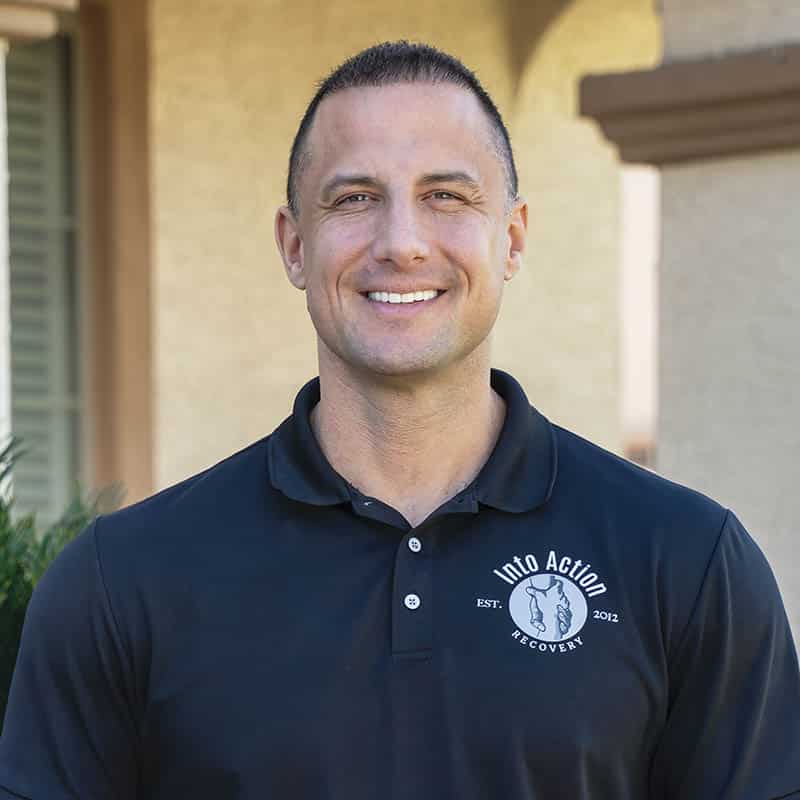
Chris Burwash
CEO & Founder
Chris Burwash is Founder and CEO of Into Action Recovery and a man in long-term recovery with more than two decades of experience helping men overcome addiction. He has guided thousands through structured recovery programs focused on accountability, discipline, brotherhood, and lasting sobriety.
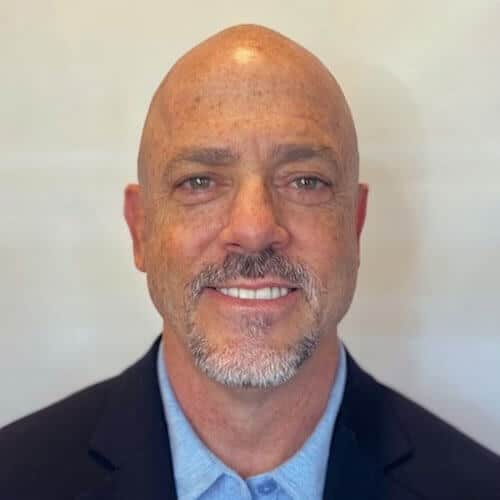
Paul Flatley, DO
Medical Director
Dr. Paul Flatley, DO, is a board certified addiction medicine physician with decades of medical experience. After training through Midwestern University and Maricopa Medical Center, he founded Direct2Recovery and Direct2MD, expanding medical access and treatment options for individuals struggling with addiction.

David Cummings
Program Director
David Cummings serves as Program Director at Into Action Recovery, overseeing daily operations and program structure that support men in early recovery. With extensive experience guiding treatment programs, he helps ensure accountability, consistency, and a stable environment where men build lasting sobriety.

Tara Harvell, LPC, BHP
Clinical Director
Tara Harvell, LPC, is Clinical Director at Into Action Recovery specializing in trauma-informed addiction treatment. An EMDR-trained therapist and AZBBHE Clinical Supervisor, she oversees clinical standards and therapist development while helping individuals address trauma and substance use disorders simultaneously.
- Frequently Asked Questions
FAQs About Treatment for Fentanyl Addiction
We answered some of our most asked questions regarding our fentanyl abuse treatment and ways to finance recovery for you or your loved one.
How long does fentanyl withdrawal last?
Acute fentanyl withdrawal typically begins within 12 to 24 hours of the last dose and peaks around 36 to 72 hours. Most physical symptoms resolve within 7 to 10 days. However, psychological symptoms such as cravings, low mood, and sleep disruption can persist for weeks and require continued clinical and therapeutic support.
Is residential treatment necessary for fentanyl addiction?
For many people, residential treatment provides the level of care and removal from high-risk environments that outpatient programs cannot. It allows for clinical monitoring during withdrawal, consistent therapy, and daily accountability. The appropriate level of care depends on individual history, severity of dependence, and co-occurring health conditions.
What therapies are used in fentanyl addiction treatment?
Evidence-based therapies commonly used include cognitive behavioral therapy, motivational interviewing, trauma-informed care, and relapse prevention planning. These approaches address the thought patterns, emotional triggers, and behavioral habits that drive continued opioid use and help clients build practical skills for maintaining recovery.
Is fentanyl addiction treatment different for men?
Men and women can present differently in addiction treatment, with differences in how they process trauma, respond to peer dynamics, and engage in therapy. A men-only treatment environment allows for more direct communication, stronger peer accountability, and a program design that reflects how men typically respond to recovery work.
What co-occurring conditions are common with fentanyl addiction?
Depression, anxiety, PTSD, and chronic pain are among the most common conditions that develop alongside fentanyl use disorder. At Into Action Arizona, our dual diagnosis program treats both conditions at the same time. Addressing only the addiction while leaving mental health untreated increases relapse risk significantly, which is why integrated care is central to how we work.
Get Into Action & Call Today
If you’re a man or you know and love a man that is ready for real change, Into Action Recovery offers a proven path forward.