
For men with attention deficit hyperactivity disorder (ADHD), life can feel like a constant battle against a restless mind. The struggle to focus, manage impulsive behavior, and regulate emotions can be exhausting. In this state of internal chaos, alcohol can feel like a solution, a way to quiet the noise and feel “normal.” This is the dangerous starting point for the hidden and clinically meaningful link between ADHD and alcohol addiction. Many self-medicate their ADHD symptoms with alcohol, leading them down a path to a substance use disorder that only makes the core problem worse. It’s important for those struggling with co-occurring conditions to invest in an alcohol rehab program that takes all factors into account.
Quick Takeaways
- A High-Risk Connection: Those with ADHD have an elevated risk of developing an alcohol use disorder and drug addictions. The core symptoms of ADHD, like poor impulse control, are major risk factors.
- The Self-Medication Trap: Many people with ADHD use drinking alcohol to cope with anxiety, racing thoughts, and social awkwardness. This self-medication provides temporary relief but leads to long-term alcohol dependence.
- Alcohol Worsens ADHD Symptoms: While it may feel calming at first, alcohol’s effects ultimately impair executive functions, disrupt sleep, and worsen the core symptoms of deficit hyperactivity disorder ADHD.
The Brain Connection: Why Those with ADHD Are Vulnerable
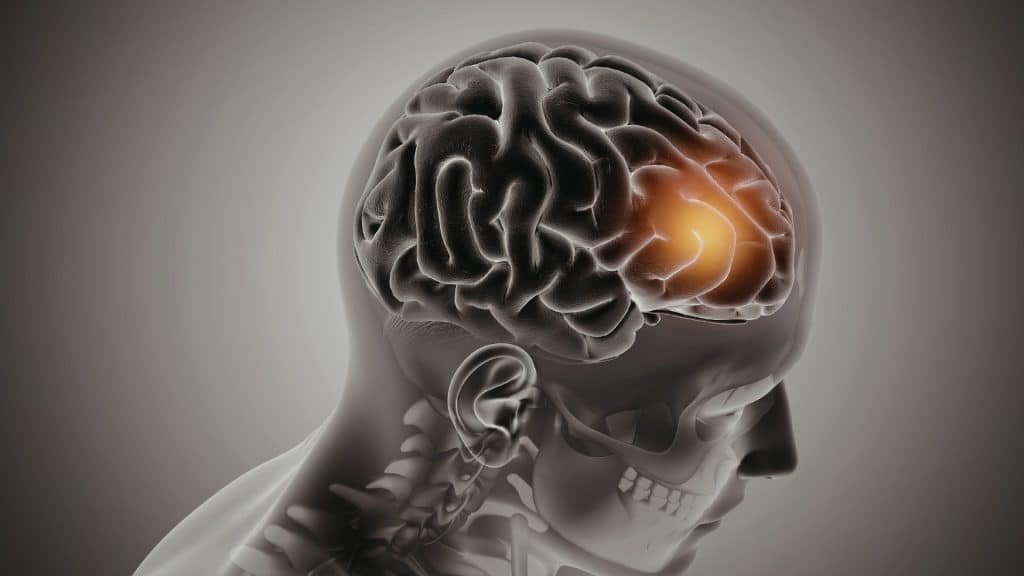
The link between ADHD and alcohol abuse begins with brain chemistry. ADHD is associated with differences in brain circuits involved in attention, reward processing, and impulse control (including catecholamine systems). Alcohol can temporarily reduce tension or restlessness for some people, reinforcing use, but repeated heavy drinking increases the risk of dependence and worsens cognitive control over time. This deficiency drives the classic ADHD symptoms: restlessness, an inability to sustain mental effort, and a constant search for stimulation.
Alcohol artificially and temporarily boosts dopamine levels, which is why the first few drinks can feel so calming and rewarding to a man with ADHD. It quiets the mental noise. However, this creates a powerful cycle. The brain begins to associate alcohol with relief, leading to increased alcohol consumption and, eventually, a state where it can develop withdrawal symptoms and strong cravings when alcohol is removed.
The Self-Medication Cycle: A Temporary Fix, a Permanent Problem

For many adults struggling with an undiagnosed or poorly managed ADHD, alcohol becomes a tool to survive social and professional situations. This pattern of self-medication is a direct path to addictive behaviors.
| Perceived “Benefit” of Drinking with ADHD | The Devastating Reality |
|---|---|
| “It calms my racing thoughts.” | Chronic alcohol use worsens anxiety symptoms and depression. |
| “It helps me relax in social situations.” | Leads to binge drinking and risky impulsive behavior. |
| “It helps me fall asleep.” | Alcohol destroys sleep quality, worsening fatigue and inattention. |
| “It quiets my restlessness.” | Leads to a physical and psychological alcohol dependence. |
This cycle often results in significant social and academic problems, derailing careers and relationships. The man who started drinking to cope with his ADHD now has two co-occurring disorders to battle.
The Complication of ADHD Medication and Alcohol
For men receiving ADHD treatment, adding alcohol to the mix is a high-risk gamble.
- Mixing ADHD medication, especially stimulant medications like Adderall or Ritalin, with alcohol is dangerous.
- Stimulants can mask the intoxicating effects of alcohol, leading a person to drink far more than intended and increasing the risk of alcohol poisoning.
- Both substances put a strain on the cardiovascular system.
This combination is a primary example of ADHD and alcohol use turning into a life-threatening form of substance abuse. A stable recovery from an alcohol use disorder is often a prerequisite for effective and safe pharmacological treatment of ADHD.
ADHD and Alcohol Addiction Frequently Asked Questions
Does alcohol abuse cause ADHD?
No. ADHD is a neurodevelopmental disorder that typically begins in childhood. However, heavy alcohol consumption can mimic or worsen ADHD symptoms, making it difficult to get an accurate ADHD diagnosis until a period of sobriety is achieved.
Should I stop taking my ADHD medication if I have a drinking problem?
You should never make changes to your prescribed medication without consulting a doctor. Be honest with your physician about your alcohol use. They can help you create a safe plan to address your substance use while managing your ADHD. Abruptly stopping stimulant treatment can have significant side effects.
What does treatment for co-occurring ADHD and alcoholism look like?
It is an integrated process. It involves therapies that address the impulsive behavior of ADHD and the compulsive nature of addiction. It focuses on building reliable, healthy coping strategies to replace the self-medication cycle. The goal is to manage both co-occurring conditions to ensure a stable, long-term recovery.
Break the Cycle: A Stronger Path for Men with ADHD
The struggle with ADHD and alcohol addiction is a draining, demoralizing battle. But the cycle of masking symptoms with booze can be broken. Recovery is not about “trying harder”; it’s about getting the right, integrated treatment plan that addresses the reality of your co-occurring disorders. Acknowledging the link between your ADHD and your drinking is the first, most powerful step toward regaining control.
At Into Action Recovery, our men-only program is built to instill the structure, discipline, and support needed to conquer complex substance use disorders. We help you build a foundation of strength to manage both your mental health and your sobriety. Contact us today to start building a better life.