Whippets, sometimes spelled whippits, have become a familiar sight at parties and festivals, yet many people underestimate the real risks behind the small canisters they come from. The name refers to breathing in nitrous oxide, the same colorless gas found in whipped cream chargers and used in some medical care. Understanding how this substance works, what it can do to the body, and when casual experimenting slips into something more serious can help families step in early and connect a loved one with a drug rehab program before lasting harm sets in. Whippets are also one of the common forms of inhalant abuse.
This guide explains what whippets are, why the gas produces its short euphoric high, the health risks tied to repeated use, and the signs that suggest someone may need help.
What Are Whippets and Whip Its?

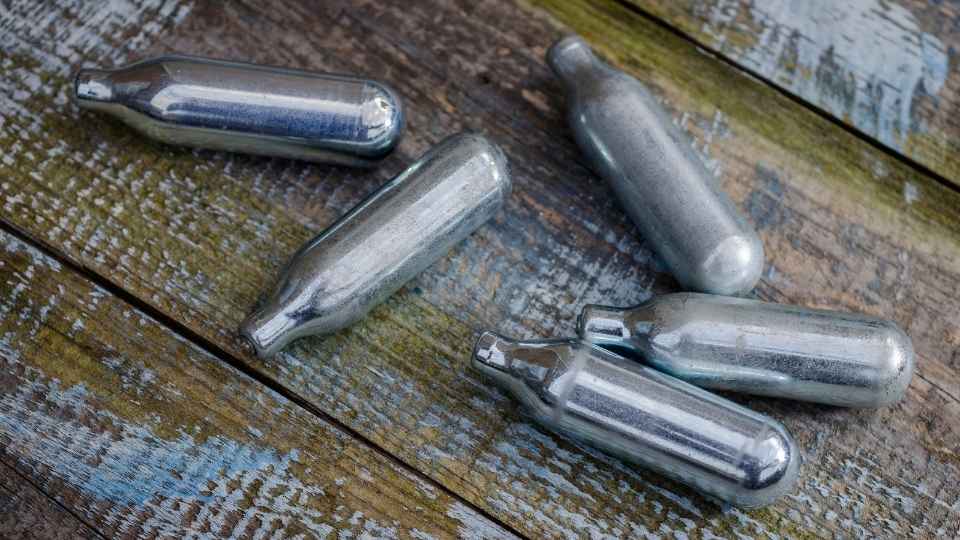
Whippets, also written as whip its, are a slang term for inhaling the gas to get high. The phrase covers the whole practice: opening small metal canisters of gas, releasing the contents, and breathing it in for a brief rush. Because the same cartridges power kitchen whipped cream chargers, the supplies are cheap, easy to find, and sold widely for culinary use. That accessibility is part of why the whippets drug trend keeps resurfacing among teens and young adults.
How Whippets Get Their Name
The term is generally linked to whipped cream chargers, often called whippets, that hold the gas. Over time, the nickname stretched to describe abusing nitrous oxide itself. Today, the labels “whippet drug” and “whippet use” are common shorthand in conversations about inhalant abuse.
Nitrous Oxide and Inhalant Drugs: A Closer Look
Nitrous oxide is a colorless gas with a faintly sweet taste. It is used as a recreational inhalant drug, and it sits within a broad category of inhalant drugs that people breathe in to feel intoxicated. Unlike many other inhalant drugs that come from household solvents, it has legitimate roles in food preparation and in dental settings, which can create a false sense that it must be harmless.
From the Kitchen to Recreational Use
In kitchens, it is legally sold for culinary use in whipped cream dispensers to aerate cream. It is compressed inside small metal canisters in a high-pressure environment, and when released, it reaches extremely low temperatures. Inhaling directly from a canister can cause frostbite to the lips, mouth, and throat. To avoid this, users often release nitrous oxide gas into a balloon before inhaling, then breathe it from the balloon. While this may reduce the risk of frostbite, it does not make recreational use safe.
Galaxy Gas and the Rise of a New Trend
Recently, flavored products marketed under names like Galaxy Gas have spread across social media. Galaxy gas and similar brands are sold in larger steel canisters than traditional chargers, making bigger volumes available. While packaged for culinary purposes, galaxy gas has been widely repurposed as a popular party drug, especially among young people who see it promoted online. Recreational use of this gas is far from new, but its popularity rises and falls with trends like this.
Why Some Call It Hippie Crack
This substance has picked up several street names over the decades. Some people call it laughing gas, a nod to the giddy feeling it can produce. Others use the term hippie crack, which reflects both its long history as a recreational drug and how quickly users may want to repeat the experience. Whatever the nickname, whether hippie crack or laughing gas, the underlying substance and its risks stay the same.
How People Use and Abuse Whippits

Most people who abuse whippits release the gas into a balloon first, since balloons warm the gas and reduce the frostbite risk. Nitrous oxide is commonly inhaled from balloons for this reason. Whippits are often used with whipped cream dispensers or loaded chargers, and sessions tend to involve repeated use over a short window because each high fades fast. This rapid dosing is part of what makes abusing nitrous oxide risky, since people abusing nitrous oxide may inhale repeatedly.
The Euphoric Effects People Chase
The appeal lies in the euphoric effects. Inhaling nitrous oxide can cause euphoria and disassociation, sometimes with sound distortion and light-headedness. Those euphoric effects arrive within seconds. Nitrous oxide affects the central nervous system, including pathways linked to sedation, dissociation, and altered perception, which is why the euphoric high can feel dreamy and detached. The effect fades within a few minutes, so users often inhale again and again to keep it going.
Men’s Treatment in Arizona
Find the Right Level of Care
Residential Treatment Program
Live on-site in a men-only inpatient setting in Laveen Village. During treatment, we focus on structure, brotherhood, and clinical care built for lasting sobriety.
Tour Our Phoenix CenterIntensive Outpatient Program
Continued care for men who need real accountability while keeping work and home life intact. A strong step down from residential or a serious starting point.
Explore the Scottsdale IOPShort-Term Dangers of Inhaling Nitrous Oxide
Even a single session carries risk. Because concentrated nitrous oxide can displace the oxygen the body needs, recreational use can lead to hypoxia or severe oxygen deprivation. The dispersal of the gas can also displace breathable oxygen, leading to asphyxiation in poorly ventilated spaces. Sudden inhalation of concentrated gas can cause asphyxiation and sudden death, and inhaling the gas can cause asphyxiation and death. Use of the gas also counts as intoxication while driving.
Long-Term Health Risks of Nitrous Oxide
Repeated misuse carries the heaviest toll. The long-term health risks of this gas tend to build quietly, often before a person notices a problem. Chronic use can lead to serious neurological damage, and the most serious harms usually involve the nerves and the spine. In some cases, this damage improves after use stops and medical treatment begins, but it can also be lasting or permanent.
Brain Damage and Nerve Injury
Inhalation can lead to asphyxiation and brain damage when oxygen is cut off. Severe oxygen loss during repeated sessions may cause permanent damage. Over time, nitrous oxide abuse can also cause neurological damage through its effects on vitamin B12, with some of the best-documented harms involving nerve damage and spinal cord injury. The brain can recover in some areas once use stops, as explored in our look at brain recovery timelines.
How Whippits Affect Brain Cells
When the oxygen supply drops severely, brain cells are among the first to suffer. Starved of oxygen, these cells can begin to die, which is one route to lasting memory problems and cognitive trouble. Repeated misuse can also cause neurological and cognitive symptoms through vitamin B12 inactivation and related nerve damage. The brain can recover in some areas once use stops, as explored in our look at brain recovery timelines.
Vitamin B12 Depletion and the Spinal Cord
Nitrous oxide abuse can cause vitamin B12 depletion by inactivating the vitamin in the body, and the same harm builds with repeated misuse. Because B12 keeps nerves healthy, a vitamin B12 deficiency from nitrous oxide can cause nerve and spinal cord damage. Low vitamin B12 may show up as muscle weakness, numbness, and trouble walking, and over time, it can contribute to muscle atrophy. These features overlap with other conditions, such as the harm described in our guide to Wernicke-Korsakoff syndrome.
General Health Risks of Whippit Abuse
Beyond the nerves, the broader effects of whippit abuse reach many systems, and this gas can pose serious health risks when inhaled recreationally. Regular misuse can lead to psychiatric complications, including depression and other psychiatric symptoms. Changes in blood pressure, fainting, and falls are also possible. Whippit abuse can result in chronic health problems, especially with heavy, repeated use. Less common reported complications may include abnormal blood counts, blood clots, and other serious medical problems. These severe outcomes are easy to overlook because early health problems can seem minor.
| Timeframe | Effects on the body | Possible severe outcomes |
|---|---|---|
| Short term | Euphoria, light-headedness, frostbite, fainting | Low oxygen, asphyxiation, sudden death |
| Repeated use | Headaches, low mood, blood pressure changes | Psychiatric symptoms, depression |
| Long term use | Numbness, weakness, memory loss | Brain injury, nerve injury, spinal cord damage, B12 deficiency |
Warning Signs of Whippet Drug Use
Recognizing the warning signs early gives families a chance to step in. Whippet use leaves clues on the body and in a person’s surroundings, and several together can point to drug use that has moved past a one-time experiment. Just as families learn to spot the physical signs of meth use, the signs of whippit abuse reward a little attention.
Physical Signs to Watch For
- Frequent complaints of a sore throat
- Unexplained memory loss or memory problems
- Numbness, tingling, or weakness
- Disorientation or stumbling right after inhaling
- Trouble walking or poor coordination
Behavioral and Environmental Signs
- Possession of deflated balloons in pockets or a bag
- Cracked whipped cream cans or empty chargers in the trash
- Small canisters or steel canisters hidden away
- Pulling back from friends, school, or work
- Buying chargers with no kitchen reason
These signs do not confirm a problem alone, but a cluster is worth a calm conversation.
Is Nitrous Oxide Addictive?
Whether nitrous oxide is addictive is a common question. It is not considered strongly physically addictive in the way opioids are, yet it can be psychologically addictive. The fast, pleasant, high, and short duration can drive repeated use, and over time, a pattern of whippet addiction can form. Because standard drug tests do not usually screen for the gas, whippet use often slips past routine drug tests.
When Chronic Use Becomes Addiction
For some people, recreational use stays occasional. For others, chronic use becomes a near-daily habit. Signs that whippet addiction has taken hold include needing more gas for the same effect, failed attempts to cut back, cravings, and continued use despite clear harm. At this stage, nitrous oxide addiction may overlap with other drugs or a broader substance abuse problem, which can make recovery harder than facing one substance alone. Whippets can also sit among the harder habits to break, a theme we cover in our piece on the hardest addiction to quit.
Why People Abuse Whippits
People abuse whippets for many reasons. The low cost, legal status, and quick high make it attractive, especially to teens and young adults. Curiosity, peer pressure, and the false sense that a legal, kitchen-grade product must be safe all play a part. For some, whippet drug use is one piece of a larger pattern of drug abuse or untreated mental health struggles, and it can sit alongside other drugs in a wider habit. The mix with other drugs is part of why honest support matters.
Whippets and the Law
Nitrous oxide is legal in the US for approved medical, industrial, and culinary uses, which adds to the confusion about its safety and can reinforce the idea that it is not a dangerous drug. In reality, it can be a dangerous drug when misused. Laws around recreational possession, inhalation, and sales vary by state and locality, and some states prohibit selling nitrous oxide to minors or restrict sales when the product is intended for intoxication. Medical applications involve controlled administration of oxygen by medical professionals, often for short-term pain relief in dental settings, where it works as a mild pain reliever. That careful use is very different from breathing concentrated gas from a canister.
How Common Is Whippet Abuse?
Inhalant abuse is a form of substance abuse, and it is more widespread than many realize. According to survey data referenced by the Substance Abuse and Mental Health Services Administration, over 13 million Americans aged 12 and older have misused nitrous oxide. Broader inhalant abuse, including whippits and other inhalants, has also affected millions of Americans, though estimates vary by survey year, age group, and whether the data measures lifetime, past-year, or past-month use. The Alcohol and Drug Foundation and other public health groups continue to track nitrous oxide misuse and recreational nitrous oxide use among young people.
Evidence-Based Treatment for Whippet Addiction
Recovery is possible, and evidence-based treatment offers the clearest path forward. Because nitrous oxide addiction can carry both physical and psychological weight, effective addiction treatment usually combines medical care, counseling, and support for any co-occurring mental health conditions. Stopping use, restoring B12 levels, and addressing nerve damage are often early priorities, alongside reaching out to a dedicated drug addiction treatment team.
What Recovery Can Look Like
A structured program can help a person stop using safely and rebuild. Options range from residential care to outpatient support, such as residential treatment in Phoenix or an intensive outpatient program in Scottsdale. Whatever the level of care, treatment that treats the whole person tends to produce the most durable results. Learning more about substance use disorder and medication-assisted treatment can help families understand the road ahead.
If you are worried about a loved one, professional drug rehab in Phoenix is a strong first step. You can also explore the full range of recovery programs to find the right fit.
What Are Whippets? Frequently Asked Questions
Can you get addicted to whippets?
Yes, in a sense. Whippets are not strongly addictive in a physical way, but they can be psychologically addictive. Over time, use can build a cycle of cravings and whippet addiction that benefits from professional care.
Are whippets dangerous if used only occasionally?
Even occasional use carries real dangers. A single session can lead to low oxygen, fainting, or frostbite, and in rare cases, death. There is no fully safe level of recreational use.