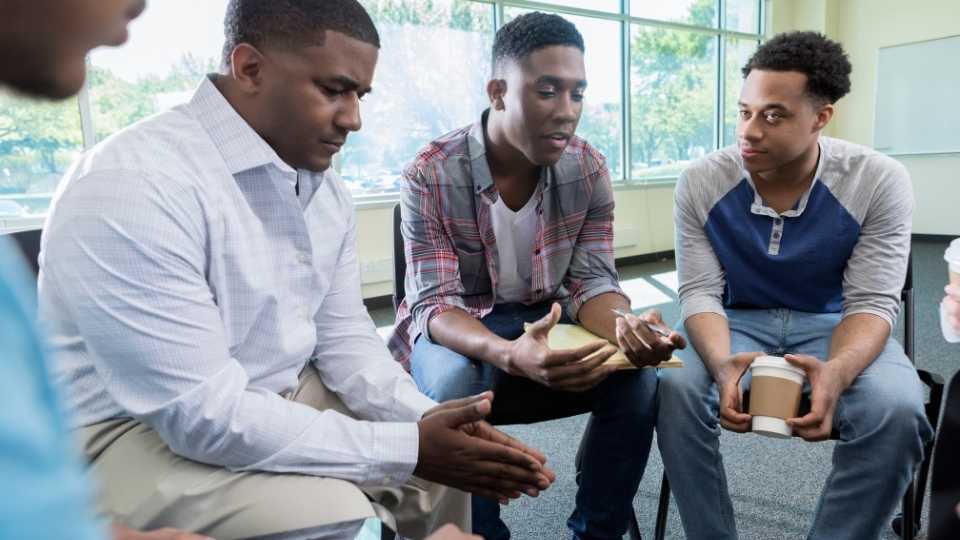
Recovery does not happen in isolation, and for men in treatment, the quality of peer connection can play an important role in how sustainable sobriety becomes. Group activities for men in recovery serve a purpose beyond filling time. They can help build trust, accountability, and shared experience that may be difficult to develop elsewhere, especially after months or years of addiction pulling men away from genuine relationships. This article outlines 10 men’s group activities that drug rehab programs commonly use to help men develop social skills, process emotions, rebuild confidence, and support long-term sobriety.
Key Takeaways
- Group activities for men in recovery can build peer accountability and social connection, which are associated with improved recovery outcomes
- Isolation is a common challenge in early recovery, and structured group engagement can help address it
- Activities that combine physical challenge, creative expression, and conversation provide multiple ways for men to engage in recovery
- Family members can benefit when men develop communication and relationship skills through group work during treatment
- In some cases, the bonds formed in men’s group activities continue beyond the treatment setting and support ongoing recovery
The brotherhood men talk about in recovery does not happen by accident, and Into Action Recovery is built around the deliberate structure of group activities, peer accountability, and shared experience that creates it.
Why Men’s Group Activities Matter in Recovery

Men in recovery often face challenges when it comes to connection. Many have spent years using substances as a substitute for genuine relationships, relying on alcohol or drugs to ease social anxiety, feel more comfortable around others, or cope with difficult situations. When the substance is removed, social skills may need to be rebuilt or strengthened.
Research from the National Institute on Drug Abuse and broader behavioral health literature shows that peer support and community engagement are associated with improved recovery outcomes. Men who participate regularly in structured group settings during treatment often report a stronger connection, accountability, and engagement compared to remaining socially isolated.
Men’s group activities also address something that individual therapy alone cannot fully replicate: the experience of interacting with peers who share similar challenges. Being seen, challenged, and supported by others in recovery can have meaningful therapeutic value and complement individual treatment.
The men-only setting itself is part of what makes these activities effective, and our breakdown of gender-specific recovery for men explains why men tend to open up more honestly when the group is built around shared experience as men.
Men’s Treatment in Arizona
Find the Right Level of Care
Residential Treatment Program
Live on-site in a men-only inpatient setting in Laveen Village. During treatment, we focus on structure, brotherhood, and clinical care built for lasting sobriety.
Tour Our Phoenix CenterIntensive Outpatient Program
Continued care for men who need real accountability while keeping work and home life intact. A strong step down from residential or a serious starting point.
Explore the Scottsdale IOPWhat Group Activities Address in Men’s Recovery
| Challenge | How Group Activities Help | Example Activity |
|---|---|---|
| Isolation | Creates regular connection with others in recovery | Group exercise, team sports |
| Shame | Normalizes struggle through shared experience | Discussion groups, storytelling |
| Emotional avoidance | Encourages expression and awareness of emotions | Art therapy, music groups |
| Poor social skills | Builds communication in low-stakes settings | Cooking classes, game nights |
| Lack of accountability | Creates peer-supported goal tracking | Fitness challenges, goal-setting groups |
Beyond residential settings, these structured discussion groups are also the foundation of our intensive outpatient program, where men continue the work of peer-based recovery several days a week while reintegrating into daily life.
The peer accountability built through these structured check-ins is one of the strongest forms of long-term relapse prevention, and our guide on opioid addiction relapse prevention covers how that accountability becomes a key piece of sustained recovery after treatment ends.
Men Struggle With Isolation: What Group Work Addresses
Isolation is a well-established risk factor for relapse, and it is something many people experience in early recovery. Addiction often narrows a person’s world over time, straining relationships and creating a life increasingly organized around substance use. When treatment begins, that isolation does not immediately resolve.
Structured group activities give men a reason to show up, engage, and develop relationships with others who understand what they are working through. The conversations that happen in these settings, sometimes about recovery, sometimes about everyday life, can help build trust and connection over time.
For men who have experienced trauma, shame, or relationship damage, group engagement may initially feel uncomfortable. That discomfort is part of the process. Learning to stay present, communicate honestly, and tolerate vulnerability are skills that group participation can help develop.
That discomfort with vulnerability is not weakness; it is conditioning, and our guide on why men hide their feelings breaks down the cultural messages that make group sharing feel especially difficult for men in early recovery.
10 Men’s Group Activities in Recovery

Group activities play an important role in recovery by building connection, structure, and healthy coping skills outside of traditional therapy settings. For men especially, shared experiences and goal-oriented activities can reduce isolation, challenge stigma around vulnerability, and create a foundation for lasting sobriety.
1. Group Fitness and Strength Training
Physical exercise in a group setting combines the mental health benefits of activity with the accountability of participation alongside others. Strength training often resonates with many men because progress is measurable and visible. Group exercise can support mood, stress regulation, and connection.
Beyond the social benefits of training together, the neurological and hormonal payoff is its own argument for making it a priority, and our breakdown of exercise benefits in men’s addiction recovery explains exactly how movement rebuilds the brain chemistry that addiction tears down.
2. Team Sports and Competitive Games
Basketball, volleyball, pool, and other competitive activities provide a structured setting for communication, teamwork, and enjoyment. These activities can help men practice managing frustration, cooperating with others, and engaging socially without substances.
3. Outdoor Adventure Activities
Rock climbing, hiking, and outdoor challenges can support problem-solving, confidence, and shared experience. These activities may also promote mental well-being and provide a break from the clinical environment.
4. Cooking Classes and Shared Meals
Learning to cook and sharing meals together builds practical life skills while creating a relaxed environment for connection. These activities can help establish routine, improve self-sufficiency, and support social interaction.
Beyond formal communication training, repairing relationships damaged by addiction takes its own deliberate work, and our guide on how to rebuild trust during use disorder treatment walks through the steady steps that actually move family bonds forward.
5. Meditation and Mindfulness Groups
Mindfulness practices help individuals develop awareness of thoughts, emotions, and cravings without immediate reaction. Group meditation can support emotional regulation, reduce stress, and provide a shared experience of focus and stillness.
6. Art and Creative Expression Groups
Art therapy and creative activities provide alternative ways to process emotions. Drawing, writing, or building allows individuals to express experiences that may be difficult to articulate verbally. These approaches can support emotional awareness and engagement.
7. Music and Rhythm-Based Activities
Music-based activities, such as listening, discussion, or rhythm exercises, can support emotional engagement and connection. Music often helps individuals access and process feelings in ways that complement traditional therapy.
8. Life Skills and Education Workshops
Practical education groups covering topics like financial planning, communication, anger management, and relationship repair provide tools for daily life. These workshops help individuals build skills that support long-term recovery and independence.
- Financial literacy workshops address the practical consequences of addiction
- Communication and conflict resolution groups support relationship repair
- Anger management education provides strategies for handling difficult emotions
9. 12-Step and Discussion-Based Groups
Structured recovery groups, including 12-step meetings and open discussion formats, are widely used in treatment settings. Participation in these groups is associated with improved engagement and ongoing recovery support for many individuals. Sharing experiences with others who understand addiction can help reduce isolation and build accountability.
10. Goal-Setting and Accountability Groups
Regular sessions focused on setting and reviewing goals create structured peer accountability. These groups help individuals build consistency, track progress, and develop habits that support recovery over time. Participants typically set short- and long-term goals across areas like employment, relationships, sobriety milestones, and personal growth. Checking in regularly with peers creates healthy social pressure, reinforces commitment, and helps individuals recognize progress they might otherwise overlook. This structure mirrors real-world accountability systems that support sustained recovery.
The peer accountability built through these structured check-ins is one of the strongest forms of long-term relapse prevention, and our guide on opioid addiction relapse prevention covers how that accountability becomes a key piece of sustained recovery after treatment ends.
What Makes a Men’s Group Activity Effective
Effective group activities share certain qualities that make them more likely to engage participants and support meaningful progress in recovery. Understanding what distinguishes a well-designed group activity from a less effective one helps treatment programs create experiences that genuinely resonate with men.
| Quality | Why It Matters | What It Looks Like |
|---|---|---|
| Structure | Reduces uncertainty and supports participation | Clear format, defined roles |
| Consistency | Builds trust over time | Regular schedule, stable group |
| Voluntary sharing | Respects individual comfort levels | No forced disclosure |
| Physical or creative element | Engages different communication styles | Fitness, art, cooking |
| Real-world application | Connects to life outside treatment | Life skills workshops |
The Role of Family Members in Supporting Group Engagement
Family members are often the first to notice when someone in recovery begins to withdraw from connection. Understanding what group activities offer, and why they matter, can help families encourage engagement rather than unintentionally reinforcing isolation.
Treatment centers often provide education and resources for families to better understand how peer connection supports recovery. When family members are informed and involved at appropriate stages, they can play a supportive role in encouraging participation and ongoing engagement.
Men’s Group Activities in Recovery FAQs
Why do men struggle with group activities in early recovery?
Many men enter recovery without experience in emotionally open group settings. Social expectations around masculinity can make vulnerability feel unfamiliar or uncomfortable. Sharing personal struggles publicly may conflict with ingrained notions of self-reliance and stoicism. However, with consistent participation and a trustworthy group environment, most men gradually become more open and engaged over time.
How do men’s group activities support long-term sobriety?
Group activities build peer accountability, reduce isolation, and develop social skills essential for a substance-free life. Shared experiences create genuine connection, giving men a sense of belonging that can replace the social roles substances once played. Relationships formed during treatment often extend beyond discharge, becoming a lasting support network that reinforces commitment to ongoing recovery.
Brotherhood Is Built in the Room
Recovery for men is not a solitary project. Many people who sustain long-term sobriety do so with the support of others and through consistent engagement in recovery activities. At Into Action Recovery, men’s group activities are part of a structured treatment approach that includes clinical care, peer support, and ongoing engagement. For men in the Phoenix metro area looking to continue group-based recovery work after residential, our intensive outpatient program in Scottsdale keeps the structured group activities going through weekly therapy and peer engagement. For men ready to step into a residential program built around these kinds of group activities, our Phoenix residential treatment program integrates fitness, 12-step work, life skills, and shared meals into a structured daily rhythm that makes the brotherhood real.