
The opioid crisis continues claiming lives across America, with synthetic opioids driving most drug overdose deaths. Fentanyl represents a preventable tragedy affecting families nationwide. This guide delivers practical solutions through naloxone access, community education, and policy reform. You’ll learn how to protect yourself, the people in your life, and build recovery systems that last.
Key Takeaways
- Fentanyl is 50 times stronger than heroin and increasingly found in counterfeit pills
- Naloxone reverses opioid overdose effects within minutes when administered correctly
- Community naloxone programs have helped reduce overdose deaths involving synthetic opioids
- Men aged 35-44 face the highest risk of fentanyl-related deaths
- Recovery programs addressing opioid use disorder provide the strongest long-term protection
The Persisting Fentanyl Crisis and Drug Overdose Deaths

Drug overdose deaths reached unprecedented levels in recent years, with illicit fentanyl driving the surge. In 2024, the numbers fell for the first time in decades, but they are still high compared to the start of the opioid crisis. For a closer look at how the crisis is playing out at the state level, our breakdown of the fentanyl addiction crisis in Arizona for 2026 covers the local numbers and the policy gaps still costing lives.
The Threat of Fentanyl Overdose
Unlike prescription opioids used for chronic pain or severe pain management, illicit fentanyl appears in cocaine, methamphetamine, and counterfeit pills designed to look like legitimate prescription drugs. The substance’s extreme potency means that a dose as small as a grain of salt can be fatal.
Drug dealers mix fentanyl into other illicit drugs to increase addiction potential while maximizing profits. Users often have no idea they’re consuming synthetic opioids until overdose effects begin. Death certificates increasingly list multiple drug categories, as polysubstance use becomes more common. These cases require lengthy investigations to determine exact causes, meaning actual fentanyl deaths per year may be underreported.
Men’s Treatment in Arizona
Find the Right Level of Care
Residential Treatment Program
Live on-site in a men-only inpatient setting in Laveen Village. During treatment, we focus on structure, brotherhood, and clinical care built for lasting sobriety.
Tour Our Phoenix CenterIntensive Outpatient Program
Continued care for men who need real accountability while keeping work and home life intact. A strong step down from residential or a serious starting point.
Explore the Scottsdale IOPOpioid Overdose: How Fentanyl Kills
Opioid overdose occurs when synthetic opioids like fentanyl overwhelm the body’s respiratory system. The drug binds to opioid receptors in the brain, slowing breathing to dangerous levels. The leading cause of preventable death among Americans 18-45 is now drug overdose, with fentanyl responsible for most cases.
Mixing fentanyl with alcohol, benzodiazepines, or other illegal drugs multiplies the risk. Semi-synthetic opioids like oxycodone or prescription opioids, including morphine, codeine, tramadol, and methadone, don’t compare to fentanyl’s abuse potential. Even experienced users of heroin face fatal overdoses when unknowingly consuming fentanyl-laced substances from Mexico or elsewhere.
Naloxone Access Saves Lives
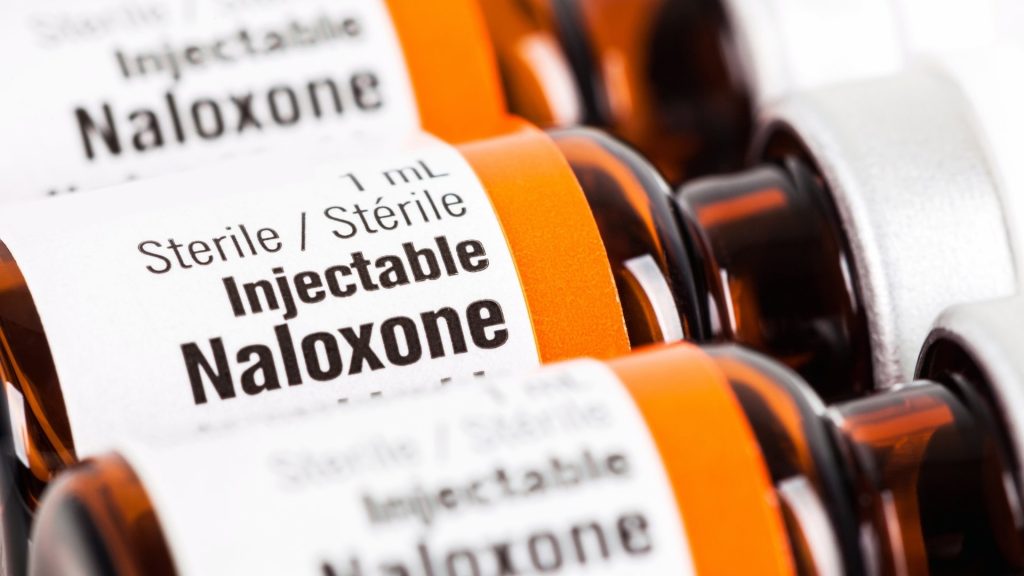
Administering naloxone immediately reverses an opioid overdose by blocking opioid receptors. First responders carry it standard, but community access remains inconsistent. Pharmacies in most states now offer naloxone without a prescription, yet many families don’t know it exists.
Programs distributing free naloxone to people who use opioids and their families have documented thousands of reversed overdoses. The medication has no abuse potential and causes no harm if given to someone not experiencing an opioid overdose. Every home with prescription drugs should keep naloxone available. Before you ever need to use that naloxone, knowing how to spot the early symptoms of fentanyl addiction and recognize when rehab becomes urgent can help you intervene before the situation reaches overdose territory.
Naloxone Access Points
| Location | Availability | Training |
|---|---|---|
| Pharmacies | Walk-in | Basic instructions |
| Health Centers | Free programs | Hands-on sessions |
| Treatment Centers | Patient distribution | Recovery integrated |
Education and Prevention
Effective overdose prevention starts with honest conversations. Men particularly resist discussions about substance use disorder and mental health. This silence kills. Families need direct information about how many deaths from fentanyl occur annually and what counterfeit pills look like. Community education programs should target workplaces and organizations where men gather. For men in the Phoenix metro area looking for a structured place to break that silence in person, our intensive outpatient program in Scottsdale brings men together several days a week for the kind of honest conversation overdose prevention actually depends on.
Policy Solutions That Work
Reducing fentanyl deaths requires policy reform across multiple systems. Effective policy combines prevention, treatment access, and harm reduction.
- States implementing Good Samaritan laws see more people calling 911 during overdoses.
- Expanding coverage for substance use disorder treatment through mental health parity laws gives more people access to recovery resources.
- Treatment on demand eliminates waitlists that cost lives.
- When someone with opioid use disorder seeks help, immediate placement into residential treatment or outpatient programs can help fight against the next overdose.
For men who do not need full inpatient care but still need consistent clinical structure, our intensive outpatient program makes that “treatment on demand” model a reality by removing the waitlist between deciding to get help and actually receiving it.
Long-Term Recovery Solutions
Naloxone gives a man a second chance, but Into Action Recovery is built around what he does with it, turning that reversal moment into a structured path back to a life worth keeping. Men facing fentanyl addiction need structured treatment addressing physical dependence and psychological drivers. Proven programs integrate evidence-based therapy, 12-step principles, and community support.
Into Action Recovery understands men recover differently. Structure, accountability, and brotherhood form the foundation of lasting sobriety. Our drug rehab programs address opioid use disorder through intensive clinical work while building strength and discipline that prevent relapse. We’ve helped thousands of men reclaim their lives through approaches that address the whole person, not just the substance. The brotherhood piece is more than a buzzword in real recovery, and our breakdown of men’s group activities in recovery shows exactly how peer accountability replaces the isolation that fuels opioid use in the first place.
Frequently Asked Questions About Fentanyl Deaths
Which drug has the highest death rate in the US?
Synthetic opioids, primarily illicit fentanyl, cause more deaths than any other drug category. Fentanyl related deaths exceed those from heroin, cocaine, methamphetamine, and prescription opioids combined, accounting for the majority of drug overdose deaths nationally in recent years.
How many deaths per year from fentanyl?
2024 data from the CDC indicates over 40,000 deaths annually involve synthetic opioids like fentanyl. The actual number may be higher as death certificates require lengthy investigations to identify specific substances, and many cases list unspecified narcotics as the cause.
Why are fentanyl deaths decreasing?
Some regions report modest decreases due to expanded naloxone access, increased treatment availability, and community education efforts. Areas seeing reductions implemented comprehensive strategies combining harm reduction, policy reform, and accessible treatment for substance use disorder rather than enforcement alone.
Taking Action Today
The fentanyl crisis demands an immediate response from every community and family. Understanding synthetic opioids, accessing naloxone, and supporting policy solutions creates the foundation for change. But knowledge alone doesn’t save lives. Action does.
If someone you love has already been brought back by naloxone once, our Phoenix residential treatment program gives them the medical care, structure, and brotherhood needed to make sure there is not a next time. Don’t let fear or uncertainty delay the call that could save a life. Contact Into Action Recovery today. Our team understands what men facing addiction need and delivers treatment that creates lasting change. This is your moment to act.