
Your loved one started with prescription pain medicines after surgery, or maybe they thought you were taking pain relievers from a friend, and fentanyl was mixed in. Now, it has gotten to a point where you or a loved one finds themselves trapped in a cycle you never saw coming, and drug rehab is what you need to seriously consider. Fentanyl addiction has become one of the deadliest drug crises in modern history. This synthetic opioid is 50 times stronger than heroin and 100 times more potent than morphine, making it extremely dangerous even in tiny amounts.
In Arizona, fentanyl deaths have risen by 4,900 percent since 2015, and the substance is present in an estimated 60 percent of all drug-related overdose deaths. After overtaking meth to become the state’s deadliest drug, efforts have borne fruit in recent years to stymie what experts call the fentanyl addiction crisis, but there are still many people in need.
Whether you are using fentanyl knowingly or unknowingly through contaminated street drugs, understanding this addiction is your first step toward survival and recovery. This article covers what makes fentanyl so deadly, how to recognize fentanyl addiction, and harm reduction strategies like fentanyl test strips that can save your life. For over a decade, Into Action Recovery has helped Arizona men break free from opioid addiction through structured treatment built around accountability, discipline, and brotherhood.
Quick Takeaways
- Most illicit fentanyl comes mixed into other drugs like heroin, cocaine, and fake prescription pills without the user’s knowledge
- Rainbow fentanyl, brightly colored to resemble candy, poses particular danger to young people
- Fentanyl test strips can detect the presence of fentanyl in substances before use
- Naloxone (Narcan) reverses opioid overdose and should be carried by anyone using opioids
- Treatment combining medication-assisted therapy, counseling, and a structured program offers the best recovery outcomes
What is Fentanyl and What Makes Fentanyl Addiction So Dangerous?

Fentanyl belongs to a class of drugs called synthetic opioids, originally developed by pharmaceutical companies to manage severe pain in cancer patients and those recovering from major surgeries. Doctors prescribe pharmaceutical fentanyl through patches, lozenges, and injections for legitimate medical purposes. The problem starts with illicit fentanyl, which drug cartels manufacture in underground labs and distribute through illegal channels.
- Fentanyl binds to opioid receptors in your brain much more tightly than other opioids, producing intense euphoria followed by life-threatening respiratory depression.
- Your breathing can stop within minutes of taking fentanyl, giving you or bystanders very little time to respond. This narrow window between getting high and dying explains why overdose deaths involving synthetic opioids have skyrocketed in recent years.
What Makes Fentanyl Dangerous?
What makes fentanyl dangerous is its extreme potency. A dose smaller than a few grains of salt can trigger a fatal overdose. According to the Drug Enforcement Administration (DEA), criminal networks produce counterfeit pills designed to look exactly like legitimate prescription opioids such as oxycodone or Xanax, but these fake prescription pills often contain deadly doses of fentanyl instead. This makes them extremely dangerous, since you cannot tell the difference by looking at them.
Recognizing the Signs of Fentanyl Addiction
Fentanyl addiction develops quickly because of how powerfully this drug affects your brain’s reward system. Physical dependence can occur after just a few uses, leaving you trapped in a cycle where you need the drug just to feel normal.
Common signs of fentanyl addiction include:
- Needing increasingly larger amounts to achieve the same effect
- Experiencing intense cravings
- Continuing use despite knowing the risks
Physical symptoms of fentanyl use include pinpoint pupils, extreme drowsiness, confusion, and constipation. You might notice yourself nodding off at inappropriate times or struggling to stay awake during conversations. Behavioral changes become obvious to people around you as you prioritize getting and using fentanyl over relationships, work, and activities you once enjoyed.
Withdrawal symptoms hit hard when you try to stop taking fentanyl. Within hours of your last dose, you experience muscle aches, sweating, anxiety, nausea, vomiting, and diarrhea. These symptoms peak around 48 to 72 hours and can last for weeks, making it nearly impossible to quit without medical support. The fear of withdrawal keeps many people trapped in active fentanyl addiction even when they desperately want to stop.
For these reasons, its best to build a strong emotional and spiritual support system who can help keep you safe and on the right path towards a sustained recovery as you kick the habits of addiction.
If you or a man you love is ready to kick addiction for good in Arizona, our substance abuse programs offer structure and discipline for men with focused inpatient care and substance-specific treatment options. “Get Into Action!”:
Or call us at: (623) 745-0719
Opioid Overdose: The Hidden Threat of Illicit Drug Contamination
The scariest part about the current opioid overdose crisis is that many people die from fentanyl without ever intending to take it. Drug dealers mix fentanyl into heroin, cocaine, methamphetamine, and other street drugs to increase potency and profits. Even marijuana has tested positive for fentanyl contamination in some cases. You might think you are using one substance, but you are actually consuming a lethal combination.
The Risk of Pills, Powder, and Rainbow Fentanyl
Rainbow fentanyl emerged in 2022 as a particularly insidious threat. These brightly colored pills and powders resembling sidewalk chalk or candy appear designed to appeal to younger people and ensnare another generation of users. Back in 2022, the Arizona Attorney General warned Arizonans about the risks of rainbow fentanyl, and local health departments across the country issued warnings after seizures of the substance in multiple states. The colorful appearance does not change how dangerous these substances are, but how they look can be disarming for some.
Looking ahead into 2026, the DEA has just launched a renewed enforcement campaign called “Fentanyl Free America,” throughout Arizona, focusing on seizing fentanyl pills and powder from foreign terrorists and cartels. Recent national progress in reducing overdose deaths for the first time in 2024 is encouraging, but levels are still high across the United States compared to when the fentanyl addiction crisis started.
When Fentanyl Addiction Leads to Overdose: Recognition, Response and Harm Reduction
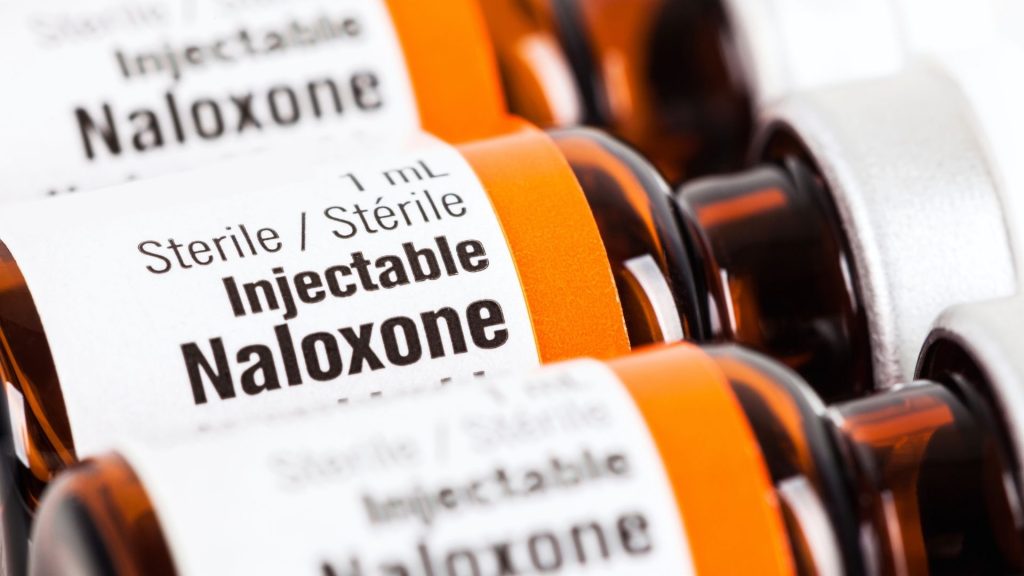
Recognizing an opioid overdose quickly can mean the difference between life and death.
- Warning signs include unresponsiveness, very slow or stopped breathing, blue or gray lips and fingernails, limp body, and pinpoint pupils. If someone stops responding to your voice or touch, assume overdose and act immediately.
- Call 911 right away and clearly state that someone is not breathing. Many states have Good Samaritan laws protecting people who call for help during an overdose.
- Administer naloxone if available by spraying it into the person’s nose or injecting it into their muscle. Naloxone blocks opioid effects and restores breathing, though it may take multiple doses for fentanyl because of its potency.
First responders now carry naloxone as standard equipment due to the fentanyl crisis. Paramedics, police officers, and firefighters save lives every day by administering this medication. You should also carry naloxone if you or someone you know uses opioids. To learn more about how naloxone is preventing fentanyl deaths and how to use it correctly when seconds matter, take time to study the basics before you ever find yourself in that moment.
Pharmacies in most states, including Arizona, sell it without a prescription, and many community organizations provide it free. Having naloxone nearby is like having a fire extinguisher; you hope never to need it, but keep it accessible just in case. Knowing what to watch for can save a life, and learning how to recognize the signs of a fentanyl overdose gives you the critical minutes needed to call 911 and administer naloxone in time.
Fentanyl Test Strips
Testing drugs before use provides critical harm reduction protection. Fentanyl test strips, small paper strips similar to pregnancy tests, detect the presence of fentanyl and many fentanyl like drugs in substances. You dissolve a small amount of your drugs in water, dip the test strip, and get results in minutes.
Organizations focused on harm reduction distribute test strips for free in many communities. Arizona passed a law in 2021 that legalized fentanyl test strips. While not perfect, using test strips dramatically reduces your risk of accidental fentanyl overdose.
Fentanyl Addiction Recovery Timeline
Fentanyl addiction is life-threatening due to its extreme potency and rapid overdose risk. Professional treatment provides medical detox supervision, addresses withdrawal symptoms safely, offers medication-assisted therapy, and equips you with coping skills for lasting recovery and survival. You should also expect to continue following up with your treatment to prevent the risk of relapse, fixing old habits and underlying conditions that have kept you using.
| Recovery Stage | Timeframe | What to Expect | Support Needed |
| Detox | 5-7 days | Acute withdrawal symptoms peak | Medical supervision, medications |
| Early Recovery | 1-3 months | Learning new coping skills to prevent relapse | Intensive therapy, support groups |
| Active Recovery | 3-12 months | Rebuilding life structures and finding support | Ongoing counseling, peer support |
| Sustained Recovery | 1+ years | Maintaining newly formed sobriety habits | continued engagement, lifestyle changes |
As you move past detox and into early recovery, our intensive outpatient program gives men a structured path to stay accountable, attend group therapy, and protect against relapse without stepping away from everything in their lives. Once acute withdrawal has passed, and you are ready to keep building on early recovery, our Scottsdale intensive outpatient program helps men maintain momentum through continued therapy, peer accountability, and relapse prevention work.
Frequently Asked Questions About Fentanyl Addiction
What are the uses of fentanyl?
Doctors prescribe pharmaceutical fentanyl for severe pain management, particularly for cancer patients and post-surgical recovery. It comes as patches, lozenges, injections, and nasal sprays. Illicit fentanyl has no legitimate medical use and appears mixed into street drugs, causing overdose deaths nationwide.
What are the most addictive drugs?
The most addictive substances include heroin, cocaine, methamphetamine, fentanyl, alcohol, and benzodiazepines. Fentanyl and other synthetic opioids create particularly rapid physical dependence. Crack cocaine and methamphetamine produce intense psychological addiction. Each drug affects brain chemistry differently, making some people more vulnerable to specific substances. The sooner you catch the problem, the better the outcomes tend to be, so it helps to understand the early symptoms of fentanyl addiction and when rehab becomes urgent before things spiral further out of control.
What is the timeline for fentanyl withdrawal?
Fentanyl withdrawal symptoms begin within 12 hours of last use, peak around 48 to 72 hours, and gradually subside over 7 to 10 days. Acute physical symptoms include muscle aches, sweating, nausea, and anxiety. Post-acute withdrawal symptoms like cravings and mood changes can persist for weeks or months.
Recovery Built for Men Who Want Their Lives Back
Ready to get into action? We offer a no-BS, men-only residential treatment program that actually works. With over a decade of proven results, structured accountability, and brotherhood that lasts, men get better here and stay better. Call Into Action Recovery in Arizona today and see why raw recovery techniques mixed with elevated wellness facilities make all the difference. If fentanyl has taken hold of your life or the life of someone you love, our Phoenix residential treatment center gives men the medical supervision, structured environment, and round-the-clock support needed to detox safely and start rebuilding from day one.
Resources:
- https://www.maricopa.gov/5981/Focus-on-Fentanyl