
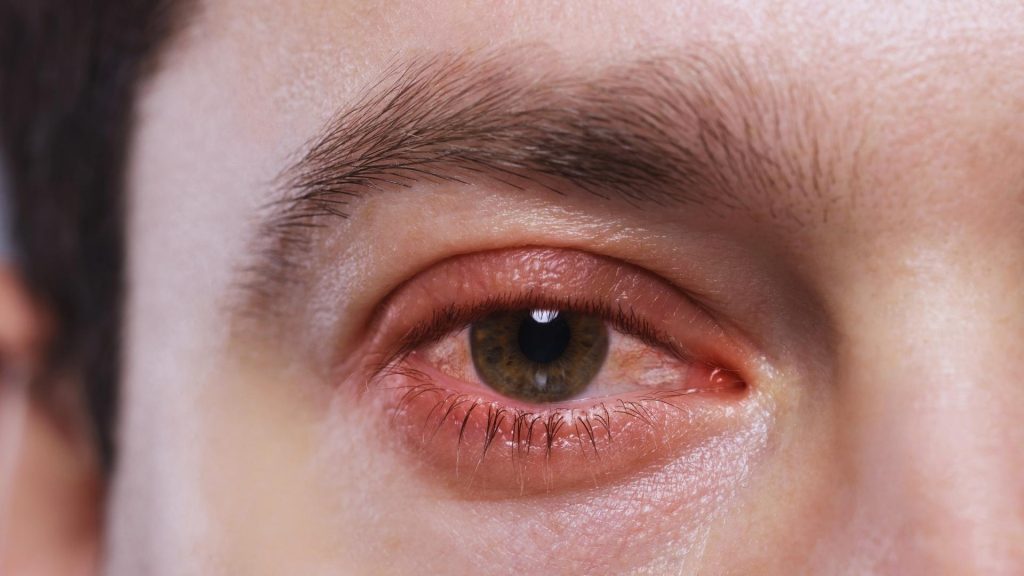
Spotting the physical indications of drug use in someone you care about is never easy, but your eyes rarely lie. When you look at someone struggling with meth addiction, you might notice a collection of symptoms often called meth eyes. What do meth eyes look like? The term “meth eyes” describes a range of visible changes, from unnaturally enlarged pupils to a glassy or glossy appearance that signals the central nervous system is under intense strain. Knowing what these signs mean is the first step toward getting them the help they need.
In this article, you will learn how to identify these physical markers, the long-term damage they cause to eye health, and the behavioral shifts that often accompany them. We will also explore the connection between these ocular issues and other signs of meth, like meth mouth, while providing a clear path toward seeking professional assistance for a lasting recovery.
If you or a man you love is ready to kick addiction for good in Arizona, our substance abuse programs offer structure and discipline for men with focused inpatient care and substance-specific treatment options. “Get Into Action!”:
Or call us at: (480) 480-6686
Key Points to Remember
- Meth eyes are characterized by heavily dilated pupils that remain large even in bright light due to how methamphetamine stimulates the brain.
- Frequent involuntary eye movements and a jittery or twitchy appearance are common results of neurological overstimulation from the drug.
- Chronic meth use can lead to permanent vision loss through conditions like retinal vascular occlusive disease, which blocks blood flow to the retina.
- Physical symptoms like bloodshot eyes and dark circles are often paired with behavioral signs such as paranoia and visual hallucinations.
- Early intervention through addiction treatment is the most effective way to address methamphetamine use disorder and protect a man’s long-term well-being.
The Visual Hallmark: Dilated Pupils and Stimulant Effects
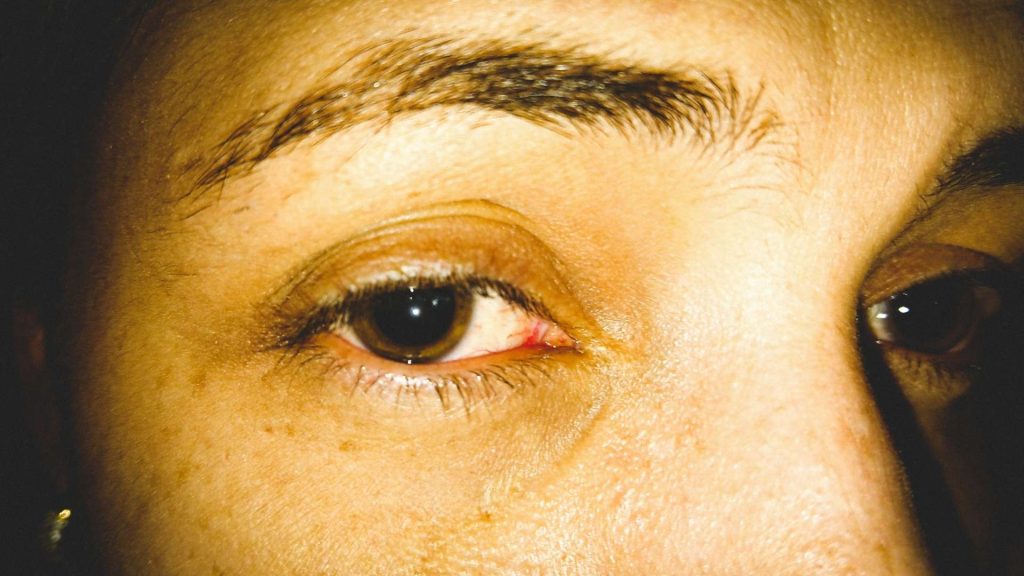
According to the National Institute on Drug Abuse, the effects of meth are felt nearly immediately to within the first 20 minutes. When you look into the eyes of someone using methamphetamine or crystal meth, the first thing you will likely notice is pupil dilation. Methamphetamine is a powerful stimulant that forces the brain to release massive amounts of dopamine and norepinephrine.
This chemical surge triggers a fight-or-flight response throughout the body, causing the pupils to dilate significantly. These dilated pupils often stay large for several hours after methamphetamine consumption, making the individual extremely sensitive to light. Because the drug keeps the central nervous system in a state of hyperarousal, the eyes may take on a wide-eyed or startled look that is hard to ignore.
Pupil Dilation and Light Sensitivity
Because the pupils are stuck in an open position, most meth users experience significant light sensitivity. You might see them squinting in normal indoor lighting or wearing sunglasses at inappropriate times. Meth eyes react in typical ways, which include:
- Excessive sensitivity to sunlight or bright indoor lights
- Pupils that react noticeably less when a light is shone into them
- A dark or hollow look because the pupil overshadows the iris
This constant strain can lead to blurry vision and headaches. It is not just a cosmetic issue; it is a sign that the brain is being overstimulated by an addictive substance.
How Long Do Meth Eyes Last?
The duration of meth eyes depends on several factors, including the amount used and individual metabolism. Dilated pupils can last for several hours and sometimes longer, depending on dose, route, and individual factors. This effect is also extended through a heavy dose. Chronic meth users may experience prolonged pupil dilation and other eye-related symptoms that persist even between uses.
Redness and Irritation: How Blood Vessels React
Another frequent sign of meth use is eye redness or bloodshot eyes. Methamphetamine causes the blood vessels in the eyes to constrict and then dilate rapidly, leading to irritation of the sclera (the white part of the eye). This effect is often made worse by the lifestyle factors that come with meth addiction, such as severe sleep deprivation and poor hygiene. When a man stays awake for days at a time, his eyes cannot recover, resulting in a chronically tired, irritated look.
Bloodshot Eyes and Excessive Rubbing
You may also notice him constantly rubbing or picking at his eyes. Many meth users experience the sensation of a foreign object or bugs crawling under their skin, which leads to obsessive touching. This behavior can cause further inflammation, infections, and even corneal ulcers.
| Symptom | Physical Cause | Visual Appearance | Potential Complication |
| Bloodshot Eyes | Vasoconstriction and Dilation | Red or Pink Sclera | Chronic Inflammation |
| Glassy Appearance | Dehydration and Eye Strain | Shiny or Reflective Surface | Reduced Tear Production |
| Dark Circles | Severe Sleep Deprivation | Sunken or Hollow Sockets | Premature Aging |
| Eye Discharge | Infections or Irritation | Crusting or Liquid Ooze | Permanent Scarring |
Rapid Eye Movements and the Jittery Stare
The impact of meth on the nervous system can manifest as rapid eye movements, a condition known as nystagmus. These are involuntary eye movements in which the eyes jerk or rotate rapidly, making it difficult for the person to focus on a single point. This jittery or twitchy appearance is a clear indicator of acute intoxication or the high levels of anxiety and restlessness that follow a meth binge.
Nystagmus and Involuntary Movements
A man experiencing nystagmus may seem unable to maintain steady eye contact. His gaze might shift rapidly from side to side without him realizing it. This neurological disruption is a sign of how deeply the drug affects the brain’s ability to control basic motor functions.
- Jerky or rhythmic eye motions
- Difficulty tracking moving objects
- An intense, unblinking stare that feels unnatural
Long-Term Damage: From Blurry Vision to Vision Loss
If the drug use continues, the damage moves beyond the surface. Chronic meth use is a major factor in vision impairment and potentially even permanent vision loss in rare cases. The drug damages the small blood vessels that supply oxygen to the retina and the optic nerve. Without proper blood flow, the cells in the retina can die, leading to blind spots or a complete loss of sight.
Retinal Vascular Occlusive Disease and the Optic Nerve
One of the most dangerous ocular complications is retinal vascular occlusive disease (RVOD). This happens when the retina’s blood vessels become blocked, essentially causing a stroke in the eye. Clinical reports have shown cases of methamphetamine users developing this condition, which can cause sudden and irreversible blindness if the person does not seek treatment for the underlying addiction.
| Eye Condition | Primary Cause | Primary Symptom | Severity Level |
| RVOD | Blocked Retinal Vessels | Sudden Blind Spots | Critical/Permanent |
| Glaucoma | Increased Eye Pressure | Loss of Peripheral Vision | High/Progressive |
| Keratitis | Corneal Inflammation | Severe Pain and Redness | Moderate/Infectious |
| Retinopathy | Damaged Blood Vessels | Blurred or Distorted Vision | High/Chronic |
Meth Use and the Connection Between Meth Eyes and Meth Mouth
It is rare to see the effects of meth on the eyes without also seeing signs of meth mouth. Meth mouth is linked to dry mouth (xerostomia), teeth grinding/clenching (bruxism), poor oral hygiene, and diet, all of which accelerate tooth decay and gum disease. The combination of these two conditions creates a distinct physical profile of someone in the depths of addiction.
Severe Dental Decay and Physical Symptoms
When you observe sunken eyes and dental issues, you are seeing a body breaking down from the inside out. Extreme weight loss often accompanies these symptoms, making the man appear much older than his actual age.
- Advanced tooth decay and crumbling teeth
- Swollen or bleeding gums
- A persistent “chemical” breath odor
This physical deterioration is a loud cry for help from a body that can no longer repair itself.
Behavioral Signs of Meth: Paranoia and Hallucinations
The psychological aspects of meth use are just as visible as the physical ones. Because meth affects the brain’s reward system, it often leads to intense paranoia and visual hallucinations. The person may become hyper vigilant, his eyes constantly scanning the room for threats that are not there. This state of “tweaking” creates an intense, frightening energy that affects his ability to connect with others.
Psychological Aspects and Visual Hallucinations
During these episodes, he may see things that are not there or misinterpret shadows and objects. This mental illness-like state is caused by the toxic effects of the drug on the brain and can lead to aggressive or unpredictable behavior.
- Seeing “shadow people” or flickering lights
- Feeling like they are being watched or followed
- Rapidly shifting their gaze to look behind them or at corners
Meth Withdrawal Symptoms and the Recovery Process

When the drug starts to wear off, the body enters a difficult period of meth withdrawal. Unlike the hyperactivity of the high, withdrawal symptoms often include extreme fatigue, depression, and blurred vision. The eyes may look dull and sunken, reflecting the deep exhaustion of the central nervous system. This is a critical time for early intervention, as the cravings for more of the drug become overwhelming.
Overcoming Addiction and Early Intervention
The recovery process requires more than just willpower; it needs a structured environment where the brain can heal. Addressing methamphetamine use disorder involves detoxing the body and then engaging in intensive clinical work to rebuild a man’s character and strength.
Seeking Professional Help for Methamphetamine Use Disorder
If you recognize these signs in yourself or a loved one, the time to act is now. Methamphetamine is a highly addictive drug that destroys the body and the mind, but it does not have to be the end of the story. Seeking assistance from a program that understands how healing is essential for a lasting recovery.
Common Questions About Meth Eyes
Why do meth users have such large pupils even in the sunlight?
Methamphetamine is a powerful stimulant that forces the brain to release a surge of dopamine and norepinephrine. This overstimulates the central nervous system and triggers a fight-or-flight response, causing the pupils to dilate and remain enlarged for several hours regardless of the surrounding light levels.
Can using meth cause someone to go permanently blind?
Yes, chronic meth use can cause permanent vision loss. The drug constricts blood flow to the retina and optic nerve, which can lead to retinal vascular occlusive disease. This condition blocks the retina’s blood vessels and causes the light-sensitive cells to die, often resulting in irreversible blind spots or total blindness.
What is the difference between meth eyes and being tired?
While both can cause redness and dark circles, meth eyes typically involve heavily dilated pupils and rapid eye movements that do not happen with normal exhaustion. Additionally, the glassy or glossy appearance and an intense, unblinking stare are specific indicators of stimulant use that go beyond simple sleep deprivation.
A Better Life Is Within Reach
Meth eyes are more than just a visible sign of drug use; they are a warning that the body and brain are under extreme duress. From dilated pupils to the risk of permanent vision loss, the physical toll of methamphetamine is devastating. However, there is a proven path for men who are ready to change everything. At Into Action Recovery, our work is simple: men get better here, and they stay better. We provide the structure, accountability, and brotherhood needed to overcome addiction and rebuild a life of strength. If you or a man in your life is showing signs of meth use, do not wait for the damage to become permanent. Contact us today to learn about our residential treatment programs and start the journey toward a lasting recovery.