Alcohol Rehab For Men in Phoenix, Arizona
Men Get Better Here And Stay Better.
Into Action Recovery’s Phoenix alcohol rehab center gives men a clear, structured path out of the cycle of alcoholic drinking, binge drinking, relapse, and trying to regain control of your life. In our men-only alcohol rehab program, you recover alongside other men who understand the pressure, setbacks, and determination required to build lasting sobriety.
Our residential and inpatient alcohol rehabilitation program combines evidence-based therapy, consistent clinical oversight, and disciplined daily routines so recovery stays steady, measurable, and supported every day.


- Men's Center For Alcoholism Treatment Phoenix
How Our Alcohol Rehab Program Helps Men Break the Cycle of Drinking
Problem alcohol drinking, whether binge drinking or alcoholism, often traps men in a repeating cycle of binge, temporary sobriety, and relapse. Our residential alcohol rehab program helps men step away from those patterns and begin rebuilding stability through structured treatment, accountability, and consistent clinical support. In a focused recovery environment, men gain the clarity and tools needed to break the cycle of drinking and move toward lasting sobriety.
What The Program Looks Like
A Safe Residential Environment
Men step away from the environments and habits that often fuel problem drinking so they can focus entirely on recovery and personal stability.
Structured Daily Recovery Routine
Each day includes therapy sessions, recovery meetings, and personal responsibilities that help rebuild discipline and healthier routines.
Peer Accountability and Brotherhood
Men work alongside others who understand the challenges of alcoholism, creating honest conversations and shared accountability.
Professional Therapy and Guidance
Experienced clinicians help men address the behaviors and thought patterns connected to alcoholism while developing healthier coping strategies.
Rebuilding Responsibility and Daily Stability
Men begin restoring the routines that drinking disrupts by taking responsibility for personal goals and healthy habits that support sobriety.
Relapse Prevention and Long-Term Sobriety
Before leaving inpatient alcohol treatment, men develop practical recovery tools, support networks, and habits designed for sobriety after rehab.
- Thousands Of Men Have Recovered With Us
Why Men & Families Trust Alcohol Rehabilitation at Into Action
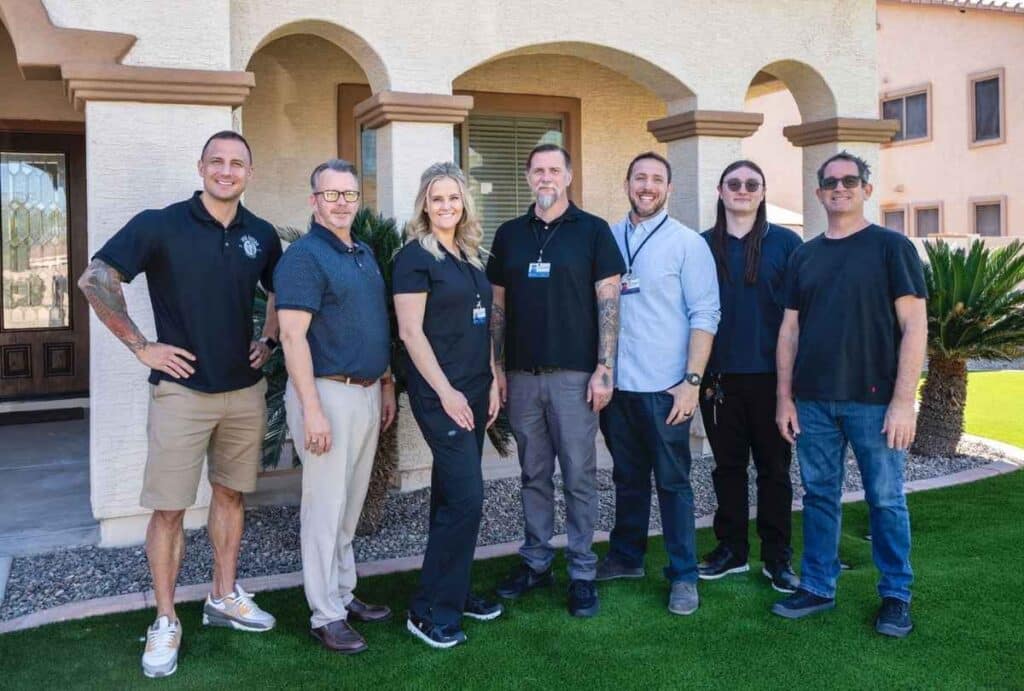
Into Action Recovery was built on a simple belief: men recover best in an environment grounded in honesty, accountability, and shared experience. Since 2012, the Into Action recovery model has helped thousands of men rebuild their lives through structured alcohol rehabilitation programs focused on long-term sobriety and personal stability. This legacy of recovered alcoholic men continued its North American expansion into Phoenix, AZ, in 2025, and the community of sober men continues to grow one day at a time.
Proven Alcohol Recovery Model Since 2012
Into Action began in Canada and has helped thousands of men reclaim their lives through structured alcohol rehabilitation programs focused on long-term sobriety.
A Men-Only Rehab Program Environment
Men recover alongside others who understand the challenges of alcoholism, creating honest conversations, accountability, and strong peer support.
Structured Programs To Quit Alcohol For Good
Our inpatient alcohol rehab combines clinical therapy, recovery meetings, and disciplined daily routines that support real progress and permanent sobriety.
- What Is Alcohol Withdrawal Like?
Alcohol Withdrawal Timeline: What Happens When Drinking Stops
One of the biggest challenges men face when stopping alcohol use is withdrawal. When drinking has been consistent or heavy for a long period, the body may react with physical and emotional symptoms once alcohol is removed. Into Action’s structured alcohol rehab program provides the stability and professional guidance needed to safely begin the recovery process.
6–12 Hours After The Last Drink
Early symptoms may begin within the first several hours after stopping alcohol. Men may experience anxiety, restlessness, headaches, nausea, sweating, or difficulty sleeping as the body begins adjusting to the absence of alcohol.
12-24 Hours
Symptoms may intensify as the nervous system reacts to the sudden absence of alcohol. Some individuals may experience increased heart rate, shaking, confusion, or heightened anxiety during this stage.
24–72 Hours
For some men, this period can bring more significant withdrawal symptoms such as severe agitation, hallucinations, or disorientation. This stage is one reason why a structured alcohol rehab environment is recommended to quit drinking.
3-7 Days
As the body begins to stabilize, withdrawal symptoms usually begin to improve. During this stage, men can focus more fully on therapy, recovery meetings, and rebuilding routines that support long-term sobriety.
Life In Recovery From Alcohol
Once the early withdrawal stage passes, treatment focuses on helping men rebuild their lives without alcohol. Therapy, peer accountability, and structured daily routines help create the foundation for long-term recovery.
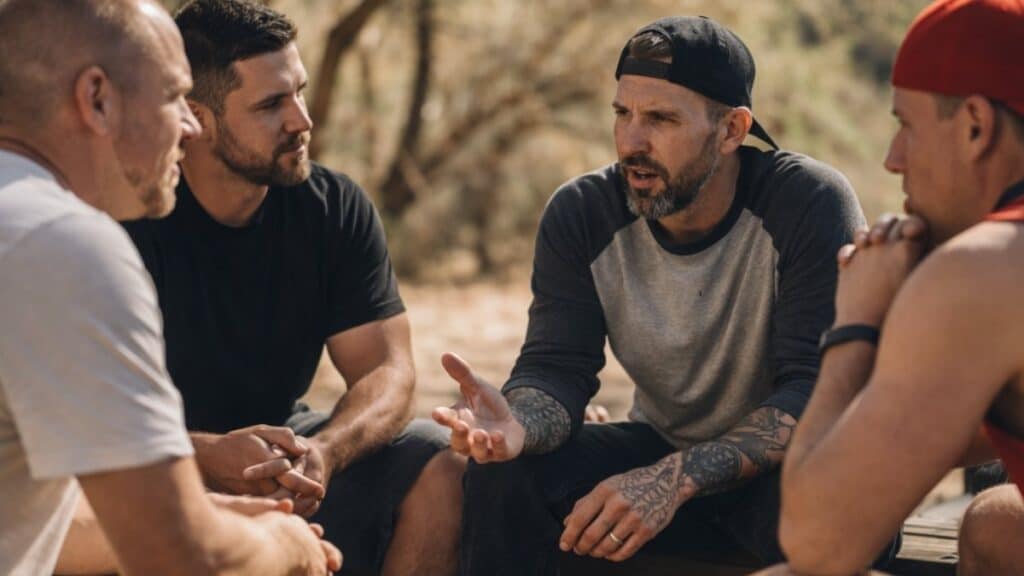
- How Our Alcohol Treatment Program Unleashes The Man Within
Amenities The Into Action Program Offers
A comfortable residential setting allows men to focus on recovery while building healthy routines through fitness, nutrition, structured activities, and a strong community environment.
World Class Gym & Strength Training
Nutrition & Meal Coaching
Recreational Activities For Men
Sleep & Recovery Optimization
Community Events & Brotherhood
Outdoor Relaxation Areas
Spacious & Comfortable Rooms
Meet the Team Behind Arizona’s Leading Men’s Rehab Program
Men in our program are supported by experienced professionals who understand the challenges men face in recovery. Our team takes a practical, results-driven approach that helps each man build a strong foundation and move confidently toward long-term sobriety.
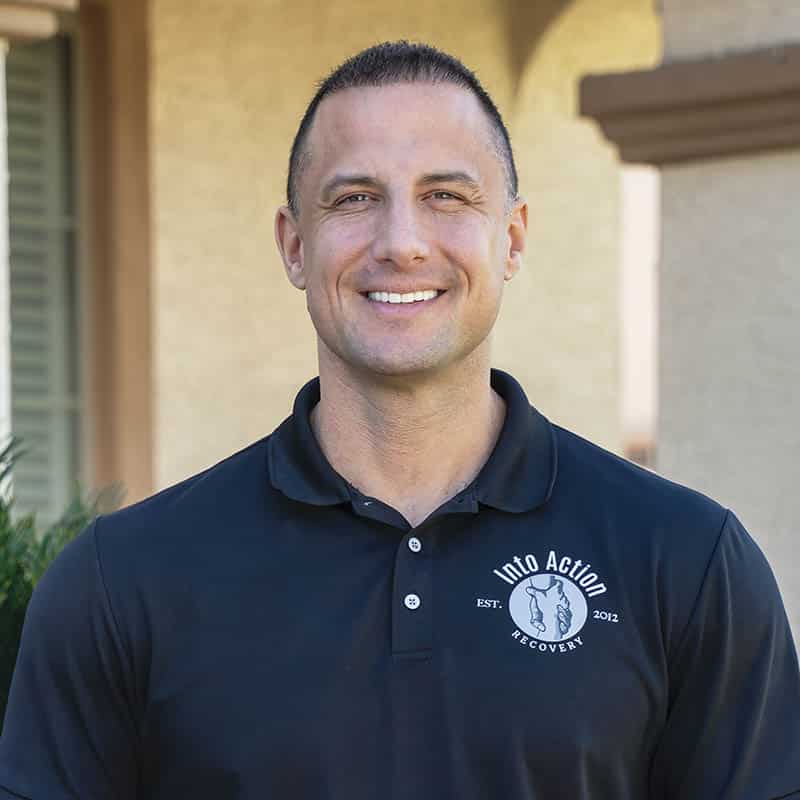
Chris Burwash
CEO & Founder
In recovery since 2011 himself, Chris has dedicated his life to helping other men heal and recover from addiction.

David Cummings
Program Director
David is in long term recovery and has a passion for helping men find the same freedom and purpose he has discovered.

Tara Harvell
Clinical Director
LPC specializing in trauma/addiction; EMDR trained. AZBBHE Clinical Supervisor & owner, overseeing 5 rehab centers.
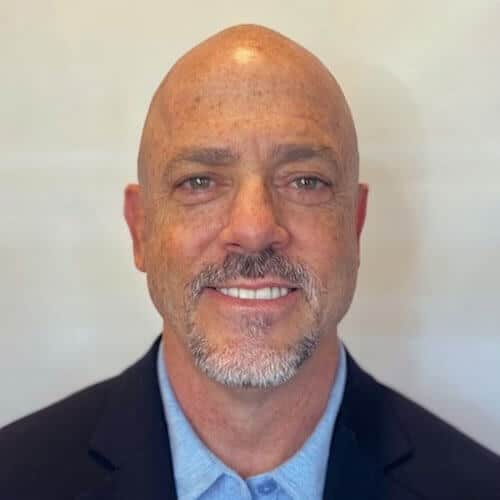
Paul Flatley
Addiction Medicine
Worked for Midwestern University, Maricopa Medical Center. and HonorHealth. Founded Direct2MD & Direct2Recovery.
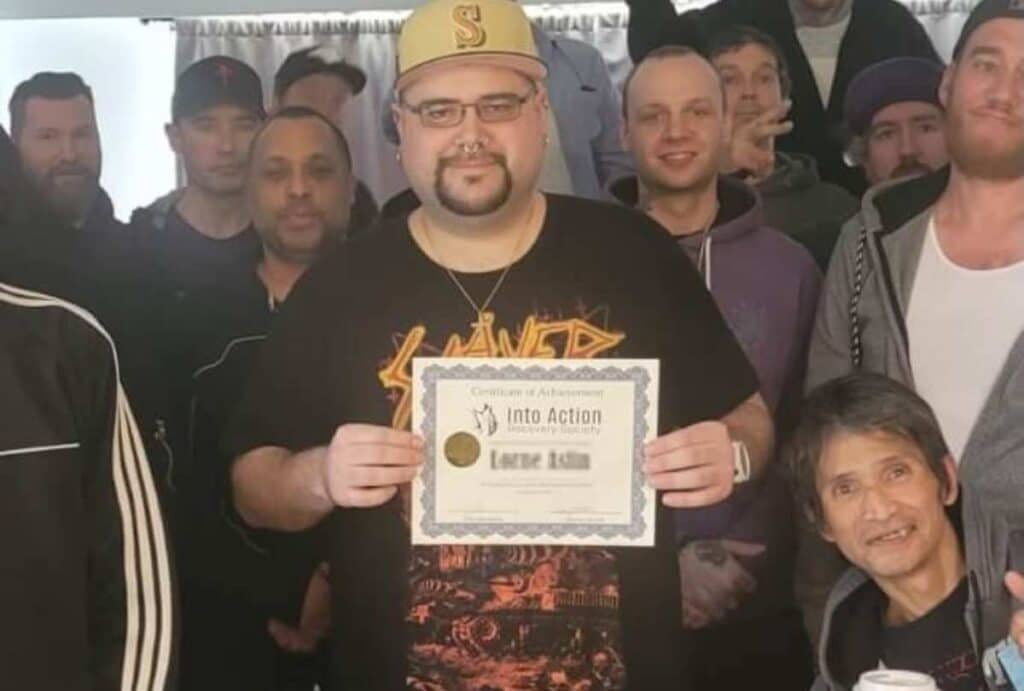
- Your Recovery Story Is Next
Real Men. Real Programs. Real Recovery From Alcohol.
Recovery is about more than stopping drinking or drug use. It’s about rebuilding stability, confidence, and purpose. At Into Action Recovery, men work through a structured program designed to help them regain control of their lives while building habits that support long-term sobriety.
Since 2012, thousands of men have come through the Into Action program and rebuilt their lives with the support of a strong recovery community that continues long after treatment ends.
- FAQs
Frequently Asked Questions About Alcohol Rehab
Not understanding alcohol recovery can feel overwhelming and confusing. Here are clear answers about treatment to make it easier to take that first step forward.
How much does alcohol rehab cost?
The cost of alcohol rehab typically ranges between $16,000 and $30,000 or more for a 30-day residential program, depending on the level of care, location, and clinical services provided. Longer programs such as 60- or 90-day treatment can cost more. Many private insurance plans cover a portion of alcohol rehab, and admissions teams can verify benefits and explain expected out-of-pocket costs before treatment begins.
How long is rehab for alcohol?
Most residential alcohol rehab programs last between 30 and 90 days, depending on a person’s history of drinking and recovery needs. Some individuals continue with extended care or outpatient support after residential treatment to strengthen long-term sobriety and relapse prevention.
How effective is rehab for alcoholism?
Alcohol rehab can be highly effective when individuals complete treatment and continue recovery support afterward. Studies show that 40–60% of people treated for substance and alcohol use disorders maintain long-term sobriety, similar to outcomes for other chronic conditions. Residential alcohol rehab programs provide therapy, peer support, and relapse prevention strategies that help individuals rebuild stability and maintain recovery.
How does alcohol rehab work?
Alcohol rehab helps individuals stop drinking and build the skills needed for long-term sobriety. Residential programs typically include therapy, recovery meetings, structured daily routines, and peer support. This environment allows individuals to step away from drinking triggers while learning healthier coping strategies and developing habits that support lasting recovery.
What is the difference between inpatient and outpatient alcohol rehabilitation?
Inpatient alcohol rehab requires individuals to live at the treatment center while participating in a structured daily recovery program. Outpatient treatment allows individuals to attend therapy sessions while continuing to live at home. Residential treatment often provides more stability and support during the early stages of sobriety.
Am I an alcoholic?
Someone may be struggling with alcoholism if drinking has become difficult to control or begins affecting health, relationships, work, or daily responsibilities. Signs often include repeated attempts to quit drinking, increasing tolerance, and continued alcohol use despite negative consequences. If you are unsure, speaking with a treatment professional can help determine whether alcohol rehab may be appropriate.