Marijuana addiction affects millions of Americans, yet unlike some commonly feared substances, many wonder if professional rehab for marijuana is truly necessary. While cannabis is often viewed as harmless, regular marijuana abuse can lead to significant consequences in your personal relationships, physical health, and overall well-being.
In this piece, we will explore residential treatment options, helping you understand whether inpatient marijuana addiction treatment is the right path forward. We’ll examine drug rehab approaches, costs, success rates, and how to identify when professional intervention becomes essential for long-term recovery.
Key Takeaways
- Marijuana use disorder affects 30% of cannabis users, requiring professional intervention for many.
- Residential programs provide immersive environments ideal for addressing severe addiction and co-occurring disorders.
- Treatment combines individual therapy, group therapy, family therapy sessions, and evidence-based approaches.
- Withdrawal symptoms, while uncomfortable, are safely managed with medical supervision in treatment settings.
- Long-term recovery requires ongoing support beyond initial residential treatment completion.
What is Marijuana Use Disorder?

Marijuana use disorder, known officially in the Diagnostic and Statistical Manual of Mental Disorders (DSM-5) as cannabis use disorder (CUD), affects approximately 3 in 10 people who use cannabis. This addiction treatment challenge involves both psychological dependence and physical withdrawal symptoms that many underestimate. The cannabis sativa plant contains THC, which alters brain chemistry over time, making it increasingly difficult to quit without professional support from an addiction treatment center.
Unlike casual use, marijuana addiction builds gradually. You might notice needing larger amounts to achieve the same effects, unsuccessful attempts to cut back, or continuing use despite negative consequences in your personal life. These behavioral symptoms signal that seeking treatment has become necessary rather than optional.
Signs of Marijuana Addiction
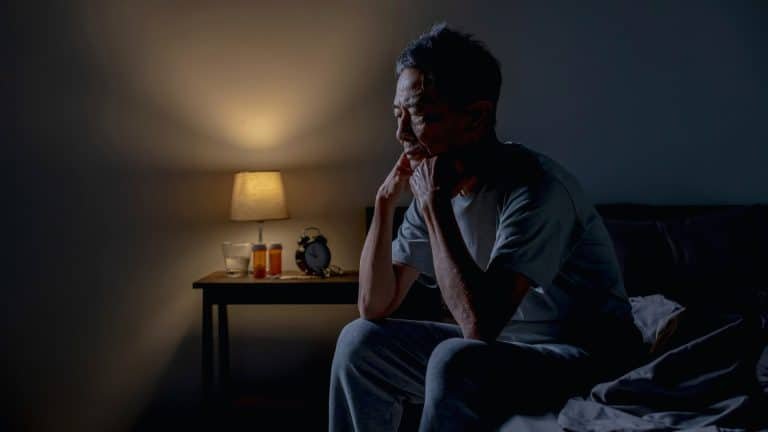
Recognizing when marijuana use crosses into addiction territory is crucial for overcoming future hurdles you will experience during drug abuse treatment. Physical indicators of addiction include upper respiratory infections from marijuana smoke, persistent cough, and disrupted sleep patterns. Mental health symptoms often emerge as anxiety, depression, or worsening of underlying mental health conditions that were previously managed.
Social and behavioral changes provide additional red flags:
- Are you isolating from family members, social groups, or anyone who expresses concern?
- Has your drug problem led to missed work, school, or declining performance?
- Are you orienting your day around the use of marijuana?
Many struggling with marijuana addiction notice their coping skills deteriorating, relying solely on cannabis to manage stress or emotions rather than developing healthier alternatives. This is why rehab for marijuana in a professional setting is ideal for building a solid foundation to start from.
Types of Marijuana Addiction Treatment
Rehab for marijuana abuse spans a spectrum of care levels that rise in medical or therapeutic intensity as you reach the bottom.
- Outpatient treatment allows you to maintain daily responsibilities while attending therapy sessions several times weekly. This option works well for those with strong support systems and less severe addiction patterns.
- Intensive outpatient programs (IOP) bridge the gap, offering structured programming without requiring residential stays.
- Partial hospitalization programs provide the most intensive outpatient care, typically involving six hours daily of group therapy, individual therapy, and education about substance use disorder recovery.
- Residential treatment programs offer immersive environments where you live at the facility, receiving 24/7 support. This inpatient treatment approach removes environmental triggers while teaching essential recovery skills through evidence-based treatment protocols.
Benefits of Inpatient Rehab for Marijuana
Residential marijuana rehab programs create separation from people, places, and situations that fuel substance abuse. This physical distance proves invaluable when marijuana regularly served as your primary coping mechanism. Treatment centers provide structured environments where the recovery process becomes your sole focus without external distractions.
Inpatient treatment addresses co-occurring disorders simultaneously. Many struggling with marijuana also experience mental illness like depression or anxiety, and cannabis use is correlated with developing schizophrenia and psychoses based on usage. Comprehensive addiction treatment centers employ integrated approaches, treating both conditions together rather than sequentially, which significantly improves long-term recovery outcomes.
What to Expect in Treatment
Your treatment process begins with a comprehensive assessment. Clinicians evaluate your drug abuse history, mental health symptoms, physical health status, and social circumstances. This information shapes personalized treatment plans addressing your unique needs rather than applying one-size-fits-all approaches.
Daily programming typically includes cognitive behavioral therapy, helping you identify and change thought patterns that sustain your drug problem. Family therapy sessions repair damaged relationships while educating your friend or family member about the nature of addiction. Group therapy provides peer support, connecting you with others who understand the recovery journey firsthand.
Addressing Co-Occurring Mental Health Issues and Marijuana Abuse at the Same Time

The relationship between marijuana abuse and mental health creates complex treatment challenges. Studies show that individuals with underlying mental health conditions are significantly more likely to develop substance use disorder. Your treatment center should screen for conditions like PTSD, bipolar disorder, or depression that often coexist with cannabis addiction.
Integrated rehab for marijuana approaches yield better outcomes than treating conditions separately. When your team addresses both your marijuana addiction recovery and mental illness simultaneously, they can identify how these conditions interact and reinforce each other, developing strategies that address root causes rather than just symptoms.
Duration and Cost Considerations for Addiction Treatment Centers
Marijuana rehab programs typically range from 30 to 90 days for residential care. Longer stays correlate with improved outcomes, though individual circumstances vary. Your addiction treatment needs, insurance coverage, and personal situation all influence the appropriate duration.
Frequently Asked Questions About Rehab for Marijuana
How long does rehab last for marijuana?
Marijuana rehab duration varies based on individual needs and program type. Outpatient programs typically last 8-16 weeks with several sessions weekly. Intensive outpatient programs run 12-20 weeks. Residential treatment usually lasts 30-90 days. Long-term programs may extend 6-12 months. Treatment length depends on addiction severity, co-occurring disorders, and personal progress toward recovery goals.
What is the most common treatment for marijuana?
The most common treatment for marijuana use disorder is cognitive-behavioral therapy (CBT), which helps identify triggers and develop coping strategies. Motivational enhancement therapy and contingency management are also frequently used. Most treatment occurs in outpatient settings, combining individual counseling, group therapy, and support groups. Treatment focuses on behavioral change since no FDA-approved medications exist specifically for marijuana addiction.
What are three mental illnesses that are linked to marijuana use?
Three mental illnesses linked to marijuana use include anxiety disorders, including panic disorder and social anxiety, depression and depressive disorders, which marijuana may worsen or trigger, and psychotic disorders, particularly schizophrenia, especially in individuals with a genetic predisposition. Heavy use during adolescence increases risks for all three conditions significantly.
Addiction Doesn’t Stop on Its Own, But You Can Stop It Here
Addiction destroys careers, relationships, and futures. Without structured treatment, the cycle deepens, and the consequences multiply. Into Action Recovery offers a proven men’s recovery program built on discipline, accountability, and brotherhood. For over a decade, thousands of men have reclaimed their lives through our evidence-based treatment and 12-step foundation. This is recovery that lasts. If you’re ready to rise again, contact Into Action Recovery today and take back control.