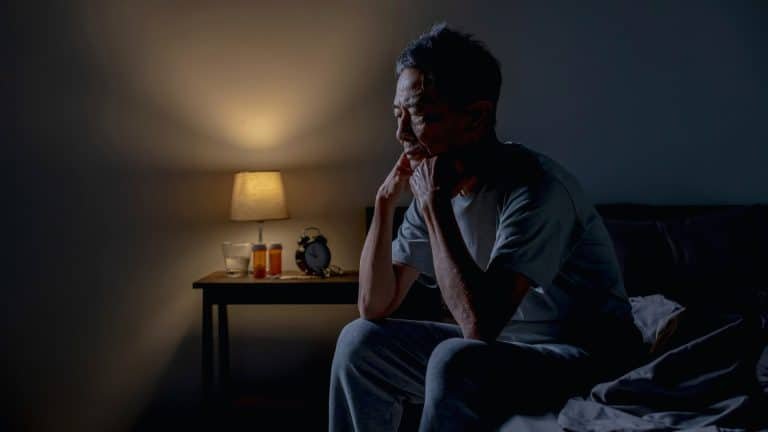

You were prescribed anxiety medication to help you sleep better or manage panic attacks. Your doctor said it was safe. A few weeks turned into months, then years. Now you can’t stop without feeling worse than before. This is the reality of benzodiazepine dependence, a growing crisis affecting those who never intended to develop an addiction. This article explores how prescription anxiety medication becomes addiction medicine, the warning signs of benzo addiction, and evidence-based paths to benzo addiction recovery for you and your loved ones.
Critical Information
- Benzodiazepine dependence can develop within 2-4 weeks of regular use, even at therapeutic doses
- Withdrawal symptoms include severe anxiety, seizures, and cognitive impairment that can last months
- Safe discontinuation requires medical supervision and a gradual benzodiazepine tapering schedule
- Addiction medicine specialists can provide comprehensive care addressing both physical and mental health
Benzodiazepines’ Use in Clinical Practice

Benzodiazepines are among the most commonly prescribed medications in the adult population, typically used for the treatment of anxiety and panic disorder. Those 65 and older use benzodiazepines at the highest rate, but more than 21 million Americans used benzodiazepines in 2023.
These sedative hypnotic drugs work by enhancing GABA activity in the central nervous system, producing an immediate anxiolytic effect. Physicians often prescribe them for acute anxiety, insomnia, and muscle tension. However, what makes them effective also makes them dangerous. The same benzodiazepine receptors that provide relief quickly adapt to the drug’s presence, requiring higher doses for the same therapeutic benefit. Tolerance and withdrawal can emerge within weeks, transforming short-term relief into long-term dependence.
How Benzodiazepine Addiction Develops
Benzodiazepine addiction doesn’t discriminate. You might follow your doctor’s instructions perfectly and still develop drug dependence. The mechanism involves neuroadaptation, where your brain chemistry fundamentally changes with continued exposure to psychoactive drugs.
Short-acting benzodiazepines like Xanax create rapid peaks and valleys, triggering drug-seeking behaviors between doses. Long-term benzodiazepine use rewires reward pathways similar to other drugs of abuse. Many patients increase doses without medical supervision when the original prescription stops working, a phenomenon called tolerance. Benzodiazepines become problematic even without recreational intent, especially in those with substance use disorders or co-occurring mental health conditions.
Recognizing Benzodiazepine Abuse Signs
Identifying benzo addiction signs early can prevent serious complications. Watch for taking medication more frequently than prescribed, requesting early refills, or visiting multiple doctors for benzodiazepine prescriptions.
Physical symptoms include:
- Slurred speech
- Coordination problems
- Memory gaps
Behavioral changes include:
- Isolating from family
- Losing interest in activities
- Experiencing suicidal ideation
Cognitive deterioration appears as confusion, poor judgment, and difficulty concentrating. The distinction between therapeutic use and benzodiazepine abuse often blurs gradually. Many patients don’t realize they’re dependent until attempting to stop. Your loved one might defend their use vigorously or hide the extent of their consumption, classic markers that benzodiazepine therapy has crossed into addiction territory.
Benzodiazepine Withdrawal Syndrome Explained

Stopping benzodiazepines abruptly after prolonged use triggers benzodiazepine withdrawal syndrome, a potentially dangerous condition requiring immediate medical attention. Acute withdrawal symptoms emerge within 1-4 days and include severe anxiety, panic attacks, tremors, sweating, and life-threatening seizures. The withdrawal reaction varies based on the specific medication’s half-life (time spent in the body). Short half-life benzodiazepines produce faster, more intense withdrawal phenomena.
Protracted withdrawal syndromes can persist for months, featuring ongoing anxiety symptoms, cognitive impairment, sensory disturbances, and depression. Elderly patients face particularly harsh withdrawal effects due to accumulated drug levels and slower metabolism. Cross tolerance with other sedative hypnotics complicates matters when patients substitute alcohol or sleeping pills.
Benzodiazepine Withdrawal Timeline
| Days 1-4: Acute Phase | Weeks 1-4: Early Recovery | Months 2-6: Protracted Phase | Months 6-12+: Long-term Recovery |
| Rebound anxiety, insomnia, tremors | Anxiety disorder symptoms resurface | Intermittent anxiety waves | Mental health stabilizes |
| Seizure risk peaks (especially days 2-3) | Cognitive difficulties persist | Cognitive function slowly returns | Risk factors for relapse remain |
| Physical symptoms intensify | Sleep disturbances continue | Gradual symptom improvement | Most physical symptoms resolve |
Creating a Safe Benzodiazepine Tapering Schedule
Benzodiazepine discontinuation must happen under medical supervision to prevent dangerous complications. A proper benzodiazepine tapering schedule reduces doses by 5-10% every 1-2 weeks, though some patients need slower reductions. Addiction medicine specialists often switch patients to longer-acting formulations before tapering to minimize withdrawal.
The final approach varies based on duration of use, daily dosage, and presence of co-occurring disorders. Therapeutic dosages that seemed harmless for years require months to be safely discontinued. Support from mental health professionals helps manage the psychological aspects as your brain readjusts.
Treatment Options for Benzodiazepine Dependence
Effective treatment addresses both the physical dependence and underlying anxiety disorders that led to benzodiazepine prescriptions originally. Many former patients report that while withdrawal was difficult, life without benzodiazepines brought clarity and emotional depth they’d forgotten existed.
- Comprehensive programs combine medical detoxification, cognitive behavioral therapy, and medication management for co-occurring mental health conditions.
- Integrated care produces better outcomes than treating drug and alcohol abuse in isolation. Residential treatment programs leverage structured environments to set you on the right path to recovery.
- Support groups provide community and accountability during the challenging recovery process.
Frequently Asked Questions About Benzodiazepine Dependence
What is benzodiazepine dependence?
Benzodiazepine dependence occurs when the body adapts to the drug’s presence, requiring it to function normally. Physical dependence develops within weeks of regular use, causing withdrawal symptoms when stopping or reducing dosage. This differs from addiction but often coexists. Dependence can occur even with prescribed therapeutic doses, making medically supervised discontinuation essential.
What does benzodiazepine addiction look like?
Addiction involves compulsive drug-seeking despite harmful consequences. Signs include doctor shopping for multiple prescriptions, using higher doses than prescribed, and prioritizing drug use over responsibilities. Behavioral changes include social withdrawal, secrecy about use, financial problems, and continued use despite relationship or work issues. Physical signs include drowsiness, confusion, and coordination problems.
What are the long-term side effects of benzodiazepines?
Long-term use causes persistent cognitive impairment, including memory deficits and reduced concentration. Physical effects include coordination problems and increased fall risk, especially in elderly users. Emotional blunting, depression, and paradoxical anxiety worsen over time. Dependence develops inevitably, making discontinuation difficult. Some studies suggest increased dementia risk, though research continues on this connection.
Into Action Recovery: Where Men Get Better and Stay Better
This is where discipline meets transformation. Into Action Recovery provides the structure, clinical excellence, and brotherhood that create lasting recovery. Since 2012, we’ve helped men reclaim their strength, rebuild their character, and return to life stronger than before. You’re capable of this. Reach out today and prove it to yourself.